
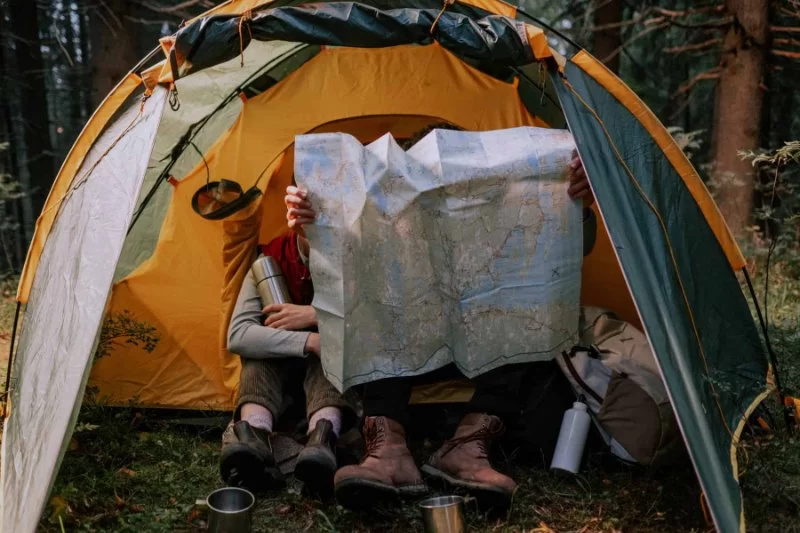
- Planning Your Camping Trip
- Camping Gear Recommendations
- Essential Camping Safety Tips
- Fun Camping Activities to Try
1. Planning Your Camping Trip
Planning your camping trip is the first and most exciting step toward enjoying the outdoors. I remember the first time I decided to camp, I felt overwhelmed with choices—where to go, what to bring, and how to prepare for different weather conditions. From personal experience, I can tell you that having a clear plan is key to a successful trip.
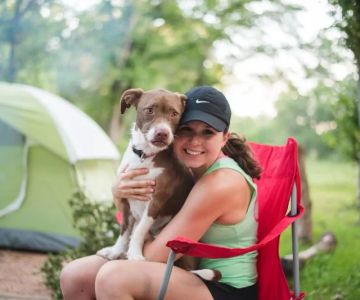
First, decide on the location. National parks, state parks, and even backcountry sites offer different experiences. I prefer national parks for their scenic beauty and well-maintained campsites, but if you’re seeking solitude, backcountry camping might be for you. Consider your dog if you're bringing one—there are many dog-friendly campsites available, and I’ve found that having a pet-friendly destination adds another layer of fun to the experience.
Next, check the weather forecast and any seasonal conditions that might affect your trip. I always check the forecast a few days before leaving to make sure I’m prepared for rain or extreme temperatures. For instance, during my trip to the Adirondacks last summer, I made sure to pack extra layers and waterproof gear, as the weather forecast showed a chance of thunderstorms.
2. Camping Gear Recommendations
Having the right camping gear is essential for staying comfortable and safe. Over the years, I’ve learned what works best, and I’m happy to share my top gear recommendations for a successful camping trip:
1. Tent: I’ve tried several types of tents over the years, and the one I recommend is a 3-season tent. These tents are lightweight yet durable, and they offer great protection from both rain and wind. A good example is the Big Agnes Copper Spur HV UL2, which is compact, easy to set up, and very comfortable for two people.
2. Sleeping Bag and Pad: A good sleeping bag and sleeping pad are essential for a restful night outdoors. I use a down sleeping bag for colder nights and a self-inflating sleeping pad for added comfort. Don’t skimp on this—after a long day of hiking, a comfortable night’s sleep makes a huge difference. I swear by the Therm-a-Rest NeoAir Xlite pad for its comfort and compactness.
3. Cooking Equipment: Whether you plan to cook over a campfire or use a portable stove, having the right cooking gear is crucial. I always pack a lightweight stove like the Jetboil MiniMo for quick meals. It boils water quickly, which is great for coffee or dehydrated meals.
4. Lighting: I never leave home without a headlamp and a lantern. My Black Diamond Spot 325 Headlamp is compact and bright enough for night-time tasks, while the Goal Zero Lighthouse 400 Lantern provides great lighting for cooking or relaxing around the campfire.
3. Essential Camping Safety Tips
Safety should always be your top priority while camping, especially if you're in the wilderness or unfamiliar areas. Here are some safety tips I’ve learned through experience:
1. Be Prepared for Wildlife: I’ve had my fair share of encounters with wildlife while camping. To keep yourself and your food safe, store all food items securely and away from your tent. I always use a bear-proof container when camping in areas with bears, and I never leave food unattended.
2. Stay Hydrated: Dehydration can happen quickly in the outdoors, especially on hot days. I always carry a large water reservoir or water filter when hiking and camping. The MSR Guardian Water Filter is a great tool for ensuring access to clean water from natural sources. I also pack plenty of water bottles to make sure I stay hydrated throughout the day.
3. First Aid Kit: Always have a well-stocked first aid kit with you. Mine includes bandages, antiseptic wipes, blister pads, and pain relievers. I’ve used my first aid kit to treat minor cuts and sprains during my trips. It’s important to know basic first aid before heading into the wilderness, just in case something unexpected happens.
4. Fun Camping Activities to Try
Camping isn’t just about setting up camp—it’s about enjoying the outdoors with friends, family, or even by yourself. Here are a few fun activities to make your camping trip more enjoyable:
1. Hiking: One of my favorite activities is hiking. I’ve found that exploring a new trail is a great way to enjoy nature, get some exercise, and spend quality time with friends. Some of the most breathtaking views I’ve experienced have been from mountain summits after a rewarding hike.
2. Stargazing: The night skies in the wilderness are incredible, and stargazing is one of the most peaceful activities you can do. Bring a telescope or just lie back on a blanket and watch the stars. I’ve had unforgettable nights under the stars at campsites in national parks, far from city lights.
3. Campfire Cooking and S’mores: No camping trip is complete without a campfire. Cooking over an open flame is one of the most enjoyable parts of camping. I love roasting marshmallows and making s’mores with my camping buddies. Plus, sharing stories and laughter around the campfire creates lasting memories.
If you’re planning your next camping trip, these expert tips and gear recommendations will help ensure you’re fully prepared. Camping offers an amazing opportunity to connect with nature, and with the right planning, you’ll have an unforgettable experience. For more advice, gear suggestions, and to book your next adventure, be sure to check out【Camping Rural】!
 L & D RV Park4.0 (183 reviews)
 Sherwood Village Property Owners Association3.0 (77 reviews)
 Shady Grove Campground4.0 (70 reviews)
 Cottonwood RV Park5.0 (4 reviews)
 Swan Bay Estates & Marina4.0 (35 reviews)
 Hall's R. V. Park4.0 (18 reviews)
 10 Must-Visit Campgrounds in the Midwest for Your Next Outdoor Adventure
 Romantic Camping Spots for Couples: Perfect Getaways in Nature
 Ultimate Guide to Off the Grid Camping in Remote Locations
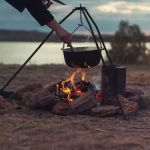 How to Cook Over a Campfire Safely for an Enjoyable Outdoor Experience
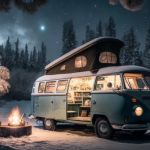 Vanlife in Winter: My Personal Experience Living on the Road
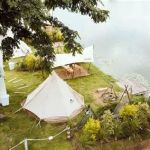 From City to Camp: My Journey to Nature and What I Learned