- why-camping-in-the-us-is-a-great-choice
- how-to-prepare-for-your-first-camping-trip
- choosing-the-right-camping-gear
- camping-etiquette-and-safety-tips
- top-camping-destinations-in-the-us
- real-life-camping-stories-and-tips
1. Why Camping in the US is a Great Choice
If you’ve ever considered going camping in the United States, you're in for an adventure that combines nature, peace, and exploration. Over the years, I've come to appreciate the beauty of our national parks, the serenity of remote campsites, and the countless opportunities to connect with the great outdoors. Whether you're looking to escape from the hustle and bustle of city life or you’re ready to challenge yourself with outdoor activities, camping in the US offers something for everyone.
The US is home to some of the world’s most stunning natural landscapes, from the towering peaks of the Rocky Mountains to the sandy shores of Florida. With such a variety of environments, camping in the US provides an incredible opportunity to witness a wide range of ecosystems, wildlife, and natural wonders—all while disconnecting from technology and reconnecting with nature. Plus, camping is one of the most affordable ways to enjoy a vacation without spending a fortune.
1.1 The Allure of National Parks
As a seasoned camper, I’ve explored many of the country’s national parks, each offering a unique experience. Some parks, like Yellowstone and Yosemite, are famous for their dramatic landscapes, including geysers, waterfalls, and ancient forests. Others, such as the Great Smoky Mountains and the Grand Canyon, provide an opportunity to explore dense woodlands, observe wildlife, and hike through jaw-dropping vistas. No matter your preferences, national parks across the country provide some of the best camping experiences for nature lovers and adventure seekers alike.
1.2 Affordable Outdoor Experiences
One of the main reasons I love camping is its affordability. While some forms of travel—such as flying to a foreign destination or staying in luxury hotels—can be expensive, camping allows you to experience the beauty of the outdoors without breaking the bank. Campgrounds are often much cheaper than traditional accommodations, and the cost of camping gear is a one-time investment that can be used on multiple trips. This affordability makes camping a great option for families, solo travelers, and anyone who wants to explore the great outdoors on a budget.
2. How to Prepare for Your First Camping Trip
If you're a first-time camper, the idea of preparing for your first camping trip might seem daunting. Don’t worry—I’ve been there, and I can assure you that the experience is well worth the effort. Here are some tips to ensure you’re ready for your first adventure in the wilderness:
2.1 Start Small: Choose a Beginner-Friendly Campground
As a newbie to camping, it’s best to start small. Rather than heading to the backcountry for your first experience, opt for a beginner-friendly campground that offers amenities like restrooms, running water, and easy access to trails. National parks and state parks often have campgrounds suitable for beginners, with basic facilities and the opportunity to explore nature without the challenges of remote camping. This way, you can focus on getting used to the experience of camping without worrying too much about the logistics.
2.2 Make a Packing List
One of the first things I learned was the importance of being well-prepared. Before heading out, create a comprehensive packing list that includes all the essentials for your trip. At a minimum, make sure you bring a tent, sleeping bag, sleeping pad, cooking supplies, food, water, and appropriate clothing. I always recommend packing a first-aid kit and a flashlight, just in case. Make sure to double-check your list to avoid forgetting anything critical, like your tent stakes or a rain jacket.
2.3 Know the Weather and Terrain
The weather can change quickly, especially in certain regions. For example, the desert can be extremely hot during the day and cold at night, while coastal areas can be humid and rainy. Before leaving for your trip, check the weather forecast for your destination and pack accordingly. I’ve learned the hard way that not dressing for the weather can make camping uncomfortable, especially when hiking or spending time outdoors for long periods. Be sure to bring layers, a good waterproof jacket, and durable footwear suitable for hiking in different environments.
3. Choosing the Right Camping Gear
Choosing the right camping gear is crucial for a successful trip. You don’t need the most expensive equipment, but it’s important to have reliable gear that will keep you safe and comfortable. Here’s a breakdown of the essential items you’ll need:
3.1 Tent and Sleeping Gear
Your tent is your home base for the trip, so choosing a good quality tent that suits your needs is essential. I recommend selecting a tent that’s appropriate for the season and weather conditions. For most beginners, a three-season tent should suffice. As for sleeping gear, a high-quality sleeping bag is a must, especially one rated for the temperature you expect. Don’t forget a sleeping pad or inflatable mattress for added comfort—there’s nothing worse than waking up with a sore back after sleeping on the hard ground!
3.2 Cooking Gear and Food
Cooking in the wilderness can be a fun and rewarding experience, but having the right gear makes all the difference. A portable stove or campfire cooking setup is essential for preparing meals, and don’t forget the necessary cookware like pots, pans, and utensils. When it comes to food, I recommend bringing lightweight, non-perishable options like freeze-dried meals, energy bars, and canned goods. Remember, it’s always better to pack more food than less—especially for longer trips!
3.3 Clothing and Footwear
When it comes to clothing, I always stress the importance of layering. The weather can change quickly, and layers will keep you prepared for any situation. Moisture-wicking base layers, insulating mid-layers, and waterproof outer layers are a good combination for staying comfortable. As for footwear, make sure to wear sturdy, waterproof hiking boots or shoes to support your feet on rough terrain.
4. Camping Etiquette and Safety Tips
Camping is all about enjoying nature, but it’s also essential to follow the rules and practice good camping etiquette. Here are some safety and etiquette tips to ensure that your trip is enjoyable and safe:
4.1 Leave No Trace
One of the most important principles I’ve learned as a camper is the “Leave No Trace” philosophy. This means cleaning up after yourself, disposing of waste properly, and minimizing your environmental impact. When you’re hiking or camping, avoid disturbing wildlife, and always stay on designated trails to protect the natural habitat.
4.2 Follow Fire Safety Rules
Fire safety is another crucial aspect of camping, especially in areas prone to wildfires. Always ensure that your campfire is fully extinguished before leaving your campsite. I’ve personally seen the damage caused by an unattended fire, and I can’t stress enough how important it is to be vigilant. If campfires aren’t allowed, make sure to bring a portable stove for cooking.
4.3 Stay Hydrated and Protect Yourself from the Elements
Hydration is key when camping, especially if you’re hiking or engaging in physical activities. I’ve always made sure to carry enough water and bring purification tablets or a filter in case I need to refill from nearby streams or lakes. Additionally, protecting yourself from the sun and insects is a must. A wide-brimmed hat, sunscreen, and insect repellent will help you stay comfortable during your trip.
5. Top Camping Destinations in the US
There are countless camping destinations across the US, each offering unique landscapes and experiences. Some of my favorite places to camp include:
5.1 Yellowstone National Park
Yellowstone is a must-visit for any camper. With its geothermal wonders, abundant wildlife, and stunning views, it’s a paradise for nature lovers. The park offers a variety of campgrounds, from easy-to-access sites to more remote locations for those seeking solitude.
5.2 Grand Canyon National Park
The Grand Canyon offers incredible hiking and camping opportunities, with dramatic views that will leave you breathless. The park has both developed and backcountry campsites, depending on how adventurous you’re feeling. Don’t forget to bring plenty of water and sunscreen for this hot, dry desert environment!
5.3 Great Smoky Mountains National Park
For those who prefer lush forests and misty mountain views, the Great Smoky Mountains is an excellent destination. It’s perfect for beginner campers, with accessible campgrounds and a variety of trails to explore. Plus, the park is known for its biodiversity, so keep your eyes peeled for wildlife!
6. Real-Life Camping Stories and Tips
I’ve had my fair share of camping experiences, both good and bad. One of the most memorable was a trip to Yosemite National Park, where I accidentally packed my sleeping bag in the wrong compartment and ended up with a very uncomfortable night in the cold. I learned the hard way to double-check my packing list before setting out, but the trip was still an unforgettable adventure.
If you're looking for expert advice on the best gear or places to camp, I recommend checking out Camping Rural, which offers recommendations for gear, locations, and expert tips to help make your camping trip a success. With the right planning and a bit of know-how, you’ll be well on your way to enjoying the best of the great outdoors!
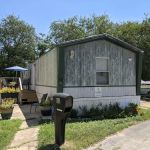
 Sheridan Estates Mobile Home Community4.0 (15 reviews)
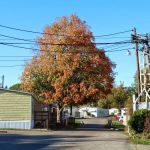
 Leon Creek Estates3.0 (26 reviews)
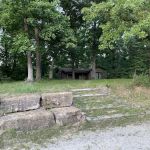
 Hazelhurst Mobile Home Park3.0 (57 reviews)
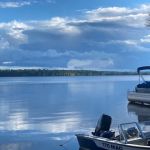
 South Camp Old Health Lodge0.0 (0 reviews)
 Enchanted Inn4.0 (15 reviews)
 Popp's Mobile Home Park3.0 (89 reviews)
 10 Must-Visit Campgrounds in the Midwest for Your Next Outdoor Adventure
 Romantic Camping Spots for Couples: Perfect Getaways in Nature
 Ultimate Guide to Off the Grid Camping in Remote Locations
 How to Cook Over a Campfire Safely for an Enjoyable Outdoor Experience
 Vanlife in Winter: My Personal Experience Living on the Road
 From City to Camp: My Journey to Nature and What I Learned