- 1-Understanding-Your-Camping-Needs
- 2-Evaluating-Location-and-Accessibility
- 3-Considering-Campsite-Safety-and-Environment
- 4-Checking-Amenities-and-Facilities
- 5-Weather-and-Seasonal-Factors
- 6-Personal-Experience-and-Recommendations
1. Understanding Your Camping Needs
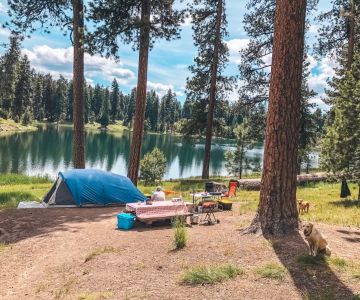
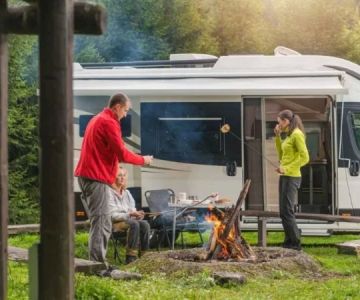
Choosing the right campsite starts with a clear understanding of what you want from your camping experience. Are you looking for a remote wilderness escape or a family-friendly site with easy access and facilities? Consider the activities you plan to enjoy, the group size, and the type of camping equipment you will bring. For instance, tent camping might require a flat, clear ground, while RV camping needs spacious sites with hookups.
Reflecting on these needs helps narrow down suitable campsites and ensures your trip is enjoyable and stress-free. Sometimes, prioritizing convenience over solitude or vice versa can make all the difference.
2. Evaluating Location and Accessibility
The campsite’s location plays a pivotal role in your camping experience. Proximity to natural attractions like lakes, hiking trails, or scenic views can greatly enhance your adventure. However, accessibility is equally important. A campsite too far off the beaten path might pose logistical challenges, especially for families or beginners.
Assess the travel distance, road conditions, and availability of transportation. Some prefer campsites close to urban centers for emergency access, while others seek isolation for peace and quiet. Balancing these factors based on your preference is crucial when you consider how to choose the right campsite.
3. Considering Campsite Safety and Environment
Safety should never be overlooked. When selecting a campsite, research potential hazards such as wildlife presence, flood risks, or unstable terrain. It’s advisable to check for campsites that adhere to safety standards and provide clear guidelines on wildlife interaction and fire safety.
Environmental factors like sun exposure, wind protection, and proximity to water sources influence comfort and health. A campsite near a river may offer water access but can also increase insect activity or flood risk. Understanding the environment ensures a safer and more pleasant stay.
4. Checking Amenities and Facilities
Amenities can vary widely between campsites. Some may offer running water, toilets, fire pits, and picnic tables, while others provide a more primitive experience. Determine what level of comfort you require. Families with children or novice campers often benefit from facilities that make the experience easier and safer.
Availability of nearby stores or emergency services also matters, particularly on longer trips. Knowing these details ahead of time is an essential part of learning how to choose the right campsite that fits your needs and comfort level.
5. Weather and Seasonal Factors
Weather greatly affects camping enjoyment and safety. Some campsites may only be accessible during certain seasons or might be uncomfortable during extreme weather. Researching the typical weather conditions during your intended visit time helps avoid unpleasant surprises.
Seasonal changes can impact wildlife activity, trail conditions, and even campsite availability. Planning with these factors in mind allows you to pick a campsite that aligns with your desired experience and preparedness.
6. Personal Experience and Recommendations
One of the best ways to learn how to choose the right campsite is through personal stories and recommendations. Listening to fellow campers’ experiences provides practical insights that official descriptions may overlook. For example, some may highlight a campsite’s stunning sunrise view or warn about tricky terrain.
Additionally, exploring user reviews and seeking advice from trusted camping communities can uncover hidden gems and avoid common pitfalls. Real-life feedback bridges the gap between expectations and reality, enhancing your camping planning.
For more personalized recommendations and the best camping gear, visit Camping Rural to prepare for your next unforgettable outdoor adventure.
 Twin Oaks4.0 (229 reviews)
 Johnson Ranch RV Resort0.0 (0 reviews)
 Kawishiwi Lake Rustic Campground4.0 (25 reviews)
 Agate Campground4.0 (99 reviews)
 Almanor Ranger District4.0 (17 reviews)
 West Eagle Group Campground4.0 (8 reviews)
 10 Must-Visit Campgrounds in the Midwest for Your Next Outdoor Adventure
 Romantic Camping Spots for Couples: Perfect Getaways in Nature
 Ultimate Guide to Off the Grid Camping in Remote Locations
 How to Cook Over a Campfire Safely for an Enjoyable Outdoor Experience
 Vanlife in Winter: My Personal Experience Living on the Road
 From City to Camp: My Journey to Nature and What I Learned