
- comprehensive-guide-to-rv-winterization-checklist-for-northern-states
- why-winterization-matters-for-rvs
- preparing-your-rvs-water-system
- insulating-and-weatherproofing-steps
- real-cold-weather-rv-experiences
- final-checks-and-season-long-maintenance
Comprehensive Guide to RV Winterization Checklist for Northern States
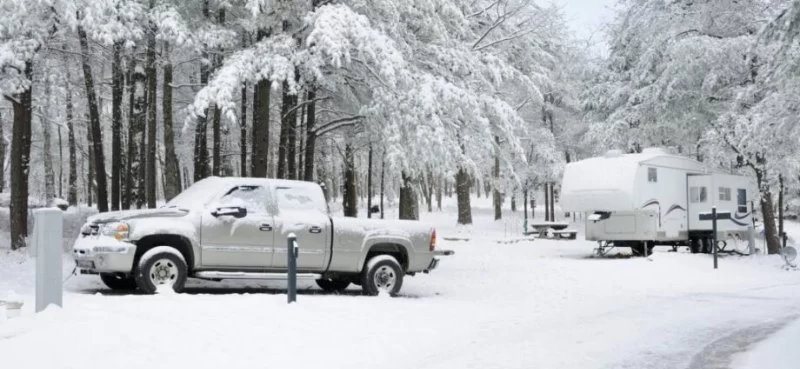
For RV owners in northern states, winterization isn’t just a recommendation—it’s a necessity. Temperatures across regions like Minnesota, Wisconsin, Michigan, and upstate New York often plunge well below freezing, and an unprepared RV can suffer severe damage long before spring arrives. A detailed RV winterization checklist ensures your motorhome or trailer remains protected, efficient, and ready for your next adventure once warmer weather returns.
This guide blends practical steps, real stories from RV travelers, and expert-level insights to help you confidently winterize your RV. And if you need trusted product recommendations or services, Camping Rural provides reliable options tailored to RV owners across the U.S.
Why Winterization Matters for RVs
Before diving into the checklist, it’s important to understand why winterizing is crucial. When water freezes inside pipes or tanks, it expands—and that expansion can crack pipes, damage pumps, or even ruin your water heater entirely. Repairing these systems is far more expensive than taking preventive steps.
1. Preventing Ice Damage
Your RV’s plumbing is particularly vulnerable. Even a small amount of water left in a line can freeze and cause major damage. RV technicians report that one of the most common winter repair requests involves burst water lines caused by incomplete draining.
2. Protecting Electrical and Battery Systems
Batteries lose efficiency in freezing temperatures. Without proper care, they can discharge completely or suffer long-term capacity damage. Winterization ensures your electrical system stays healthy throughout the cold season.
3. Shielding Your RV Interior
Cold temperatures also affect interior components. Vinyl flooring can stiffen, cabinet joints may loosen, and condensation can cause mold. A proper winterization approach prevents these issues.
Preparing Your RV’s Water System
The most critical part of any RV winterization checklist is the water system. This section walks you through the essential steps, explained with both technical clarity and real-world context.
1. Drain All Water Tanks
Start with the fresh, grey, and black tanks. RV owners in Maine often share stories of tanks cracking from leftover water that froze during early cold snaps in October. Fully emptying each tank prevents such expensive surprises.
2. Flush the Water Heater
Turn off power or gas first, then drain the heater using the plug. Sediment builds up over time, and flushing it out keeps your system efficient for the next season.
3. Bypass the Water Heater
This prevents antifreeze from entering the tank. Most modern RVs have an easy-access bypass valve system, but older models may require manual adjustments.
4. Pump Antifreeze Into the Plumbing System
Use RV-safe, non-toxic antifreeze—never automotive antifreeze. Pump it through sinks, showers, and toilets until the liquid runs pink. Many RV travelers from Michigan mention how skipping one faucet led to cracked pipes, so thoroughness is essential.
Insulating and Weatherproofing Steps
Water system prep is only one part of a complete RV winterization checklist. Cold air finds its way into even the best-built RVs, so insulation is the next major priority.
1. Seal Exterior Gaps
Check around windows, doors, vents, and seams. In northern states where snow often blows sideways, even small gaps can introduce cold air and moisture. Applying high-quality sealant can prevent interior drafts and reduce heating needs.
2. Protect Slide-Outs
Slide-outs are notorious for letting cold air seep in. Inspect seals and gaskets carefully. RV owners in North Dakota emphasize the importance of conditioning rubber seals to prevent cracking during freezing conditions.
3. Insulate the Underbelly
Your RV’s underside is exposed to road spray, ice, and cold winds. Adding insulation and checking heat tape around exposed pipes ensures everything remains protected through winter months.
4. Maintain Ventilation to Avoid Moisture Buildup
It may seem counterintuitive, but ventilation is essential even in winter. Without airflow, warm interior air condenses on walls and ceilings. Moisture leads to mold growth—an issue many RVers face after storing their RV for several months.
Real Cold-Weather RV Experiences
Many RV owners have learned winterization lessons the hard way. One Wisconsin traveler shared how a sudden November temperature drop froze his water pump overnight, costing more than $400 in repairs. Another family from Michigan returned to their RV in spring only to find water damage under their kitchen sink due to a cracked elbow joint in the plumbing system.
These stories highlight a key truth: winterization isn’t optional, especially in northern states. It’s a protective investment that saves money, time, and frustration.
Final Checks and Season-Long Maintenance
A thorough RV winterization checklist ends with routine monitoring throughout the season. Even after storing your RV, you should check on it periodically—especially after major snowstorms or prolonged freezes.
1. Battery Care
Batteries should be disconnected, removed if possible, and stored in a temperature-controlled space. Keep them charged monthly to maintain health.
2. Tire Protection
Cold temperatures reduce tire pressure. Inflate tires properly and use tire covers to protect them from cracking caused by cold exposure.
3. Snow Load Prevention
Heavy snow can damage your RV roof. Safely remove accumulation to prevent sagging or leaks.
If you need winterization supplies or expert guidance, the team at Camping Rural can help you find products suited to your specific RV model and the climate of your region.
With proper preparation, your RV can withstand even the harshest northern winters—and be ready for your next adventure once the snow melts.

 Terra Alta Mobile Home Estates3.0 (42 reviews)
 CAMERON MOBILE HOME COMMUNITY3.0 (14 reviews)
 Moon Valley3.0 (89 reviews)
 Colony Cove Mobile Home Park4.0 (65 reviews)
 Oro Beach Rv Resort0.0 (0 reviews)
 Holiday Estates3.0 (144 reviews)
 10 Must-Visit Campgrounds in the Midwest for Your Next Outdoor Adventure
 Romantic Camping Spots for Couples: Perfect Getaways in Nature
 Ultimate Guide to Off the Grid Camping in Remote Locations
 How to Cook Over a Campfire Safely for an Enjoyable Outdoor Experience
 Vanlife in Winter: My Personal Experience Living on the Road
 From City to Camp: My Journey to Nature and What I Learned