
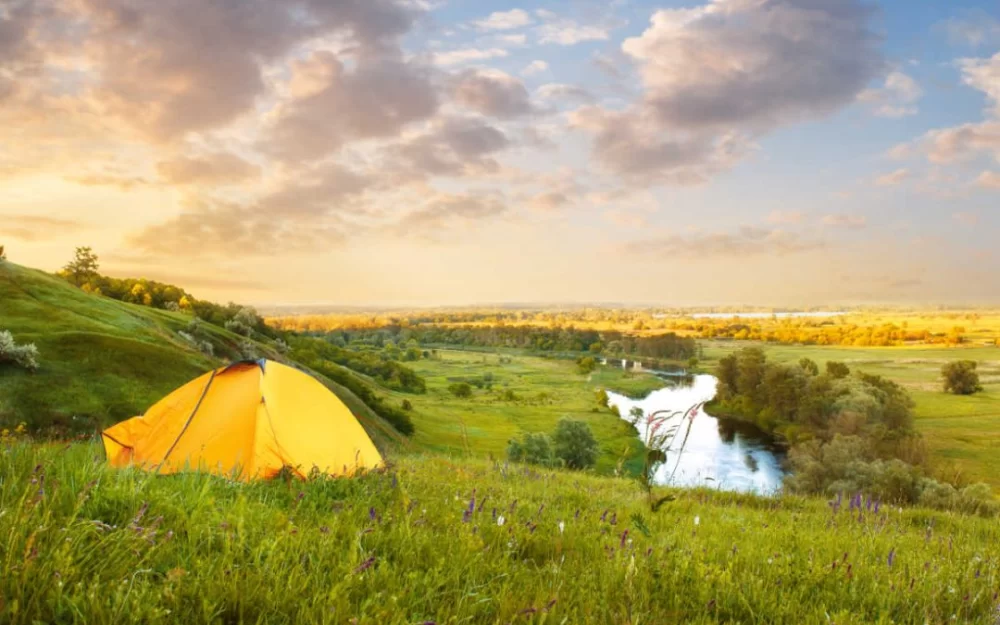
- Preparing for Minimalist Camping
- Choosing Essential Gear Smartly
- Packing Light with Purpose
- Setting Up Camp Efficiently
- Real-Life Experience and Tips
- Where to Find Best Minimalist Camping Gear
1. Preparing for Minimalist Camping
Camping with limited gear requires thoughtful preparation. Before you pack, understanding your destination, expected weather conditions, and the duration of your trip is crucial. Minimalist camping isn’t about sacrificing comfort but optimizing your setup for simplicity and mobility. Start by planning your itinerary carefully, considering potential risks and available resources along the trail. This preparation phase ensures you pack only what’s necessary, reducing both weight and bulk.
Understanding Your Needs and Environment
When learning how to camp with limited gear, knowing the environment is half the battle. For example, if you’re camping in a temperate forest, lightweight but insulated clothing and a compact tent will serve you well. In contrast, desert camping demands protection from sun exposure and hydration essentials. Tailoring your gear to the environment avoids unnecessary items and improves your overall experience.
Setting Priorities
Prioritize multi-functional items that serve more than one purpose. A tarp can act as a shelter, ground cover, or rainfly. A compact stove can boil water and cook meals efficiently. This mindset is key to reducing your load without compromising safety or convenience.
2. Choosing Essential Gear Smartly
Essential gear selection is the backbone of successful minimalist camping. Focus on quality over quantity—invest in durable, lightweight products that last longer and perform better in the field.
Sleeping Systems
A lightweight sleeping bag or quilt paired with a compact sleeping pad is ideal. Avoid bulky or heavy models. Some campers prefer hammocks with mosquito nets, which can reduce gear weight further while providing comfort and ventilation. Knowing how to camp with limited gear means making smart choices about where and how you sleep.
Shelter Options
Tents are a staple, but ultralight options like bivy sacks, tarps, or lightweight tents designed for one or two people can significantly reduce your load. Choosing the right shelter depends on your environment and personal comfort preferences.
Cooking and Hydration
Carry a small, reliable stove or opt for cold meals if fire regulations apply. Collapsible water containers and water purification methods such as filters or tablets are indispensable. Avoid carrying excessive fuel or bulky cookware. Remember, even the smallest savings in weight count when camping with limited gear.
3. Packing Light with Purpose
Efficient packing is an art when camping with minimal equipment. Organize your gear by necessity and frequency of use. Use compression sacks and lightweight backpacks designed for minimal gear loads.
Clothing
Layering is your best strategy—pack moisture-wicking base layers, an insulating mid-layer, and a waterproof outer shell. Avoid cotton and heavy fabrics. Consider quick-dry, multipurpose clothing items that serve well both on and off the trail.
Tools and Accessories
A quality multitool, headlamp, lightweight rope, and a compact first aid kit should be part of your essentials. Avoid carrying extras “just in case”; instead, assess your actual needs based on your destination and trip length.
4. Setting Up Camp Efficiently
With limited gear, campsite selection and setup become even more important. Choose a location with natural shelter, such as tree cover or a rocky outcrop, to reduce the need for extensive tent rigging.
Maximizing Shelter Use
Learn to pitch your shelter quickly and securely. For example, using a tarp with versatile tie-out points can allow multiple configurations based on weather. Efficient setup saves time and energy, critical when your gear is minimal.
Leave No Trace Principles
Minimalist camping aligns naturally with Leave No Trace ethics. Carry out all trash, minimize campfire impact, and respect wildlife. This approach preserves natural spaces for future adventurers and demonstrates responsible camping.
5. Real-Life Experience and Tips
Consider the story of Jamie, an avid backpacker who completed a week-long trek in the Pacific Northwest carrying only a 12-pound pack. Jamie’s secret was combining versatile gear with smart planning and adapting daily to weather conditions. She shared that learning to “camp with limited gear” helped her connect more deeply with nature and challenge her comfort zone without risking safety.
Another example comes from online communities where minimalist campers exchange tips on ultralight tents and DIY gear hacks. These real-life insights are invaluable for anyone wanting to embrace simplicity without sacrificing preparedness.
Expert Advice
Experts recommend testing your gear setup in short trips before tackling longer excursions. This allows you to identify unnecessary items and adjust for comfort. It’s also wise to practice skills like fire-starting and water purification to ensure confidence in the field.
6. Where to Find Best Minimalist Camping Gear
Finding the right gear can make or break your minimalist camping experience. Camping Rural is a great resource for those seeking high-quality, lightweight camping products. Whether you need ultralight tents, compact cooking kits, or durable clothing, Camping Rural offers a curated selection that caters to minimalist outdoor enthusiasts.
Besides gear, Camping Rural also connects you to expert advice and local services, helping you plan your next adventure with confidence and ease. If you’re new to camping with limited gear, exploring their recommendations can be a game-changer.
 Lakeshore Estates Mobile Home3.0 (207 reviews)
 Black River Hideaway Campground4.0 (64 reviews)
 Apache Passtures4.0 (52 reviews)
 Dallas Shady Oaks RV Park & Tiny Home Community4.0 (118 reviews)
 College of Wilderness Knowledge-Birch Bend Camp5.0 (8 reviews)
 Blue Sky RV Resort4.0 (14 reviews)
 10 Must-Visit Campgrounds in the Midwest for Your Next Outdoor Adventure
 Romantic Camping Spots for Couples: Perfect Getaways in Nature
 Ultimate Guide to Off the Grid Camping in Remote Locations
 How to Cook Over a Campfire Safely for an Enjoyable Outdoor Experience
 Vanlife in Winter: My Personal Experience Living on the Road
 From City to Camp: My Journey to Nature and What I Learned