
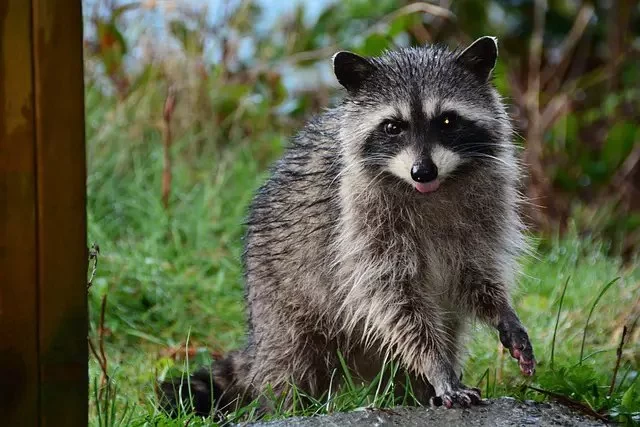
Dealing with Raccoons and Other Small Animals at Your Campsite: Prevention Tips
- Understanding the Risks of Small Animals at Campsites
- Prevention Strategies for Keeping Animals Away
- Securing Food and Other Attractive Items
- Animal-Proofing Your Campsite: Best Practices
- What to Do When You Encounter an Animal at Your Campsite
- Camping Gear for Protection from Small Animals
- Where to Buy the Best Camping Gear
Spending time in nature can be an incredibly rewarding experience, but it comes with its own set of challenges. One of the most common issues campers face is dealing with raccoons and other small animals that are attracted to campsites. These animals are not just a nuisance; they can pose health risks and cause damage to gear and food supplies. In this article, we’ll explore how to effectively prevent unwanted visitors and enjoy your camping experience without the hassle of animals rummaging through your supplies.
1. Understanding the Risks of Small Animals at Campsites
Small animals, particularly raccoons, squirrels, and rodents, are often drawn to campsites because of the easy access to food. While these creatures are generally harmless, they can be carriers of diseases like rabies, leptospirosis, and hantavirus. Additionally, they may cause damage to tents, backpacks, or other gear as they search for food.
1.1 Health Risks from Animal Encounters
When animals come into contact with humans, there is the potential for transmitting diseases through bites, scratches, or even contaminated food. It’s crucial to understand the types of risks associated with animals at your campsite to take the necessary precautions to avoid exposure.
1.2 Property Damage and Mess
Raccoons, in particular, are known for their dexterity and ability to open coolers, backpacks, and food containers. Left unchecked, they can ruin food supplies, scatter your gear, and leave a mess that’s hard to clean up. Protecting your belongings is just as important as preventing potential health risks.
2. Prevention Strategies for Keeping Animals Away
The best way to handle raccoons and other small animals is through prevention. By taking the right steps, you can minimize the likelihood of attracting unwanted visitors and avoid the hassle of dealing with them during your trip.
2.1 Choose the Right Campsite
When selecting a campsite, opt for areas that are further away from known animal habitats. Avoid camping near berry bushes, streams, or dense woods, as these environments attract animals looking for food. Additionally, ensure that your campsite is clean and free from food scraps or odors.
2.2 Time Your Visits
Animals are most active at night and during dawn and dusk. To avoid interactions with nocturnal creatures like raccoons, set up your campsite during daylight hours and prepare to settle in for the night well before dark.
3. Securing Food and Other Attractive Items
One of the key reasons animals are attracted to campsites is food. If food is left unsecured, raccoons and other animals will undoubtedly find it. Here’s how to make sure your food remains safe from animal invaders:
3.1 Store Food in Animal-Proof Containers
Invest in bear-resistant coolers and food containers. These are designed to keep raccoons, squirrels, and other small animals out. Ensure all food is sealed tightly and stored in these containers, even during the day when you're not actively eating.
3.2 Hang Food Out of Reach
If you don’t have an animal-proof cooler, consider hanging your food in a tree away from the campsite, ensuring it’s high enough that animals can’t reach it. The food should be secured in a sealed bag or container to prevent smells from attracting wildlife.
4. Animal-Proofing Your Campsite: Best Practices
Animal-proofing your campsite is one of the most effective ways to avoid unwanted encounters. Here are some essential practices to ensure that animals stay away:
4.1 Set Up Your Tent Properly
Ensure your tent is sealed tightly when not in use, and use zippers to prevent animals from sneaking inside. Check for small holes or openings that animals could squeeze through. Some campers even use netting around their tents to prevent small creatures from entering.
4.2 Clear the Campsite Area
Remove all food and waste from your campsite immediately after eating. Raccoons and rodents are often drawn to food scraps left behind, so it’s important to dispose of trash properly. Use trash bags and dispose of them in animal-proof bins or take them with you.
5. What to Do When You Encounter an Animal at Your Campsite
In the unfortunate event that you do encounter a raccoon or another small animal at your campsite, there are some essential steps to follow to ensure both your safety and the animal’s well-being:
5.1 Stay Calm and Avoid Feeding
Remain calm and avoid any sudden movements. Do not attempt to feed the animal, as this can encourage it to return to your campsite. Instead, gently back away and ensure you don’t have any food or other attractants visible.
5.2 Use Noise to Scare the Animal Away
If the animal doesn’t leave, try making loud noises, clapping, or using a whistle to scare it off. Raccoons, for example, are typically skittish and will retreat if they feel threatened.
6. Camping Gear for Protection from Small Animals
Having the right camping gear can make all the difference when it comes to protecting yourself from animals at your campsite. Some essential gear includes:
6.1 Animal-Proof Coolers
These coolers are specifically designed to keep animals from getting into your food. Look for ones with strong latches, thick insulation, and locking mechanisms to keep raccoons and other animals at bay.
6.2 Portable Animal Repellents
Consider investing in portable animal repellents that can be used to create a barrier around your campsite. These devices emit sounds or scents that are unpleasant to animals, helping to deter them from entering your area.
7. Where to Buy the Best Camping Gear
If you're ready to make sure your camping trip is safe from wildlife, visit Camping Rural for the best animal-proof camping gear. From food storage solutions to portable repellents, we offer everything you need to keep your campsite safe and secure from raccoons and other small animals.
Start planning your next adventure today with the right tools and gear to enjoy a wildlife-free camping experience!


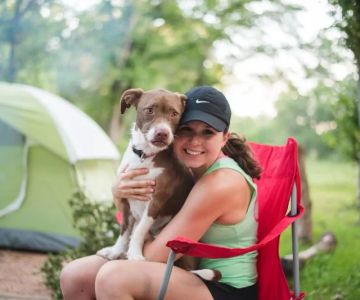
 Squam Lakes Camp Resort4.0 (24 reviews)
 Soup Creek Campground4.0 (4 reviews)
 Prairie Flower Recreation Area4.0 (67 reviews)
 Castor River DD Hwy Campground4.0 (74 reviews)
 Camp Pride4.0 (18 reviews)
 David Leedy Trailer Park3.0 (29 reviews)
 10 Must-Visit Campgrounds in the Midwest for Your Next Outdoor Adventure
 Romantic Camping Spots for Couples: Perfect Getaways in Nature
 Ultimate Guide to Off the Grid Camping in Remote Locations
 How to Cook Over a Campfire Safely for an Enjoyable Outdoor Experience
 Vanlife in Winter: My Personal Experience Living on the Road
 From City to Camp: My Journey to Nature and What I Learned