- choosing-the-right-location
- organizing-your-gear-for-speed
- efficient-tent-setup-methods
- creating-a-functional-campsite-layout
- family-and-group-coordination
1. Choosing the Right Location
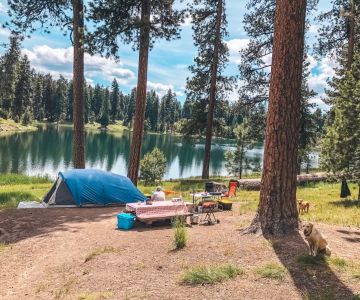
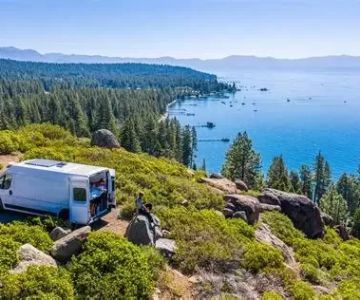
One of the fastest ways to set up your campsite efficiently is to begin with a smart location. Look for flat, dry ground with good natural drainage. Avoid areas near creeks or low-lying ground that might flood during rain. Natural windbreaks like bushes or rock formations can shield you from the wind, reducing setup complications.
During a spring camping trip in the Pacific Northwest, a family managed to avoid a two-hour setup delay by choosing a spot on elevated, dry pine-covered ground. This not only made pitching their tent easier but also kept them warmer at night thanks to better airflow and insulation.
2. Organizing Your Gear for Speed
Preparation begins before you hit the road. Use packing cubes or color-coded stuff sacks to group your items logically: sleeping gear, cooking tools, shelter materials, etc. Make sure the first items you need—like your tent and ground tarp—are easily accessible at the top of your pack or vehicle.
Many seasoned campers recommend practicing a dry run in your backyard. This helps you identify which items you reach for first and how you can re-pack to reflect that order.
3. Efficient Tent Setup Methods
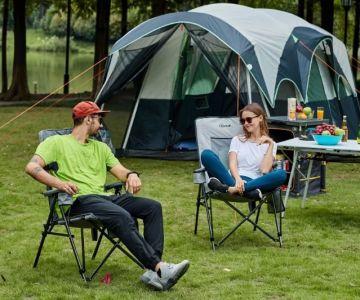
Practice makes perfect, especially when setting up tents. Choose a tent that matches your skill level and group size—pop-up tents are great for solo campers or fast overnighters, while dome tents with color-coded poles make assembly easier for families.
Once, a couple camping in Utah used a simple two-person dome tent they had rehearsed setting up. Despite arriving at twilight, they had shelter ready in under 7 minutes while others fumbled with complex gear well into the night.
4. Creating a Functional Campsite Layout
After your shelter is set up, define zones for different purposes. Cooking areas should be downwind and at least 200 feet from your sleeping area to avoid food-related wildlife incidents. Set up a separate place for gear storage to avoid clutter in your tent. If you're with kids, a designated "basecamp" space can help keep them occupied while you organize.
One group at Yosemite created a layout using logs and stones to delineate sleeping and cooking zones. It not only added structure but kept the area tidy and safe for all ages.
5. Family and Group Coordination
Assign tasks before arrival. One adult can pitch the tent, while teens gather firewood or inflate sleeping pads. Even small children can help with tasks like unrolling sleeping bags or setting up the dining area. Clear communication and predefined roles drastically cut down setup time.
A camping meetup in Oregon showed how a well-coordinated group of four families had a fully functional basecamp set in just under 25 minutes thanks to their pre-assigned roles and synchronized unpacking process.
 Walnut Creek Campground (Private)4.0 (24 reviews)
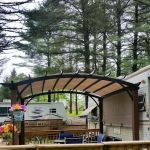 Neebs Campground4.0 (21 reviews)
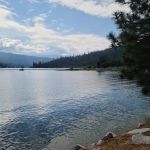 Lupine Spring Cove4.0 (10 reviews)
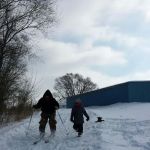 Rock N Ranch Events and Campground4.0 (8 reviews)
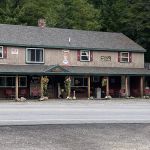 Coos Canyon Campground & Cabins4.0 (302 reviews)
 Stoney Creek Campground4.0 (34 reviews)
 10 Must-Visit Campgrounds in the Midwest for Your Next Outdoor Adventure
 Romantic Camping Spots for Couples: Perfect Getaways in Nature
 Ultimate Guide to Off the Grid Camping in Remote Locations
 How to Cook Over a Campfire Safely for an Enjoyable Outdoor Experience
 Vanlife in Winter: My Personal Experience Living on the Road
 From City to Camp: My Journey to Nature and What I Learned