- 1-why-budget-camping-is-a-great-choice
- 2-planning-your-camping-trip-within-budget
- 3-choosing-affordable-and-multi-purpose-camping-gear
- 4-finding-low-cost-campsites-and-alternatives
- 5-budget-friendly-food-and-cooking-tips
- 6-leveraging-experiences-and-community-resources
- 7-practical-example-of-budget-camping-success
1. Why Budget Camping Is a Great Choice
Camping is one of the most rewarding ways to connect with nature, relieve stress, and enjoy quality time with friends or family. However, many people hesitate to start camping due to perceived high costs for gear and travel. The good news is that learning how to start camping on a budget makes outdoor adventures accessible to nearly everyone.
Budget camping encourages creativity and simplicity, focusing on the essentials and maximizing enjoyment without breaking the bank. Whether you’re a student, a family on a tight budget, or someone simply looking to save money while exploring the outdoors, affordable camping offers flexibility and memorable experiences.
2. Planning Your Camping Trip Within Budget
Successful budget camping starts with careful planning. Begin by setting a realistic budget that covers gear, transportation, campsite fees, and food. Research camping locations that fit your budget and offer the amenities you need, such as access to water or restrooms.
Consider shorter trips closer to home to save on travel costs, and choose weekdays or off-peak seasons when campsite fees tend to be lower. Planning your route and timing carefully reduces expenses and helps avoid last-minute purchases.
Additionally, planning what activities you want to do can prevent overspending on unnecessary gear or excursions. Embrace simple pleasures like hiking, fishing, or stargazing, which require minimal investment but provide maximum enjoyment.
3. Choosing Affordable and Multi-Purpose Camping Gear
One of the largest upfront costs when learning how to start camping on a budget is buying gear. Prioritize essential items such as a durable tent, sleeping bag, and a reliable cooking stove. Look for multi-purpose gear that can serve several functions to reduce the number of items you need to buy.
Shopping for gently used or discounted gear from outlets, online marketplaces, or local outdoor groups can significantly cut costs. Renting equipment or borrowing from friends is another excellent way to minimize expenses while gaining experience.
Focus on quality over quantity—invest in gear that will last multiple trips rather than cheap items that wear out quickly. Proper gear care extends its lifespan, making your initial investment go further.
4. Finding Low-Cost Campsites and Alternatives
Campsite fees vary widely depending on location and amenities. Public lands such as national forests, Bureau of Land Management (BLM) areas, and state parks often offer affordable or even free camping options. These sites provide a great way to camp inexpensively while enjoying beautiful natural surroundings.
In addition to traditional campsites, consider alternative options like dispersed camping, backyard camping, or staying at campgrounds that allow tent camping without additional charges. Research and local camping forums often share hidden gems for budget campers.
Booking campsites well in advance and taking advantage of discounts for members of outdoor organizations can further reduce costs. Flexibility with dates and locations is key to finding the best deals.
5. Budget-Friendly Food and Cooking Tips
Food expenses can quickly add up during camping trips, but planning meals wisely can keep costs down without sacrificing nutrition or flavor. Choose non-perishable, easy-to-cook foods such as pasta, rice, canned beans, and dehydrated meals.
Bringing your own reusable cooking gear and utensils reduces the need for disposable items and saves money over time. Preparing meals at home before the trip can avoid expensive convenience store purchases. Sharing meals with your group can also cut down per-person costs.
Experimenting with campfire cooking or simple one-pot meals not only saves money but also adds to the fun and experience of camping. Always remember to practice safe food handling to avoid spoilage or contamination.
6. Leveraging Experiences and Community Resources
Joining local camping groups, online forums, or social media communities focused on budget camping can provide invaluable tips, gear swaps, and campsite recommendations. Learning from others who have mastered how to start camping on a budget saves time and money.
Many experienced campers recommend sharing resources like tents or cooking equipment on group trips, making camping more affordable for everyone involved. Community events such as group camping outings or skill workshops can enhance your knowledge and network.
Platforms like Camping Rural offer curated gear recommendations and camping spot information designed to fit various budgets. Using trusted resources helps new campers avoid costly mistakes and build confidence.
7. Practical Example of Budget Camping Success
Take the story of Anna and her friends, who wanted to explore the outdoors but had limited funds. They started by renting basic gear and choosing nearby public campgrounds with minimal fees. By meal prepping and sharing supplies, they kept costs low while enjoying multiple camping trips over the summer.
They used Camping Rural’s gear guides to find affordable, durable equipment and shared camping hacks from community forums to enhance their experience. Over time, they invested in a few key pieces of gear, prioritizing quality and longevity.
Their journey demonstrates that learning how to start camping on a budget isn’t just about saving money—it’s about making thoughtful choices that maximize enjoyment and accessibility to nature’s beauty.
 Davis Branch Campground5.0 (1 reviews)
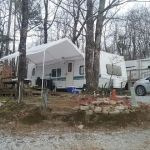 Jocassee RV Camp4.0 (37 reviews)
 Clearlake Resort3.0 (43 reviews)
 Burr Oak Cove Campground4.0 (67 reviews)
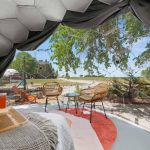 Dallas Glamping Adventures LLC5.0 (7 reviews)
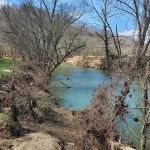 Red River Gorge Campground4.0 (165 reviews)
 10 Must-Visit Campgrounds in the Midwest for Your Next Outdoor Adventure
 Romantic Camping Spots for Couples: Perfect Getaways in Nature
 Ultimate Guide to Off the Grid Camping in Remote Locations
 How to Cook Over a Campfire Safely for an Enjoyable Outdoor Experience
 Vanlife in Winter: My Personal Experience Living on the Road
 From City to Camp: My Journey to Nature and What I Learned