- what-is-forest-bathing-and-where-it-originated
- how-forest-bathing-rejuvenates-the-mind
- healing-the-body-through-nature-connection
- real-stories-forest-bathing-in-the-modern-world
- tips-on-how-to-practice-forest-bathing-effectively
- explore-more-with-camping-rural
1. What Is Forest Bathing and Where It Originated
Forest bathing, or "Shinrin-yoku" as it's known in Japan, is not about swimming in a forest. It’s about immersing yourself in the sensory experience of being in nature. The practice began in the 1980s as part of a national public health program in Japan, encouraging people to unplug from urban chaos and reconnect with the healing power of the forest. Over time, it’s evolved into a globally recognized wellness practice.
1.1 It’s Not Hiking—It’s Slowing Down
Unlike hiking or exercise-focused outdoor activities, forest bathing is about slowing down and using all five senses. You don’t need a destination or a trail. You simply walk, breathe, sit, and notice—smells, textures, light, and sound. This non-goal-oriented approach is what makes it therapeutic at its core.
2. How Forest Bathing Rejuvenates the Mind
Stress is one of the most silent yet destructive modern-day health challenges. Forest bathing directly combats this by shifting the body into a parasympathetic state—rest, digest, and restore. According to a study published in Environmental Health and Preventive Medicine, forest environments significantly lower cortisol levels and reduce anxiety.
2.1 Nature’s Neurological Reset
Engaging in a mindful walk among trees offers more than peace—it actually changes brain function. Time spent in nature has been shown to reduce activity in the prefrontal cortex, the area associated with rumination and negative thought loops. In essence, it gives the mind permission to take a break.
2.2 Emotional Balance through Stillness
Being alone in a quiet, natural setting allows emotions to surface and settle. People often report improved emotional clarity after a single session of forest bathing. Some say it's like therapy, but without speaking. A marketing executive from Seattle shared, “I went into the woods exhausted and wired. Ninety minutes later, I felt like my mind had taken a deep breath.”
3. Healing the Body Through Nature Connection
The therapeutic benefits of forest bathing go beyond mental wellness. It affects the body on a cellular level. Phytoncides, the natural oils emitted by trees, have been shown to enhance natural killer (NK) cell activity in humans—boosting immune function and helping the body fight off illness.
3.1 Lower Blood Pressure and Improved Heart Rate Variability
Participants in forest therapy programs often see measurable drops in blood pressure and heart rate. A 2010 study from Chiba University concluded that forest therapy contributes to a decrease in sympathetic nerve activity and a better balance between sympathetic and parasympathetic nervous systems.
3.2 Inflammation Reduction and Better Sleep
Prolonged stress contributes to chronic inflammation. Forest bathing helps regulate inflammatory markers in the body. In turn, participants report sleeping more deeply and waking more rested. For those suffering from insomnia or burnout, a forest bath can be as effective as a spa weekend.
4. Real Stories: Forest Bathing in the Modern World
One notable story comes from a tech professional in Austin, Texas, who began forest bathing during the pandemic. After experiencing severe burnout from remote work, she started visiting a local greenbelt for silent morning walks. “At first, I felt guilty not checking email. But slowly, the birdsong, the breeze, the sunlight—it all reset me. My creativity returned.”
Another man from Colorado recovering from surgery used daily forest bathing walks as part of his rehab plan. He credits the practice with speeding up his physical and emotional healing. “It gave me a reason to move, breathe, and reconnect with the part of me that felt alive.”
5. Tips on How to Practice Forest Bathing Effectively
Anyone can start forest bathing—you don’t need to live near a national park. Even urban green spaces or tree-lined neighborhoods can provide the benefits. Here’s how to begin:
5.1 Go Alone or with Like-Minded People
Silence is golden. Turn off your phone, leave your earbuds behind, and walk slowly. If you're with others, agree to remain silent for most of the time to let nature fill the space.
5.2 Focus on the Senses
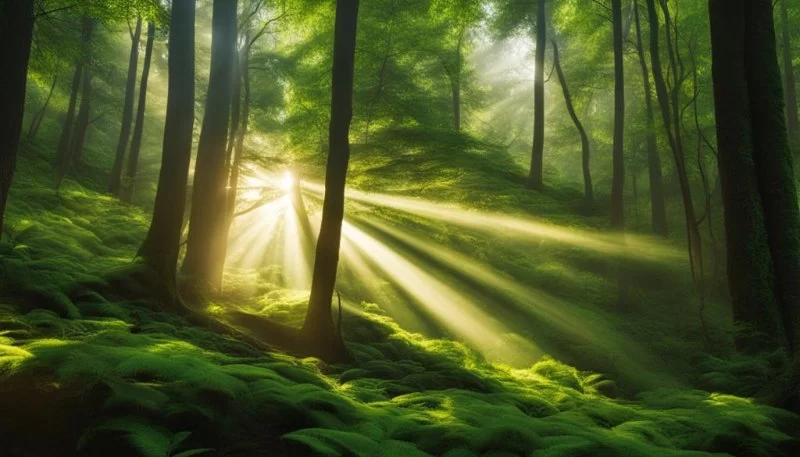
Take note of the way the light filters through the leaves. Notice the smells—pine, damp earth, wildflowers. Touch tree bark or moss. Feel the ground under your feet. This grounded attention shifts your awareness from mind chatter to body presence.
5.3 Let Go of the Clock
Unlike traditional exercise, time spent forest bathing should not be rushed. Thirty minutes is a good start, but if you can give yourself an hour or more, the deeper the effect.
6. Explore More with Camping Rural
If you're ready to embrace the full therapeutic benefits of forest bathing, Camping Rural offers access to tranquil nature-based destinations where you can unplug, unwind, and reconnect. Whether you're a solo seeker or planning a family retreat, you'll find the ideal space to experience rejuvenation in nature. Book a cabin, pitch a tent, or simply wander under the trees—your healing journey begins here.

 Crossroads4.0 (14 reviews)
 Rock Creek Hollow Campground5.0 (1 reviews)
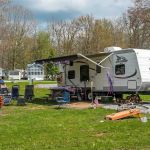 DuBois / Treasure Lake KOA Holiday3.0 (160 reviews)
 Katrina 1&2 Group Campsite - Baker Park4.0 (11 reviews)
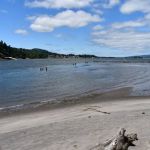 Conodoguinet Mobile Estates5.0 (3 reviews)
 Holiday Hill Day Camp and Recreation Center4.0 (20 reviews)
 10 Must-Visit Campgrounds in the Midwest for Your Next Outdoor Adventure
 Romantic Camping Spots for Couples: Perfect Getaways in Nature
 Ultimate Guide to Off the Grid Camping in Remote Locations
 How to Cook Over a Campfire Safely for an Enjoyable Outdoor Experience
 Vanlife in Winter: My Personal Experience Living on the Road
 From City to Camp: My Journey to Nature and What I Learned