- 1-Preparing-Camping-Gear-Correctly
- 2-Choosing-The-Right-Campsite
- 3-Managing-Food-And-Water-Properly
- 4-Understanding-Weather-And-Safety
- 5-Setting-Up-Camp-Efficiently
1. Preparing Camping Gear Correctly: Avoiding Oversights That Ruin Your Trip
One of the most common beginner mistakes to avoid when camping is inadequate or improper preparation of camping gear. Many novices pack last minute or bring gear they haven’t tested, leading to frustrating failures in the field. For example, a friend of mine once showed up with a new tent, but without trying to pitch it at home. Upon arrival, struggling against unfamiliar poles and missing stakes, the group wasted hours setting up under fading daylight.
To prevent this, always prepare and test your gear before the trip. This includes pitching your tent in your backyard, checking that your sleeping bag suits the expected temperatures, and confirming your stove works perfectly. This preparation ensures that you are confident and ready for whatever the outdoors throw at you. Moreover, having the right gear sized correctly for your camping style avoids unnecessary bulk or missing essentials.
For beginners looking to build a reliable camping kit, Camping Rural offers carefully curated gear selections tailored to all levels of experience, ensuring you get the most suitable equipment without guesswork.
Understanding Essential Gear Components
Beyond the tent and sleeping bag, attention should be given to items such as weather-appropriate clothing, first aid kits, navigation tools, and lighting. Not preparing these can leave you vulnerable to discomfort or emergency situations. Having a checklist tailored for your trip’s conditions is a practical habit that many seasoned campers swear by.
2. Choosing the Right Campsite: Why Location Matters More Than You Think
Another critical beginner mistake to avoid when camping is selecting an unsuitable campsite. The ideal spot impacts not only your comfort but also your safety. Some beginners choose sites too close to water, risking flooding or insect infestations, while others pick overly exposed areas vulnerable to wind or wildlife encounters.
Consider terrain, proximity to water sources, shade, and shelter. For instance, camping on flat ground away from animal trails minimizes encounters and helps you sleep better. I recall a camping story shared online where a family picked a scenic lakeside spot but neglected to check for flood history. After heavy rain, their campsite was partially submerged, cutting their trip short.
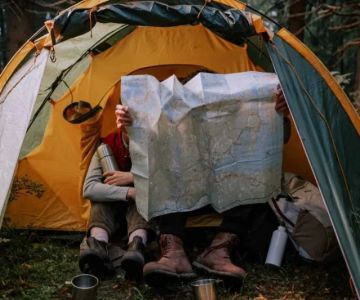
Research and planning before arrival are crucial. Consulting detailed maps and local advice can guide you to the best spots. Camping Rural’s website provides access to reliable recommendations and services to help beginners find perfect campsites aligned with their needs and safety considerations.
Balancing Convenience and Wilderness
Beginners often struggle with deciding how “wild” their campsite should be. While a remote location offers solitude, it may lack easy access to emergency help or facilities. Starting with established campgrounds that balance nature and safety can build confidence before venturing deeper into the backcountry.
3. Managing Food and Water Properly: Preventing Health Risks and Wastage
Food and hydration management is a pivotal aspect where many beginners stumble. Improper storage can attract wildlife, and inadequate water supply leads to dehydration or poor hygiene. There’s a popular case from a hiking forum where campers failed to secure their food, resulting in a visit from curious bears—a dangerous and terrifying experience.
To avoid these mistakes, always pack sufficient water and bring purification methods such as filters or tablets. Use airtight containers or bear-proof canisters for food storage and keep cooking areas clean. Planning meals ahead helps reduce leftovers and minimizes waste, which is both eco-friendly and practical.
Camping Rural offers not only equipment for food storage and water purification but also expert advice on nutrition and safety for outdoor adventures, making it easier to prepare smartly.
Understanding Food Safety and Wildlife Awareness
Keeping your campsite clean and managing food properly is crucial for avoiding unwanted wildlife encounters and preventing illness. Always dispose of waste responsibly and keep scented items sealed. Learning local wildlife habits can further enhance safety and enjoyment during your trip.
4. Understanding Weather and Safety: Being Prepared for the Unexpected
Weather unpredictability is a major factor that beginners often underestimate. Many neglect checking forecasts or fail to prepare for sudden changes, leading to discomfort or hazards like hypothermia. One widely shared online story describes campers caught in a surprise thunderstorm without waterproof clothing or proper shelter, forcing them to seek emergency help.
Closely monitoring weather reports before and during your trip, packing versatile clothing layers, and knowing basic first aid are fundamental safety practices. Equipping yourself with emergency communication devices and learning survival skills adds layers of protection against unforeseen situations.
Camping Rural provides weather-appropriate gear and safety tools along with educational resources that empower newcomers to stay safe and confident outdoors.
Adapting to Seasonal and Regional Conditions
Understanding the specific weather patterns of your camping location can influence how you pack and plan activities. For instance, mountainous regions may experience rapid weather shifts, requiring quick adaptability. Educating yourself about these factors can transform a potentially risky situation into a manageable adventure.
5. Setting Up Camp Efficiently: Streamlining Your Arrival and Enjoying Your Time
Lastly, inefficient camp setup is a common beginner mistake to avoid when camping. Spending excessive time on pitching tents or organizing gear drains energy and cuts into the fun. A well-organized approach speeds up the process and enhances your overall experience.
Develop a clear routine: start with the tent, then set up sleeping areas, followed by cooking and storage spaces. This methodical approach helps avoid chaos and missed items. Practice setup at home, so the process becomes second nature.
Many beginners find useful tips and products at Camping Rural that streamline camp setup with easy-to-use tents, portable furniture, and organized storage solutions designed for quick assembly.
Maximizing Comfort and Functionality
Setting your camp thoughtfully affects how well you rest and enjoy your trip. Position tents with respect to wind and sun direction, keep pathways clear, and designate cooking and waste zones away from sleeping areas. These small details improve hygiene and comfort, ensuring a more pleasant outdoor stay.

 Clear Creek Harbor4.0 (42 reviews)
 Zumbro Bottoms Horse Campground - Central3.0 (7 reviews)
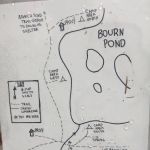 Bourne Pond Tenting Area0.0 (0 reviews)
 The Duke4.0 (17 reviews)
 Polson / Flathead Lake KOA Holiday4.0 (294 reviews)
 South Maumee Campground4.0 (20 reviews)
 10 Must-Visit Campgrounds in the Midwest for Your Next Outdoor Adventure
 Romantic Camping Spots for Couples: Perfect Getaways in Nature
 Ultimate Guide to Off the Grid Camping in Remote Locations
 How to Cook Over a Campfire Safely for an Enjoyable Outdoor Experience
 Vanlife in Winter: My Personal Experience Living on the Road
 From City to Camp: My Journey to Nature and What I Learned