
- #camping-in-the-desert-tips
- #desert-camping-survival
- #surviving-heat-and-sand-camping
- #desert-camping-guide
- #best-tips-for-desert-camping
The Best Tips for Camping in the Desert: Surviving Heat and Sand
Camping in the desert is one of the most unique and rewarding outdoor experiences. There's something incredibly special about immersing yourself in the vast, dry beauty of the desert landscape. But, as with any extreme environment, desert camping comes with its own set of challenges, particularly when it comes to dealing with the intense heat and the relentless sand. As someone who has experienced the highs and lows of desert camping, I want to share my best tips to ensure your trip is as safe, comfortable, and enjoyable as possible.
Whether you’re an experienced camper or a beginner, these tips will help you prepare for the harsh desert environment. From choosing the right gear to managing hydration and dealing with sandstorms, here’s what you need to know before setting out for your desert adventure.
Understanding the Desert Environment
Before diving into the practical tips, it’s important to understand the desert environment and what makes it so unique. Deserts are known for their extreme temperatures, with scorching hot days and chilly nights. The lack of water and vegetation means that resources can be limited, but it also offers a stunning, minimalist beauty. While the desert may seem desolate, it is actually home to a variety of wildlife and plant life that has adapted to survive in these tough conditions.
As you prepare for a desert camping trip, it's crucial to be mindful of the specific conditions you'll encounter. For example, desert days can reach temperatures of 100°F (37°C) or more, while nighttime temperatures can drop to near freezing. It’s essential to be prepared for both extremes.
Essential Gear for Desert Camping
Choosing the right gear is key to ensuring a comfortable and safe experience when camping in the desert. Over the years, I’ve learned that preparation is everything, and the right equipment can make all the difference. Here’s a breakdown of the essentials you’ll need:
1. A High-Quality Tent
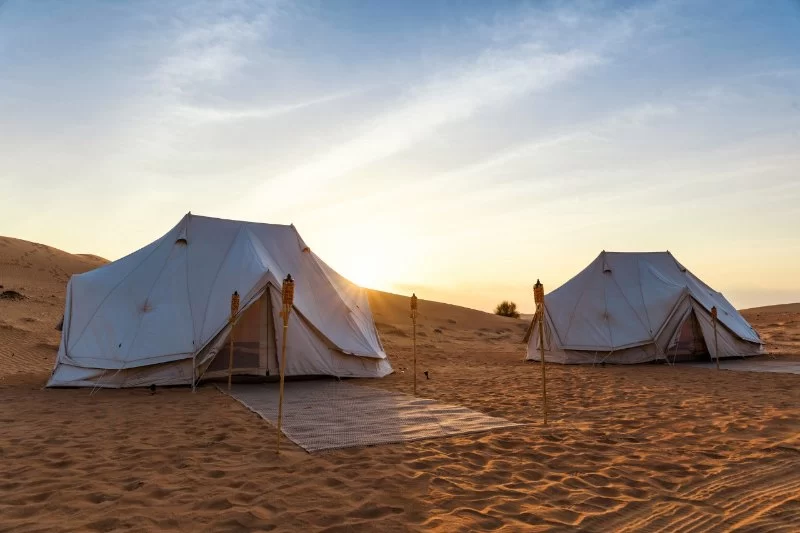
The first and most important piece of gear you'll need is a high-quality tent. In the desert, you'll need a tent that can handle both intense heat and colder temperatures at night. Make sure to choose a tent with proper ventilation to prevent overheating during the day. A tent with a reflective, UV-resistant coating can also help block out the sun’s rays, keeping the interior cooler.
I’ve always preferred tents with a double-wall design, which helps with insulation at night while allowing for airflow during the day. A spacious tent that gives you room to stretch out is also a must since you’ll be spending a lot of time inside during the hot hours of the day.
2. Sleeping Bag for All Temperatures
As desert nights can get surprisingly cold, it’s crucial to have a sleeping bag that can handle both the heat and the cold. I recommend choosing a sleeping bag rated for lower temperatures than you think you’ll need. This way, you’ll be prepared for those chilly desert nights without feeling too warm during the day.
3. Hydration System
Staying hydrated in the desert is absolutely critical. The dry heat can quickly lead to dehydration, so make sure you have a reliable water supply. I’ve found that using a hydration bladder or camelback system is one of the easiest ways to ensure you’re drinking water consistently throughout the day. Always carry extra water, as water sources are often few and far between in the desert.
It’s also important to have a way to purify water in case you run low and need to access a nearby stream or pond. I carry a portable water filter or purification tablets just in case.
4. Sun Protection
The desert sun is unforgiving, and protecting yourself from its harsh rays is essential. Always pack sunscreen with a high SPF, a wide-brimmed hat, and sunglasses with UV protection. I also recommend wearing lightweight, long-sleeved shirts and pants to protect your skin while still staying cool.
I’ve learned the hard way that even a few minutes of exposure can lead to painful sunburns, so I always reapply sunscreen throughout the day. A bandana or scarf can also be useful for covering your face when the sun is at its peak.
How to Handle the Heat and Sand
Now that you’ve got your gear sorted, let’s dive into some specific strategies for surviving the heat and dealing with the constant sand. These are the challenges that make desert camping so unique—and at times, so difficult. However, with the right approach, you can make your time in the desert enjoyable and safe.
1. Time Your Activities Wisely
One of the biggest challenges of desert camping is managing the extreme temperatures. The best way to handle this is to plan your activities around the cooler parts of the day. Early mornings and late evenings are the best times to explore or hike, as the temperatures are more bearable.
During the hottest part of the day, I recommend staying inside your tent or seeking shade. This is a good time to relax, take a nap, or enjoy a good book. The desert’s intense midday sun can be brutal, and I’ve learned that pacing myself is key to avoiding heat exhaustion.
2. Stay Cool in Your Tent
During the day, it’s important to keep your tent as cool as possible. I’ve found that the best way to do this is by setting up your tent in a shaded area, if possible, and keeping it closed during the hottest hours to minimize the heat inside. Some campers even use reflective tarps to provide extra shade and keep their tents cooler.
Another trick I’ve used is to bring a portable fan to circulate the air inside the tent. While it doesn’t provide air conditioning, it helps keep the air moving and makes it feel cooler. I also recommend setting up camp near natural shade, like rock formations or shrubs, to get relief from the sun.
3. Dealing with the Sand
Sand is another challenge that comes with desert camping. From getting into your tent to finding your gear, sand can sneak into everything. One tip that I’ve learned is to keep your tent floor elevated slightly off the ground to minimize sand accumulation. When packing, make sure all your gear is stored in waterproof, sand-resistant bags.
Additionally, a clean-up routine at the end of each day can help reduce the amount of sand you bring inside. I always try to shake out my sleeping bag and gear before bringing them back into the tent, and wiping down the tent interior with a damp cloth can help keep sand from building up.
Planning for Emergencies in the Desert
Even with careful planning, desert environments can be unpredictable. That’s why it’s always essential to have an emergency plan. In the desert, help can be hours away, and cell phone service is often nonexistent. I make sure to carry a fully charged power bank, a first aid kit, and a satellite phone for emergencies.
It’s also important to know the closest exit routes and landmarks. Always let someone know your planned route and expected return time. The desert is vast, and being prepared for an emergency can make all the difference.
Conclusion: Embrace the Challenge
Camping in the desert is one of the most rewarding outdoor experiences you can have, but it requires preparation, caution, and respect for the environment. By following these tips, you can enjoy the peace and beauty of the desert without falling victim to its challenges. With the right gear, knowledge, and attitude, desert camping can be a thrilling adventure full of unforgettable moments.
If you’re planning a desert camping trip, make sure to check out Camping Rural for the best camping gear and advice on how to make the most of your time in the desert.
 Saints RV Park4.0 (1 reviews)
 Beaver Tree Lodge4.0 (7 reviews)
 Seminole Campground4.0 (245 reviews)
 Pelican Hills RV Park4.0 (50 reviews)
 Buffalo Calf campground4.0 (5 reviews)
 Big Creek RV Park4.0 (19 reviews)
 10 Must-Visit Campgrounds in the Midwest for Your Next Outdoor Adventure
 Romantic Camping Spots for Couples: Perfect Getaways in Nature
 Ultimate Guide to Off the Grid Camping in Remote Locations
 How to Cook Over a Campfire Safely for an Enjoyable Outdoor Experience
 Vanlife in Winter: My Personal Experience Living on the Road
 From City to Camp: My Journey to Nature and What I Learned