
- Benefits-of-Campfire-Cooking-for-Kids
- Preparing-for-Kids-Campfire-Cooking
- Safe-Practices-During-Campfire-Cooking-with-Children
- Easy-and-Fun-Campfire-Recipes-for-Kids
- Engaging-Kids-with-Campfire-Cooking-Stories-and-Experiences
1. The Benefits of Campfire Cooking for Kids
Campfire cooking for kids is more than just preparing meals outdoors; it’s an enriching experience that blends education, creativity, and family bonding. When children participate in cooking over an open flame, they develop practical skills such as food preparation, fire safety awareness, and teamwork. This hands-on activity encourages curiosity and boosts confidence as kids see the tangible results of their efforts. Moreover, campfire cooking fosters a deeper appreciation for nature and the outdoors, making camping trips more memorable and engaging.
From a developmental perspective, outdoor cooking can stimulate children's senses—touching raw ingredients, smelling spices, and hearing the crackle of the fire—all of which enrich cognitive learning. Parents often notice that kids become more willing to try new foods when they help prepare them in an adventurous setting. For families who love spending time in nature, integrating campfire cooking creates opportunities to slow down, disconnect from technology, and savor quality moments together.
1.1 Educational Value and Skill Development
Learning how to cook over a campfire requires patience, planning, and understanding of basic cooking principles. Kids learn about fire management, ingredient choices, timing, and cleanliness, which are transferable skills that build responsibility. Teaching children these concepts in a natural setting often results in more lasting lessons compared to classroom environments.
1.2 Encouraging Healthy Eating Habits
Another advantage is the potential to introduce healthier meal options. Families can prepare fresh vegetables, lean proteins, and whole grains, moving away from processed snacks commonly associated with camping. This encourages kids to associate outdoor fun with nutritious eating, positively influencing their long-term food preferences.
2. Preparing for Kids Campfire Cooking: Essential Tips
Proper preparation is critical to ensuring that campfire cooking for kids is both fun and safe. Parents should start by selecting the right campsite and setting up a designated cooking area that keeps children safely away from the main fire pit but close enough for supervision and involvement. Preparation also means bringing kid-friendly cooking tools such as small tongs, easy-grip utensils, and child-safe gloves.
Choosing the right foods is equally important. Simple, minimal-ingredient recipes are best for young cooks, as they can easily follow instructions and feel accomplished. Pre-cut vegetables, pre-measured spices, and ready-to-cook proteins reduce complexity and mess.
2.1 Equipment and Supplies
When packing for campfire cooking with kids, include items like aluminum foil for easy cooking packets, skewers designed for children, and portable stoves or grills with safety features. Avoid bringing sharp knives for younger children; instead, opt for plastic or kid-safe cutting tools and supervise any necessary cutting closely.
2.2 Planning the Menu
Plan meals that allow children to actively participate. For example, assembling their own foil packets with veggies and sausage, or roasting marshmallows on skewers, engages kids while keeping the process manageable. Bringing some backup snacks and drinks ensures no one goes hungry in case cooking takes longer than expected.
3. Safe Practices During Campfire Cooking with Children
Safety is the top priority when involving kids in campfire cooking. Open flames, hot surfaces, and cooking tools pose risks that must be mitigated with clear rules and adult supervision. Teaching children about fire hazards before starting ensures they understand boundaries and behave responsibly.
3.1 Setting Clear Boundaries
Mark a safe perimeter around the fire where children are allowed to stand and work. Reinforce the idea that no running or rough play happens near the fire. Use visible markers such as stones or sticks to create a “no-go zone” around the hottest parts of the campfire.
3.2 Fire Management and Emergency Preparedness
Adults should always control fire ignition and extinguishing processes. Keep a bucket of water or sand nearby to quickly put out any accidental flames. Demonstrate how to properly extinguish the campfire at the end of cooking, involving children in this important ritual to instill respect for fire safety.
4. Easy and Fun Campfire Recipes for Kids
Introducing simple recipes tailored for children keeps campfire cooking enjoyable and stress-free. These recipes use minimal ingredients and short cooking times, helping kids see success quickly and encouraging their enthusiasm for outdoor cooking.
4.1 Classic Campfire Toasted Sandwiches
Using bread, cheese, and favorite sandwich fillings wrapped in foil, kids can assemble their own toasted sandwiches and place them near the campfire coals for about 5–7 minutes. This activity offers a delicious and customizable meal option that’s easy to monitor.
4.2 Foil Packet Veggies and Sausages
Pre-cut vegetables like bell peppers, zucchini, and baby potatoes combined with small sausage pieces make for a colorful, nutritious foil packet meal. Kids enjoy arranging their own packets, and parents can safely place them over the fire to cook evenly.
4.3 Sweet Campfire Bananas
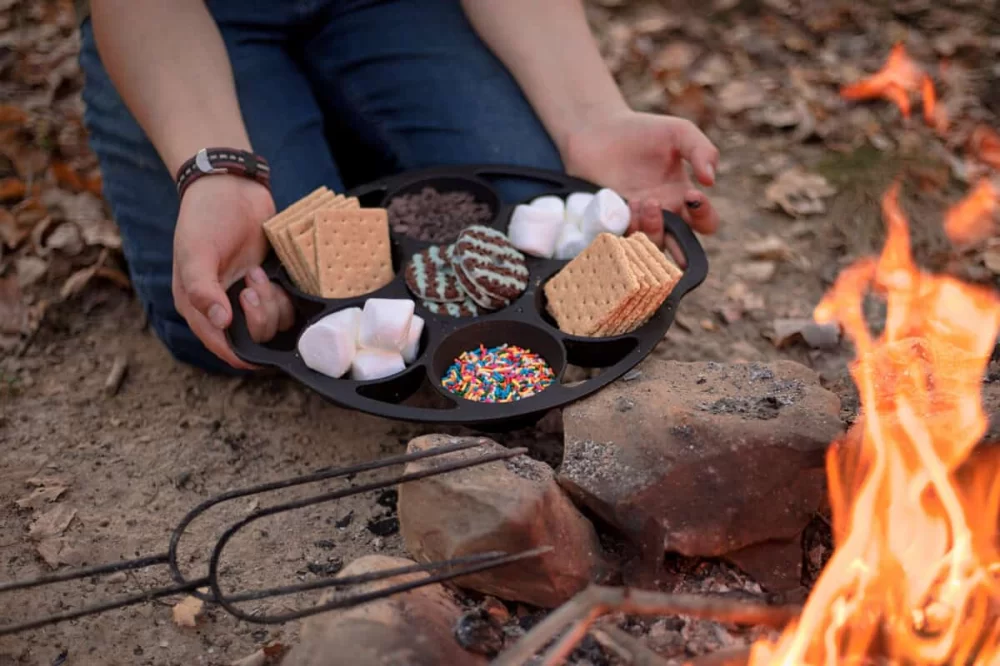
For dessert, slicing a banana lengthwise, filling it with chocolate chips and marshmallows, then wrapping it in foil and heating it over the coals creates a warm, gooey treat kids love. It’s simple and requires minimal prep, perfect for a fun end to a day outdoors.
5. Engaging Kids with Campfire Cooking Stories and Experiences
Sharing stories and personal experiences related to campfire cooking makes the activity even more captivating for children. For example, telling them about a memorable family camping trip where they first learned to roast marshmallows can spark excitement and anticipation.
Parents can also incorporate mini-lessons about traditional outdoor cooking techniques used by indigenous peoples or early explorers, adding cultural depth and context. Encouraging kids to create their own “campfire cooking journal” where they document recipes, drawings, and reflections fosters creativity and long-term engagement.
5.1 Real-Life Example: The Johnson Family’s Camping Adventure
The Johnson family, regular visitors to camping rural areas, shared how involving their children in campfire cooking transformed their trips. Their 8-year-old daughter, Emma, once successfully prepared a full breakfast over the campfire, which boosted her confidence and love for camping. Such stories illustrate the rewarding nature of these experiences and encourage other families to try campfire cooking together.
5.2 Recommendations for Finding the Best Gear and Support
For those looking to get started or enhance their outdoor cooking setup, Camping Rural offers a curated selection of equipment, foods, and expert advice perfectly suited for family camping trips. Their products and services can help you and your children enjoy safe, fun, and memorable campfire cooking adventures.

 The Backyard5.0 (2 reviews)
 ROAM Beyond Glacier, Montana4.0 (45 reviews)
 Camp 3290.0 (0 reviews)
 Belleview Estates3.0 (25 reviews)
 Tinta Campground0.0 (0 reviews)
 Mobile Haven Senior Park3.0 (36 reviews)
 10 Must-Visit Campgrounds in the Midwest for Your Next Outdoor Adventure
 Romantic Camping Spots for Couples: Perfect Getaways in Nature
 Ultimate Guide to Off the Grid Camping in Remote Locations
 How to Cook Over a Campfire Safely for an Enjoyable Outdoor Experience
 Vanlife in Winter: My Personal Experience Living on the Road
 From City to Camp: My Journey to Nature and What I Learned