
- 1-Respecting-Nature-and-the-Environment
- 2-Campground-Behavior-and-Community-Considerations
- 3-Noise-Control-and-Quiet-Hours
- 4-Campfire-Safety-and-Etiquette
- 5-Waste-Management-and-cleanup
- 6-Respecting-Other-Campers-and-Shared-Spaces
- 7-Real-Camping-Experience-and-Lessons-Learned
- 8-Getting-Started-with-Camping-Rural
1. Respecting Nature and the Environment
Camping begins with a deep respect for the natural environment. Understanding the importance of preserving flora and fauna is the foundation of good camping etiquette for beginners. This means avoiding damage to plants, staying on designated trails, and not disturbing wildlife. Many first-time campers underestimate how fragile ecosystems can be. For example, tramping off-path can crush native plants and disrupt animal habitats.
Moreover, it's crucial to follow the "Leave No Trace" principles—pack out all trash, avoid picking flowers, and minimize your footprint to keep natural areas pristine for future visitors.
2. Campground Behavior and Community Considerations
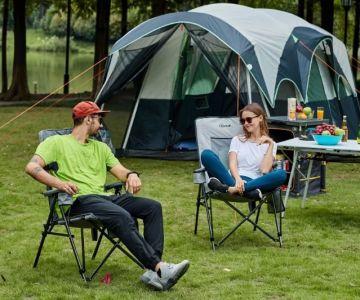
When camping in communal sites, etiquette extends beyond nature to interactions with fellow campers. Beginners should strive to create a friendly, respectful atmosphere. This includes greeting neighbors politely, respecting site boundaries, and following campground rules.
One common rookie mistake is overstaying in shared areas or spreading gear beyond your allocated space. Maintaining an organized and tidy campsite shows consideration for others and contributes to everyone's comfort.
3. Noise Control and Quiet Hours
Noise is a frequent source of conflict in campgrounds. Respecting quiet hours—typically during late evening and early morning—is vital. Loud music, shouting, or noisy games can disturb others’ relaxation or sleep.
Even during daytime, being mindful of noise levels promotes a peaceful environment. Campers often appreciate the chance to connect with nature's tranquility, so keeping voices down and minimizing disruptive sounds helps everyone enjoy the experience.
4. Campfire Safety and Etiquette
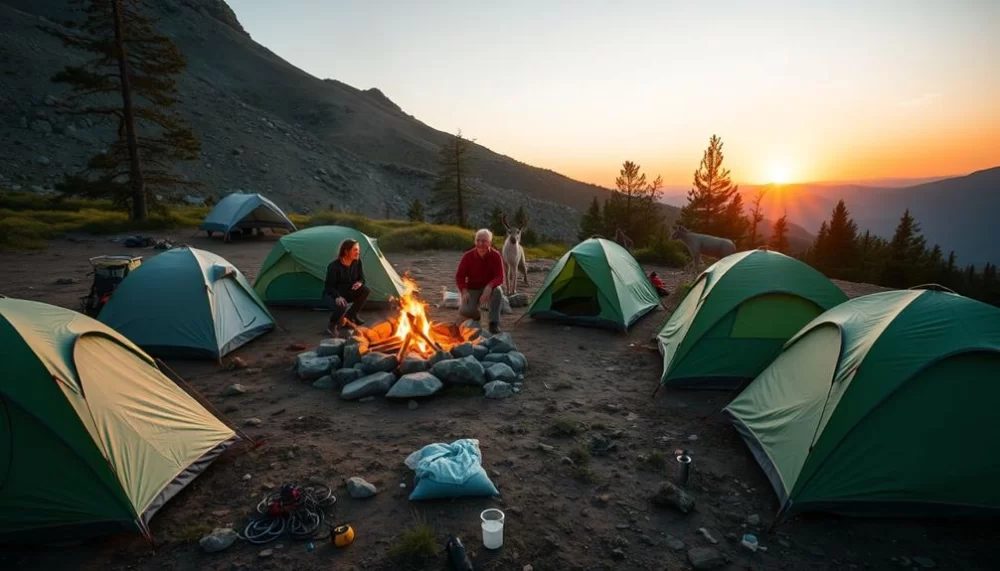
Campfires are central to the camping experience but must be handled responsibly. Beginners should only build fires in designated fire rings or pits and ensure they are fully extinguished before leaving the site or going to sleep.
Respect others by keeping fires manageable in size, avoiding excessive smoke, and adhering to fire bans or restrictions. A memorable story from a novice camper who ignored fire safety highlights how quickly a small spark can lead to dangerous situations, underscoring the need for caution.
5. Waste Management and Cleanup
Proper disposal of waste is critical. Campers must pack out all garbage, leftover food, and recyclables. Using provided facilities for human waste or following local guidelines for sanitation prevents environmental contamination.
Beginners sometimes overlook cleaning up after pets or leaving food scraps behind, which can attract wildlife and create hazards. Being diligent about waste management protects the campsite ecosystem and fellow campers.
6. Respecting Other Campers and Shared Spaces
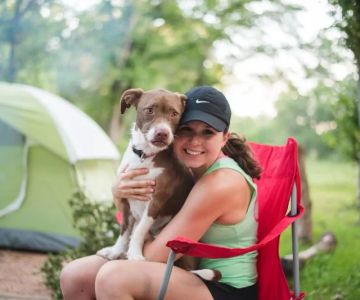
Sharing a campground means respecting others’ privacy and space. Avoid wandering into neighboring campsites, keep your belongings contained, and control pets on leashes.
Understanding that everyone is there to enjoy nature encourages a community spirit where kindness and patience enhance the camping experience. Stories abound of groups bonding over shared fire pits when respect and openness guide their interactions.
7. Real Camping Experience and Lessons Learned
Jessica, a first-time camper, recalls her weekend in a national park where she learned the hard way about noise control after disturbing nearby campers with loud music. After adjusting her behavior and following campground etiquette, she found her experience much more enjoyable and peaceful.
Such stories remind beginners that camping etiquette is not just about rules but about fostering harmony with nature and community.
8. Getting Started with Camping Rural
If you’re ready to embrace camping etiquette for beginners and embark on outdoor adventures, Camping Rural offers expert advice, quality gear, and support for all levels of campers. Their recommendations help you prepare thoughtfully and enjoy your time in nature while respecting the environment and fellow outdoor enthusiasts.

 Upper Ballard Campground2.0 (2 reviews)
 Camp Prime Time5.0 (26 reviews)
 Grandview Mobile Home Park3.0 (45 reviews)
 Umpqua Golf & RV Park4.0 (50 reviews)
 Autumn Falls mobile home Park4.0 (49 reviews)
 Buckley Family Farm5.0 (2 reviews)
 10 Must-Visit Campgrounds in the Midwest for Your Next Outdoor Adventure
 Romantic Camping Spots for Couples: Perfect Getaways in Nature
 Ultimate Guide to Off the Grid Camping in Remote Locations
 How to Cook Over a Campfire Safely for an Enjoyable Outdoor Experience
 Vanlife in Winter: My Personal Experience Living on the Road
 From City to Camp: My Journey to Nature and What I Learned