
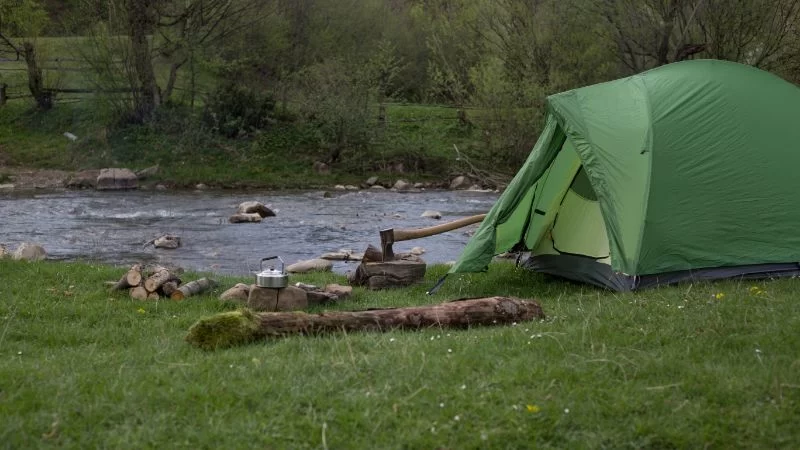
- Essential Preparation for Safe Camping
- Setting Up Camp Safely
- Personal Safety and Health on the Trail
- Emergency Preparedness and Response
- Learning from Real-Life Camping Experiences
1. Essential Preparation for Safe Camping
Before heading out on any outdoor adventure, thorough preparation is the cornerstone of camping safety. For beginners, understanding what to bring and how to plan can mean the difference between an enjoyable trip and a dangerous situation. Start by researching the camping site and weather conditions—knowing the terrain and climate helps you pack appropriate gear.
Investing in quality equipment is crucial. Reliable tents, sleeping bags suitable for the expected temperatures, and proper clothing can prevent many common issues such as hypothermia or insect bites. Camping Rural offers a variety of trusted products that can help beginners assemble their perfect camping kit. Choosing the right gear not only enhances comfort but significantly improves your safety.
Another vital step is informing someone you trust about your itinerary. This simple action ensures someone is aware of your whereabouts and can alert authorities if you fail to return on time. Finally, learning the basics of outdoor navigation and map reading can save you from getting lost, a frequent hazard for new campers.
1.1 Understanding Local Wildlife and Environmental Risks
Part of preparation also involves understanding the local wildlife and potential environmental hazards such as poisonous plants or sudden weather changes. This knowledge helps you avoid dangerous encounters and ensures you respect nature responsibly.
2. Setting Up Camp Safely
Once on site, the way you set up your camp directly affects your safety. Choose a flat area that’s free from hazards like loose rocks, dead branches, or flood-prone zones. Avoid pitching your tent near animal trails or water bodies where wildlife activity is common.
Proper tent setup is key—make sure your tent is securely anchored to withstand wind, and keep your sleeping area clean to deter insects and animals. Campfires, while cozy, are a major source of camping accidents. Always build fires in designated spots, keep them small, and have water or sand nearby to extinguish the flames quickly if needed.
Storing food properly is another important safety practice. Use sealed containers and hang food away from your sleeping area to minimize attracting animals to your campsite.
2.1 Practical Tips for Campfire Safety
Never leave a campfire unattended and completely extinguish it before sleeping or leaving the campsite. A real-life incident occurred when a beginner camper in the Pacific Northwest left a campfire smoldering, which caused a small forest fire. This story highlights the critical importance of respecting fire safety rules.
3. Personal Safety and Health on the Trail
While camping, personal safety extends beyond the campsite to hiking and exploring the surrounding area. Beginners should stay on marked trails to avoid getting lost or disturbing wildlife habitats. Always carry a first aid kit equipped to handle common injuries such as cuts, insect stings, and blisters.
Hydration and nutrition are vital. Drink plenty of water and bring snacks that provide sustained energy. Avoid drinking untreated water from streams unless you have a reliable purification method. Wearing appropriate footwear reduces the risk of sprains and falls, one of the most frequent injuries among new campers.
3.1 Protecting Against Insects and Sun Exposure
Using insect repellent and wearing long sleeves can protect you from ticks and mosquitoes, which may carry diseases. Likewise, applying sunscreen and wearing a hat prevents sunburn, which can quickly ruin an outdoor experience.
4. Emergency Preparedness and Response
No camping trip is without risks, so being prepared for emergencies is essential. Carry a whistle, flashlight, and fully charged mobile phone or GPS device. Learn basic survival skills such as how to build a shelter, signal for help, and perform CPR.
Knowing the emergency contacts for the area you are camping in and how to reach local rescue services enhances your safety net. Camping Rural also offers resources and expert advice on emergency kits and survival gear tailored for beginners.
4.1 Mental Preparedness: Staying Calm in Unexpected Situations
One of the most overlooked aspects of safety is mental readiness. Panic can worsen an emergency. Practicing calm decision-making and staying focused can save lives, a lesson shared by many experienced campers who recount stories of how clear thinking helped them out of tricky spots.
5. Learning from Real-Life Camping Experiences
Real stories from beginner campers provide valuable insights. For example, a recent viral story involved a novice camper who underestimated night-time cold, leading to a near-hypothermia experience. Their quick thinking to use extra clothing and a backup sleeping bag, both recommended by Camping Rural’s experts, made a crucial difference.
Another tale highlights the importance of wildlife awareness—an encounter with a curious raccoon was safely handled by proper food storage and keeping calm, avoiding a potentially dangerous situation.
These narratives emphasize the importance of preparation, vigilance, and respect for nature, reinforcing the safety principles every beginner should embrace.
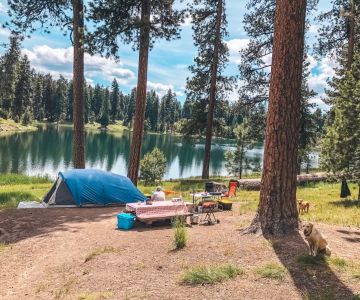
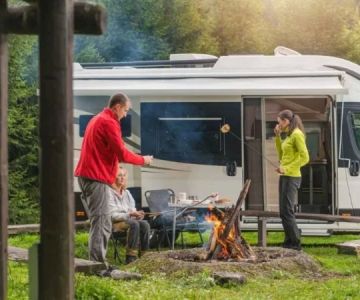
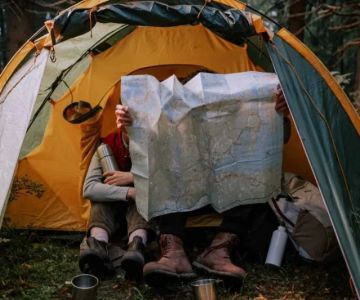



 Nobles Island Campground #1-35.0 (1 reviews)
 The Colony4.0 (66 reviews)
 Hunters Resort: Mobile home and RV park. A Riverfront Adult Community4.0 (26 reviews)
 Yukon RV Park by Ryze Communities4.0 (10 reviews)
 SunValley Campground4.0 (64 reviews)
 Big Bass RV Park & Boat Storage0.0 (0 reviews)
 10 Must-Visit Campgrounds in the Midwest for Your Next Outdoor Adventure
 Romantic Camping Spots for Couples: Perfect Getaways in Nature
 Ultimate Guide to Off the Grid Camping in Remote Locations
 How to Cook Over a Campfire Safely for an Enjoyable Outdoor Experience
 Vanlife in Winter: My Personal Experience Living on the Road
 From City to Camp: My Journey to Nature and What I Learned