
- 1-Preparing-for-Cold-Weather-Camping
- 2-Essential-Gear-for-Winter-Camping
- 3-Clothing-Strategies-to-Keep-Warm
- 4-Setting-Up-a-Winter-Camp-Safely
- 5-Nutrition-and-Hydration-Tips
- 6-Real-Life-Winter-Camping-Experience
- 7-Finding-the-Best-Camping-Equipment-at-Camping-Rural
1. Preparing for Cold Weather Camping
Proper preparation is crucial when camping in cold weather to ensure safety and enjoyment. Understanding the challenges posed by low temperatures, wind, and snow helps campers anticipate risks and pack appropriately.
Planning your route, checking weather forecasts, and informing someone about your itinerary are important safety measures before embarking on your winter adventure.
1.1 Research and Site Selection
Choose campsites that offer natural windbreaks and accessible water sources. Consider elevation and terrain, as higher altitudes often mean colder temperatures.
2. Essential Gear for Winter Camping
Having the right gear makes all the difference in cold weather conditions. Key items include:
2.1 Four-Season Tent
Designed to withstand snow and strong winds, a four-season tent provides better insulation and durability compared to standard models.
2.2 Cold-Weather Sleeping Bag
Select a sleeping bag rated for temperatures lower than you expect to encounter. Down insulation offers excellent warmth-to-weight ratio.
2.3 Insulated Sleeping Pad
An insulated sleeping pad prevents heat loss to the cold ground, keeping your body temperature stable overnight.
3. Clothing Strategies to Keep Warm
Layering is key for maintaining body heat and adjusting to changing conditions.
3.1 Base Layer
Wear moisture-wicking fabrics like merino wool or synthetic materials next to your skin to stay dry.
3.2 Insulating Layer
Fleece or down jackets trap warmth effectively.
3.3 Outer Layer
Waterproof and windproof jackets protect you from elements like snow and gusts.
4. Setting Up a Winter Camp Safely
Site preparation affects comfort and safety.
4.1 Clearing Snow and Creating a Platform
Remove snow from your tent area or create a platform with branches to insulate from the cold ground.
4.2 Ventilation
Maintain proper tent ventilation to reduce condensation buildup, which can cause dampness and chill.
5. Nutrition and Hydration Tips
Proper nutrition and hydration support body heat and energy.
5.1 High-Calorie Foods
Consume fats and carbohydrates like nuts, energy bars, and dried fruits to fuel your metabolism.
5.2 Stay Hydrated
Even in cold weather, dehydration is a risk. Drink warm fluids regularly and melt snow if necessary.
6. Real-Life Winter Camping Experience
Alex, an avid camper, recounts his first cold weather camping trip where he underestimated the temperature drop at night. After investing in proper gear from Camping Rural and applying smart layering techniques, his second trip was much safer and more enjoyable. Alex now recommends thorough preparation for anyone new to winter camping.
7. Finding the Best Camping Equipment at Camping Rural
Camping Rural offers expert-curated selections of tents, sleeping bags, clothing, and accessories tailored for cold weather camping. Their knowledgeable staff provide personalized recommendations ensuring your gear matches your adventure’s demands.
For a safe, comfortable, and memorable cold weather camping experience, Camping Rural is the ideal resource for gear and advice.
 Valley View RV Resort4.0 (223 reviews)
 Country Roads Mountain River Retreat0.0 (0 reviews)
 Lost River RV Park4.0 (257 reviews)
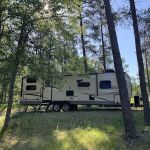 Kneff Lake Campground4.0 (51 reviews)
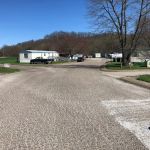 Chateau Estates Mobile Home Park4.0 (12 reviews)
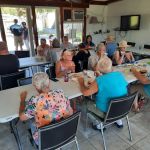 Imperial Manor Mobile Home4.0 (99 reviews)
 10 Must-Visit Campgrounds in the Midwest for Your Next Outdoor Adventure
 Romantic Camping Spots for Couples: Perfect Getaways in Nature
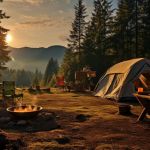 Ultimate Guide to Off the Grid Camping in Remote Locations
 How to Cook Over a Campfire Safely for an Enjoyable Outdoor Experience
 Vanlife in Winter: My Personal Experience Living on the Road
 From City to Camp: My Journey to Nature and What I Learned