
- 1-Preparing-Your-Pet-for-Camping
- 2-Essential-Grooming-Tips-Before-the-Trip
- 3-Maintaining-Pet-Hygiene-During-Camping
- 4-Managing-Pest-Control-and-Protection
- 5-Cleaning-and-Caring-for-Pet-Gear
- 6-Real-Experiences-and-Successful-Camping-Stories
- 7-Recommended-Products-from-Camping-Rural
Preparing Your Pet for Camping
Camping with pets grooming and hygiene tips start long before the trip. Preparing your pet physically and mentally ensures a more enjoyable experience for both of you. Begin with a thorough veterinary check-up to confirm your pet’s health and update vaccinations, especially for tick and flea prevention.
Discuss your camping plans with the vet and get recommendations tailored to your pet’s needs. This preparation helps minimize health risks during the outdoor adventure.
Essential Grooming Tips Before the Trip
Before heading out, give your pet a full grooming session. Bathing with a gentle shampoo removes dirt and loose fur, reducing the chance of bringing unwanted debris to the campsite. Trimming nails and cleaning ears prevents discomfort and infections during the trip.
Brushing the coat not only keeps your pet looking good but also helps you spot any ticks or skin issues early. Proper grooming before camping is key to maintaining pet hygiene camping standards.
Maintaining Pet Hygiene During Camping
While camping, maintaining your pet’s hygiene requires practical solutions. Use pet-friendly wipes to clean paws and coat after walks, especially if your pet plays in muddy or wet areas. Keeping a clean water supply and washing your pet’s bowls daily prevents bacterial growth.
Also, regular brushing during the trip helps control shedding and reduces matting. Attention to these details ensures your pet stays comfortable and healthy throughout the outdoor excursion.
Managing Pest Control and Protection
Outdoor environments can expose pets to pests like ticks, fleas, and mosquitoes, which carry diseases and cause discomfort. Apply veterinarian-approved repellents and check your pet regularly for pests, especially after hikes or forest walks.
Consider protective clothing or insect-repelling collars when camping in heavily infested areas. Staying vigilant about pest control is a vital part of camping pet care and hygiene.
Cleaning and Caring for Pet Gear
Camping gear for pets such as beds, harnesses, and leashes should be cleaned frequently to avoid bacterial build-up. Use mild detergents and allow gear to dry completely before packing it back.
Portable pet showers or rinse stations make cleaning easier on-site. Proper care of pet gear supports overall hygiene and prevents skin irritations or infections.
Real Experiences and Successful Camping Stories
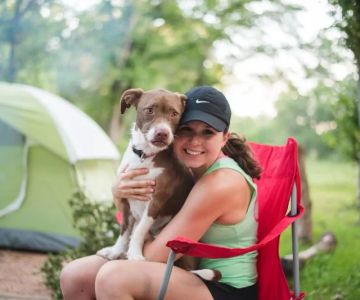
Many pet owners share stories about how following camping with pets grooming and hygiene tips made their trips more enjoyable. For example, Sarah recounts how she managed her dog’s coat and pest protection during a week-long forest camping, ensuring her dog stayed healthy and happy despite the challenging environment.
These experiences highlight the practical benefits of good hygiene practices and thorough preparation.
Recommended Products from Camping Rural
For those looking to enhance their camping pet care, Camping Rural offers a curated selection of grooming tools, pest repellents, and cleaning supplies designed specifically for outdoor use.
Explore our recommended products to find the best gear for keeping your pets clean, comfortable, and safe on every camping adventure.

 Tampa Sun Estates 33.0 (9 reviews)
 meadows mobile home park2.0 (8 reviews)
 Crow's Nest RV Resort4.0 (34 reviews)
 Village Estates3.0 (58 reviews)
 Elk Neck Youth Group Camping Area4.0 (8 reviews)
 Gatewood Group Campground4.0 (4 reviews)
 10 Must-Visit Campgrounds in the Midwest for Your Next Outdoor Adventure
 Romantic Camping Spots for Couples: Perfect Getaways in Nature
 Ultimate Guide to Off the Grid Camping in Remote Locations
 How to Cook Over a Campfire Safely for an Enjoyable Outdoor Experience
 Vanlife in Winter: My Personal Experience Living on the Road
 From City to Camp: My Journey to Nature and What I Learned