
Detailed Guide to Choosing the Right Camp Stove Fuel: Propane, Butane, White Gas, and More
Trending Blog Articles
Popular Camping Blog Posts
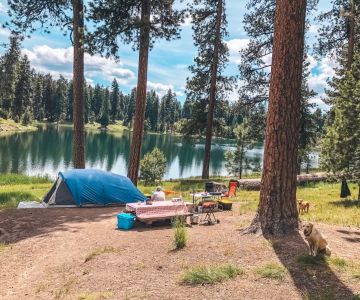 Tips for US Campers: Complete Guide to Summer Camping Hacks for Hot Weather
Discover expert tips for summer camping in hot weather. Get the best summer camping hacks and advice to make your next outdoor adventure comfortable and enjoyable. 1. Why Summer Camping in Hot Weather Can Be Challenging 2. Preparing for Hot Weather Camping 3. Essential Gear for Hot Weather Camping 4. Summer Camping Hacks for Comfort and Safety 5. Real-Life Experience: My Best Summer Camping Trip 1. Why Summer Camping in Hot Weather Can Be Challenging As a frequent camper, I can tell you that summer camping can be both exciting and challenging—especially when the temperatures soar. Camping in hot weather can put a strain on your comfort and safety, and it requires extra planning and preparation. From staying cool during the day to ensuring you stay hydrated, managing the heat is one of the biggest concerns I have during summer camping trips. On my first summer camping trip in high temperatures, I underestimated the effects of heat. Without proper gear and strategies, I found myself overheating and struggling to stay comfortable. However, over the years, I've learned several tips and tricks to make summer camping in hot weather more enjoyable. In this guide, I’ll share my personal experiences and expert advice for camping in the heat. 2. Preparing for Hot Weather Camping Before heading out for a summer camping trip, proper preparation is key to ensuring a safe and enjoyable experience. I’ve learned that by taking a few simple steps, you can beat the heat and make the most of your time outdoors. Here’s how I prepare for camping in hot weather: 2.1 Check the Weather It’s always important to check the weather forecast before heading out. Hot weather can sometimes be unpredictable, and it’s crucial to know the temperature range so that you can pack the right gear. I always check the forecast for not just the day’s temperature, but also for any extreme weather conditions like heatwaves or sudden thunderstorms that may affect my plans. 2.2 Choose the Right Campsite When camping in hot weather, choosing the right campsite is essential. I prefer campsites that are shaded, close to water sources like lakes or rivers, or at higher altitudes where the temperatures are cooler. These factors make a huge difference in comfort during the day. I’ve also learned that campsites with access to natural breezes can help mitigate the heat, so I always look for locations with good airflow. 2.3 Plan Your Camping Schedule During hot weather, it’s important to plan your outdoor activities for the cooler parts of the day. I tend to wake up early to enjoy a hike or explore the campsite before the sun becomes too intense. In the afternoons, I take it easy, resting in the shade or near water, and I avoid strenuous activities during peak heat hours, typically between noon and 4 PM. 3. Essential Gear for Hot Weather Camping Having the right gear can make all the difference when camping in the heat. Over the years, I’ve learned that some pieces of gear are non-negotiable for staying comfortable and safe during summer camping trips. Here’s a rundown of the must-have gear for hot weather camping: 3.1 Lightweight Tents When camping in hot weather, I always choose a lightweight, breathable tent that allows for proper ventilation. My go-to is a tent with mesh panels that allow air to circulate freely. I avoid tents that trap heat, as they can become unbearably hot inside. A tent with a rainfly that can be removed during the day helps reduce the heat buildup and keep the tent cooler. 3.2 Sleeping Bags and Pads In hot weather, I opt for sleeping bags that are lightweight and breathable. Synthetic sleeping bags work best for summer camping, as they wick away moisture and prevent overheating. I also use a thin, cooling sleeping pad to keep the heat from the ground from affecting my sleep. A good night’s rest is crucial for staying energized on your camping trip. 3.3 Portable Fans and Cooling Products To stay cool during the hottest hours, I always bring along a portable fan or a cooling towel. The fan helps circulate air inside the tent, and a cooling towel can be wrapped around my neck or forehead to provide instant relief. These simple products have made a world of difference in making hot weather camping more comfortable. 4. Summer Camping Hacks for Comfort and Safety Over the years, I’ve picked up several summer camping hacks that can help you stay cool, hydrated, and safe during your trip. Here are some of my favorite tips: 4.1 Stay Hydrated Staying hydrated is essential when camping in hot weather. I always carry a large water bottle and refill it regularly. I’ve found that adding electrolytes to my water helps replenish what I lose through sweat. I also make sure to drink water before I feel thirsty, as by the time you’re thirsty, dehydration may have already set in. 4.2 Create Shade Creating shade around your campsite is one of the best ways to stay cool. I use tarps, umbrellas, and portable awnings to create shaded areas. This allows me to relax outside without being exposed to the sun all day. I’ve also learned to set up my tent in a shaded spot to ensure that it stays cooler inside. 4.3 Use Sunscreen and Wear Light Clothing When camping in the sun, I make sure to apply sunscreen regularly to protect my skin from harmful UV rays. I also wear lightweight, moisture-wicking clothing that allows my skin to breathe. Light-colored fabrics are great for reflecting the sun’s rays and keeping my body cooler. 5. Real-Life Experience: My Best Summer Camping Trip Last summer, I decided to camp in a national park during a heatwave. Equipped with a lightweight tent, a portable fan, and plenty of water, I had an incredible experience despite the high temperatures. My camping trip was made enjoyable by taking the right precautions, including staying in the shade during the hottest hours and avoiding strenuous activities during peak heat. It was a truly unforgettable experience, and I made some great memories while staying safe and comfortable in the heat. If you’re planning your own summer camping trip, be sure to check out Camping Rural for expert gear recommendations and helpful advice on staying cool and comfortable while camping in hot weather.
 Ultimate Guide for US Campers - Gear, Tips, and Best Destinations
Discover the ultimate guide for US campers with essential gear recommendations, expert tips, and must-visit camping destinations. Plan your next adventure with practical advice and gear suggestions. Explore more at Camping Rural.
 Complete Guide to Camping with Expert Tips and Gear Recommendations
Learn expert tips and gear recommendations for your next camping trip. From hiking to safety and fun activities, get the ultimate guide to making your camping experience memorable.
 Complete Guide to Boondocking Tips for RV Travelers
"Explore expert boondocking tips for RV travelers, including essential gear, safety advice, and top spots to camp off-grid. Learn everything you need for your next adventure."
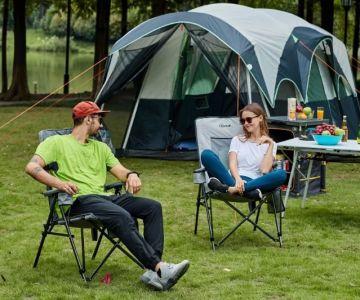 Sleepers Guide for US Campers: Expert Tips, Gear Recommendations, and Pro Advice
Discover expert advice, gear recommendations, and pro tips for US campers. Learn how to choose the best sleepers, including sleeping bags, pads, and air mattresses, for a comfortable night's sleep on your camping adventure.
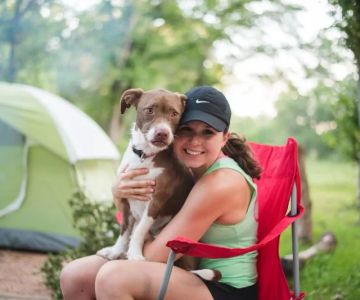 Camp With Dogs Safely: Expert Advice, Gear Recommendations, and Pro Tips
Learn how to camp with dogs safely with expert advice, gear recommendations, and pro tips. Discover the best camping gear for dogs and helpful safety strategies for a fun and comfortable outdoor experience.
Categories
Popular Camping Sites
 Still Waters Edge Retreat5.0 (37 reviews)
 Flat Mountain Arm North3.0 (2 reviews)
 Hills Rv Park4.0 (4 reviews)
 Camp Liahona at the Michaux4.0 (26 reviews)
 Round Lake Campground4.0 (88 reviews)
 D & W Lake Camping & RV Park4.0 (535 reviews)
Most Searched Camping Sites
driftstone on the delaware pawhitetail ridge campground gadreamland rv parkhighland haven airstream parkcabins neah bayozette wa campingafterbay south campgroundproud lake rec area - modern campgroundgermanton park nclangohr springs campgroundbuck creek state park group campemerald acres campground iielk plain campgroundalder lake park eatonvillecountry oaks campground & rv parkfishtrap camping and rv resortperry landing campground and rv park llckeystone lake camping sitesiola campinghuskins branch campground
Trending Camping Blog Posts
 10 Must-Visit Campgrounds in the Midwest for Your Next Outdoor Adventure
 Romantic Camping Spots for Couples: Perfect Getaways in Nature
 Ultimate Guide to Off the Grid Camping in Remote Locations
 How to Cook Over a Campfire Safely for an Enjoyable Outdoor Experience
 Vanlife in Winter: My Personal Experience Living on the Road
 From City to Camp: My Journey to Nature and What I Learned