
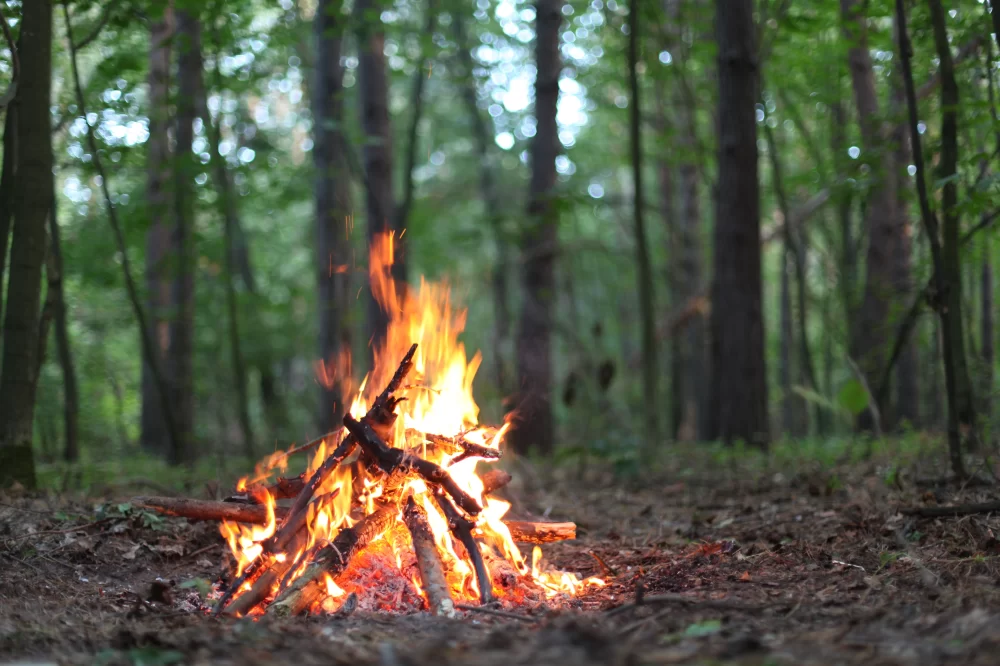
Why Camp During Wildfire Season?
Camping during wildfire season may seem like a risky idea, but for many avid campers, the thrill of connecting with nature in its rawest form is worth the challenge. Wildfires are a natural part of many ecosystems, particularly in places like California, Colorado, and the Pacific Northwest, and while they can pose significant risks, camping during these times doesn't have to be dangerous if you take the proper precautions.
For those who are keen to continue camping despite the risk, knowing how to camp during wildfire season can help ensure a safe and enjoyable experience. As the wildfire season gets longer in many parts of the U.S. due to climate change, understanding how to safely camp in areas affected by fire season becomes more critical than ever. Here’s a guide to help you plan your camping trip while staying safe during wildfire season.
Understanding Wildfire Season
Wildfire season generally spans from late spring to early fall, with peak activity occurring during the summer months, particularly in areas prone to hot and dry conditions. Wildfires can be ignited by natural causes, such as lightning, or by human activity, such as campfires left unattended or discarded cigarette butts.
Wildfires can spread quickly, driven by wind and dry conditions, and may affect vast areas of land. Smoke from wildfires can travel hundreds of miles, affecting air quality and visibility. Understanding the risks associated with wildfire season is crucial for those planning to camp in affected areas.
Planning Your Camping Trip
When planning a camping trip during wildfire season, it’s important to stay informed about current fire conditions. The first step is to check for any fire bans, advisories, or warnings in the area you plan to visit. Many national parks and campgrounds in wildfire-prone regions have specific regulations during fire season, such as no open flames or campfires.
1. Research the Area
Before heading out, check local fire maps, weather conditions, and government websites for updates on wildfire activity in the region. Some online resources, such as InciWeb or local wildfire agencies, provide real-time fire alerts, maps, and evacuation notices that are crucial for planning your trip safely.
2. Be Flexible
Wildfires can occur unexpectedly, and conditions may change quickly. Make sure you have backup options in case your planned campsite is closed or unsafe. Having alternative campsites in nearby areas will give you flexibility and peace of mind.
3. Avoid High-Risk Areas
If you're planning to camp in a known wildfire-prone area, avoid campsites in dense forests or near dry grasslands during peak fire season. Opt for campgrounds that are located in areas with better fire management systems, and be aware of evacuation routes and emergency contacts in case you need to leave in a hurry.
Wildfire Safety Tips for Campers
Campers must prioritize safety when it comes to wildfire season. Here are some essential wildfire safety tips to keep in mind:
1. Check for Fire Bans and Restrictions
Always check if there are any fire bans in effect in the area you plan to camp. Many areas with high wildfire risks will have fire bans in place during the dry season. These restrictions can include prohibiting open campfires, charcoal grilling, or using fire pits.
2. Use Safe Cooking Methods
If campfires are allowed, always follow safety guidelines when cooking. Use designated fire rings or stoves, and never leave a fire unattended. Always have water or a fire extinguisher nearby to quickly put out any flames if necessary.
3. Keep Your Campsite Clean
Keep your campsite clean and free of excess wood, dry leaves, or trash that can easily catch fire. Discard cigarette butts properly, and avoid starting fires in windy conditions.
4. Pack Fire Safety Gear
Pack fire safety equipment, such as a shovel, bucket of water, or fire extinguisher, especially if you plan to camp in areas where fires are permitted. This will give you the tools you need to put out a fire quickly and safely if needed.
Choosing the Right Campsite
Choosing the right campsite is essential when camping during wildfire season. Some campsites are safer than others, particularly if they are situated in open areas with minimal dry vegetation and surrounded by natural firebreaks like rivers or roads.
1. Opt for Open Spaces
Look for campsites in open areas with less dense vegetation. These spaces are less likely to catch fire quickly, providing an added layer of safety. Campsites near rivers or lakes are also a good choice, as they offer natural barriers against the spread of wildfires.
2. Avoid High-Risk Zones
Avoid camping in areas that are currently experiencing high fire danger or where there are reports of ongoing wildfires. Many campgrounds will close during high-risk periods to prevent potential dangers, so always check the current status before arriving.
3. Look for Campgrounds with Fire Management Systems
Some campgrounds are specifically designed with fire management in mind. These sites may have established firebreaks, fire-safe zones, and better access to firefighting resources. Look for campgrounds that prioritize wildfire prevention and have clear evacuation plans.
What to Do if You Encounter a Wildfire
If you encounter a wildfire during your camping trip, it's essential to know how to react quickly to ensure your safety:
1. Stay Calm and Assess the Situation
If you see smoke or hear reports of a wildfire nearby, stay calm and gather information. Check official fire reports, listen for evacuation orders, and assess the direction of the wind. If the fire seems to be approaching, don’t wait—evacuate immediately.
2. Follow Evacuation Routes
If you are in an area under evacuation, follow established routes and do not attempt shortcuts. Take all your essential gear and leave quickly and safely. Be mindful of other campers and hikers in the area.
3. Stay Informed
Use your phone or a battery-powered radio to stay updated on fire reports and evacuation instructions. Some apps provide real-time updates on wildfire locations and evacuation zones, so make sure you’re prepared with the right tools to stay informed.
Camping Gear for Wildfire Season
When camping during wildfire season, having the right gear is critical to staying safe. Here are some items you should bring:
1. Fire-Resistant Tent
Consider investing in a fire-resistant tent made from materials that can withstand sparks and embers. While no tent is completely fireproof, fire-resistant tents are designed to slow the spread of fire and provide extra time to evacuate.
2. Smoke Mask and Air Filtration
If you're camping during a smoky season, packing a smoke mask or air filtration system can help protect your lungs from harmful smoke inhalation. These can be particularly helpful when smoke levels are high in the area.
3. Portable Water Purification System
Since wildfires can affect water sources, it’s important to have a portable water purification system. This ensures you’ll have access to safe drinking water, even if local water supplies are contaminated by fire-related debris.
Conclusion
Camping during wildfire season can be a safe and enjoyable experience if you take the necessary precautions. By staying informed, choosing the right campsite, and following fire safety guidelines, you can ensure that your outdoor adventure remains fun and free from danger. Be sure to monitor fire conditions, pack the right gear, and always have an evacuation plan in case of emergencies. For more expert advice on camping during wildfire season, visit Camping Rural for the best camping products and safety equipment.
 Whet Rock Campsite0.0 (0 reviews)
 Jericho Gateway Family Campground4.0 (45 reviews)
 Meditation Point (Timothy Lake) Campground4.0 (28 reviews)
 Upper Blue Lake Dam Site Campground4.0 (9 reviews)
 Salmen Scout Reservation4.0 (44 reviews)
 Crescent Lake5.0 (1 reviews)
 10 Must-Visit Campgrounds in the Midwest for Your Next Outdoor Adventure
 Romantic Camping Spots for Couples: Perfect Getaways in Nature
 Ultimate Guide to Off the Grid Camping in Remote Locations
 How to Cook Over a Campfire Safely for an Enjoyable Outdoor Experience
 Vanlife in Winter: My Personal Experience Living on the Road
 From City to Camp: My Journey to Nature and What I Learned