
- Understanding Remote Cultural Heritage Sites
- Preparing for Camping in Heritage Sites
- Respecting Cultural Values and Environment
- Practical Tips for Camping in Remote Sites
- Real-Life Experience of Camping in Cultural Heritage Sites
- Finding the Right Gear and Support
1. Understanding Remote Cultural Heritage Sites
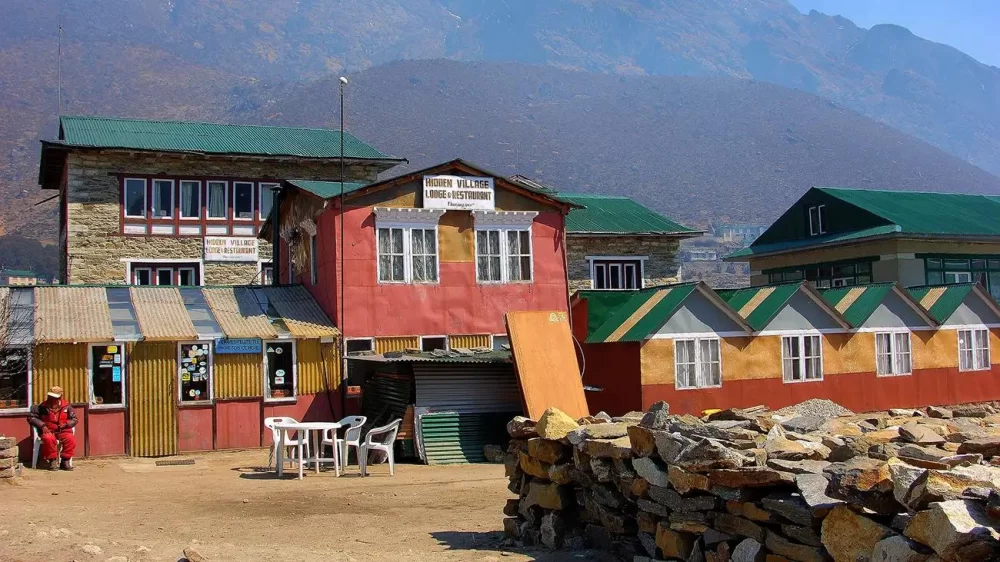
Remote cultural heritage sites are often places rich with historical significance and traditional value. These areas are usually protected due to their archaeological, architectural, or spiritual importance. Camping in such sites offers a unique way to connect deeply with the past and local culture, but it requires a heightened sense of responsibility. Understanding the significance of these sites is crucial before planning any camping trip. This knowledge not only enriches your experience but also ensures that your visit contributes positively to the preservation of these treasures.
For example, many indigenous sacred lands or ancient ruins are remote and not equipped for tourists, which means camping there requires careful planning and respect for local customs and regulations. These sites are often sensitive ecosystems as well, so campers must be mindful of their impact on both cultural artifacts and natural surroundings.
1.1 Historical and Cultural Significance
Each remote heritage site has a unique story—whether it is an ancient settlement, a traditional ceremonial ground, or a landmark with historical battles. Engaging with these stories enhances your appreciation and encourages respectful behavior during your stay. Before camping, researching the cultural narratives related to your destination is essential.
1.2 Legal and Ethical Considerations
Many remote heritage sites are protected by national or international laws that regulate human activities, including camping. Violating these rules can result in fines or damage to irreplaceable cultural assets. Checking with local authorities or cultural preservation organizations is a must to obtain permissions and guidelines.
2. Preparing for Camping in Heritage Sites
Proper preparation is key to a successful and respectful camping experience in remote cultural heritage areas. This preparation involves both logistical planning and mental readiness to respect the cultural environment.
2.1 Research and Planning
Start by gathering detailed information about the site—its location, climate, terrain, and cultural significance. Look for travel advisories, weather forecasts, and camping restrictions. Many cultural heritage sites have limited access or seasonal closures to protect the environment, so timing your trip accordingly is important.
2.2 Permits and Permissions
Securing necessary permits is not only a legal requirement but also a gesture of respect toward the caretakers of these heritage sites. Some places require advance booking or guided tours, which can enhance your experience through expert insights.
2.3 Packing Essentials and Equipment
Camping in remote locations demands reliable gear. Lightweight, durable tents and camping supplies suited for rough terrain and changing weather are essential. Consider eco-friendly products to minimize environmental impact. Portable water filters, solar-powered chargers, and biodegradable toiletries are highly recommended.
3. Respecting Cultural Values and Environment
Camping in remote cultural heritage sites is not just about survival skills but about embracing a respectful attitude toward the culture and nature around you.
3.1 Cultural Sensitivity
Always observe local customs and traditions. Avoid touching or disturbing artifacts and sacred sites. Engage with local communities when possible, listening and learning from their stories and guidance. This not only enriches your experience but also builds mutual respect.
3.2 Environmental Responsibility
Follow Leave No Trace principles diligently. This includes disposing of waste properly, avoiding fire damage, and preserving the natural flora and fauna. These sites often have fragile ecosystems that can be easily disrupted by careless camping practices.
4. Practical Tips for Camping in Remote Sites
Here are actionable recommendations to ensure your camping adventure in cultural heritage sites is safe, comfortable, and respectful.
4.1 Safety First
Remote sites can present hazards like wildlife encounters, extreme weather, or limited emergency services. Always inform someone about your itinerary, carry a GPS device, and have a basic first aid kit. Know the local wildlife and how to avoid conflicts.
4.2 Minimal Impact Camping
Choose existing campsites or durable surfaces to set up your tent. Avoid digging or altering the landscape. Use camp stoves instead of open fires when possible to reduce risk.
4.3 Time Your Stay
Limit your camping duration to reduce environmental stress and avoid disturbing cultural events or ceremonies that may occur on-site.
5. Real-Life Experience of Camping in Cultural Heritage Sites
Take the story of Sarah, a traveler who camped near a remote ancient village in Peru. She prepared extensively by learning about the local Quechua culture and obtained permits from community leaders. Sarah’s experience was transformative—not only did she enjoy the breathtaking Andean landscape, but she also participated in traditional rituals and helped with site cleanups organized by the locals. Her respect and preparation made her stay meaningful and welcomed.
This example illustrates how camping in such sites can go beyond recreation to become a cultural exchange that benefits both visitor and host community.
6. Finding the Right Gear and Support
Choosing appropriate camping equipment is vital for a comfortable and respectful stay in remote cultural heritage sites. Look for specialized gear that is lightweight, durable, and eco-friendly. If you need expert advice or want to find reliable suppliers, Camping Rural offers a curated selection of camping products and services tailored for such unique outdoor adventures.
Camping Rural can also connect you with experienced guides familiar with cultural heritage areas, ensuring your trip is safe, respectful, and enriching. Their expertise can help navigate permit processes and provide insider tips that you won’t find elsewhere.
 Butternut Cabin, PATC0.0 (0 reviews)
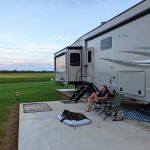 Coastal Paradise RV Resort4.0 (20 reviews)
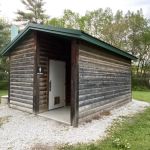 Arrowhead Campground 20.0 (0 reviews)
 Pioneer Acres3.0 (107 reviews)
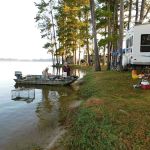 Flat Creek Marina and RV Camping4.0 (163 reviews)
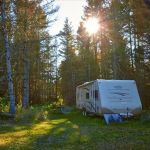 Spruce Hollow Campground4.0 (43 reviews)
 10 Must-Visit Campgrounds in the Midwest for Your Next Outdoor Adventure
 Romantic Camping Spots for Couples: Perfect Getaways in Nature
 Ultimate Guide to Off the Grid Camping in Remote Locations
 How to Cook Over a Campfire Safely for an Enjoyable Outdoor Experience
 Vanlife in Winter: My Personal Experience Living on the Road
 From City to Camp: My Journey to Nature and What I Learned