
- understanding-different-camping-tent-designs-dome-vs-cabin
- space-and-comfort-needs-for-real-camping-scenarios
- weather-performance-and-seasonal-conditions
- setup-portability-and-camping-style
- real-world-examples-and-buying-advice
Understanding Dome Tents and Cabin-Style Tents in Real Camping Use
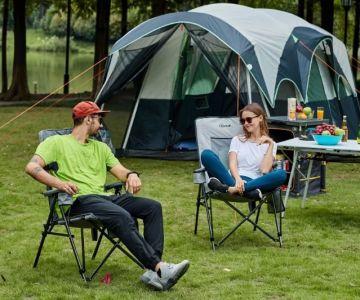
When campers start researching how to choose between a dome tent and a cabin-style tent, the decision usually goes deeper than appearance. These two tent designs represent very different camping philosophies. Dome tents are built for flexibility and efficiency, while cabin-style tents focus on livability and comfort at camp.
Many first-time campers assume that bigger automatically means better, but experienced campers often disagree. The right choice depends on where you camp, how long you stay, and what kind of experience you want once the tent is set up.
1. Structural Design and Practical Purpose
Dome tents rely on intersecting poles that distribute tension evenly. This curved structure helps them handle wind and rain more effectively. Cabin-style tents, by contrast, use near-vertical walls supported by straight poles, creating a room-like interior that feels closer to sleeping indoors.
2. Who Each Tent Style Is Really For
Dome tents are often favored by campers who move locations frequently or camp in varied environments. Cabin tents appeal more to families or groups who stay in one place and value interior space over mobility.
Space, Comfort, and Daily Living Inside the Tent
Interior comfort is often the deciding factor when people compare dome tents and cabin-style tents. Standing height, floor layout, and usable space can dramatically change how enjoyable a trip feels, especially during multi-day stays.
1. Living Space During Long Trips
Cabin-style tents excel when campers expect to spend downtime inside. Families frequently share stories online about rainy weekends where vertical walls allowed kids to play games and adults to organize gear without feeling cramped.
2. Space Efficiency Versus Raw Size
Dome tents may offer less headroom, but their sloped walls often make better use of limited campsite space. Solo campers and couples often find that a well-designed dome tent feels more efficient than a larger cabin tent.
Weather Performance and Seasonal Reliability
Weather is where the practical differences between tent styles become most obvious. Campers who have experienced unexpected storms tend to have strong opinions on this topic.
1. Wind, Rain, and Stability
Dome tents generally perform better in windy conditions due to their aerodynamic shape. Several viral camping forum discussions highlight how dome tents remained stable during sudden storms while nearby cabin tents required additional guy lines or repositioning.
2. Ventilation and Summer Comfort
Cabin-style tents often include larger windows and mesh panels, improving airflow during hot summer trips. This makes them popular at established campgrounds where weather is predictable and shade is available.
Setup Time, Portability, and Camping Habits
How you camp matters just as much as where you camp. Setup time, packed size, and overall weight should align with your camping routine.
1. Ease of Assembly
Modern cabin tents are easier to assemble than they once were, but they still require more space and time than most dome tents. Campers arriving late at night often appreciate the faster setup dome tents provide.
2. Transportation and Storage
Dome tents typically pack smaller and weigh less, making them suitable for compact vehicles or mixed-use trips. Cabin tents often require larger storage space, which is less convenient for spontaneous travel.
Real Camping Experiences and Practical Buying Advice
One widely shared story from a national park camper described switching from a large cabin tent to a mid-sized dome tent after struggling with wind and limited campsite space. The change resulted in faster setups and less stress, even though interior space was reduced.
1. Matching the Tent to Your Lifestyle
Families with children, pets, or extended stays often appreciate the room and comfort of cabin-style tents. Weekend campers, road trippers, and those exploring varied terrain usually benefit more from dome tents.
2. Finding Reliable Gear and Support
Campers looking for trustworthy recommendations often turn to Camping Rural for tent options, camping gear insights, and services suited to different camping styles. Having access to curated products can make choosing between a dome tent and a cabin-style tent far less overwhelming.

 Tryon Glamping5.0 (3 reviews)
 The Shelters Butler Mill4.0 (7 reviews)
 South Joe River Chickee5.0 (6 reviews)
 Halls Valley Campground5.0 (3 reviews)
 Elk Creek Retreat5.0 (2 reviews)
 Coyote Cove4.0 (4 reviews)
 10 Must-Visit Campgrounds in the Midwest for Your Next Outdoor Adventure
 Romantic Camping Spots for Couples: Perfect Getaways in Nature
 Ultimate Guide to Off the Grid Camping in Remote Locations
 How to Cook Over a Campfire Safely for an Enjoyable Outdoor Experience
 Vanlife in Winter: My Personal Experience Living on the Road
 From City to Camp: My Journey to Nature and What I Learned