
- why-clean-camping-gear-matters-when-laundry-isnt-an-option
- understanding-dirt-odors-and-bacteria-in-the-outdoors
- cleaning-clothing-and-fabrics-with-limited-water
- how-to-clean-sleeping-bags-tents-and-packs-in-the-field
- real-camping-stories-from-extended-trips-off-grid
- drying-and-storing-gear-to-prevent-mildew-and-smells
- building-a-simple-cleaning-routine-for-longer-trips
Why Clean Camping Gear Matters When Laundry Isn’t an Option
Anyone who has spent more than a few days outdoors knows how quickly gear can start to smell, feel grimy, or lose performance. Learning how to clean your camping gear without access to laundry facilities isn’t just about comfort. Dirt, sweat, and moisture can break down fabrics, reduce insulation, and even attract insects or wildlife.
Clean gear also keeps trips safer and more enjoyable. A sleeping bag that no longer insulates or clothing that traps bacteria can turn an adventure into an uncomfortable experience much faster than most people expect.
Understanding Dirt, Odors, and Bacteria in the Outdoors
Outdoor grime is different from everyday dirt. Sweat mixes with dust, smoke, food residue, and natural oils, creating stubborn odors and buildup.
1. Sweat and Salt Residue
Salt from sweat stiffens fabrics and traps odors. Even lightweight rinsing can help remove this buildup before it sets in.
2. Moisture and Mildew Risks
Damp gear is the biggest enemy on extended trips. Mildew forms quickly when items are packed wet, especially in warm weather.
3. Environmental Contaminants
Campfire smoke, pine sap, and mud require different approaches than typical household stains, especially without machines or detergents.
Cleaning Clothing and Fabrics With Limited Water
When figuring out how to clean your camping gear without access to laundry facilities, clothing is usually the first concern.
1. Spot Cleaning Instead of Full Washing
Focusing on high-contact areas like collars, underarms, and waistbands saves water and effort while making a noticeable difference.
2. Using Biodegradable Soap Sparingly
A small amount of biodegradable soap mixed with water can clean effectively. Rinse thoroughly and away from natural water sources.
3. Agitation by Hand
Gently rubbing fabric against itself or using a soft brush helps loosen dirt without damaging fibers.
How to Clean Sleeping Bags, Tents, and Packs in the Field
Larger items require a lighter touch but still benefit from regular maintenance.
1. Airing Out Daily
Simply hanging sleeping bags and tents in sunlight reduces odor and moisture buildup significantly.
2. Removing Surface Dirt First
Brushing off dried mud and debris prevents grime from working deeper into fabrics.
3. Targeted Cleaning for High-Wear Areas
Pack straps, tent floors, and sleeping bag hoods collect the most oils and dirt. Cleaning these areas extends gear lifespan.
Real Camping Stories From Extended Trips Off-Grid
One long-distance hiker shared that on a two-week backcountry trip, daily airing and weekly spot cleaning kept clothing wearable far longer than expected. Without access to laundry facilities, this simple routine prevented skin irritation and gear damage.
Another camper on a remote rural site described how neglecting to dry a tent properly led to mildew within days. After changing habits, the problem never returned, even on longer stays.
Drying and Storing Gear to Prevent Mildew and Smells
Cleaning doesn’t end with washing. Drying is equally important when managing gear outdoors.
1. Maximizing Airflow
Spread items out whenever possible. Even partial drying dramatically reduces odor and bacterial growth.
2. Avoiding Long-Term Compression
Stuffing damp gear into tight bags traps moisture. Looser packing protects fabric and insulation.
3. Rotating Items When Possible
Alternating clothing or gear use gives items time to dry fully between uses.
Building a Simple Cleaning Routine for Longer Trips
Knowing how to clean your camping gear without access to laundry facilities is really about consistency rather than deep cleaning. Small daily habits prevent major problems.
Campers who prepare with minimal cleaning supplies and realistic routines often find their gear lasts longer and feels better throughout the trip. Resources like Camping Rural frequently highlight practical gear care strategies and products suited for extended outdoor stays.
With thoughtful care, even remote trips without modern conveniences can stay comfortable. Clean gear doesn’t require machines, just awareness, timing, and a bit of effort each day.

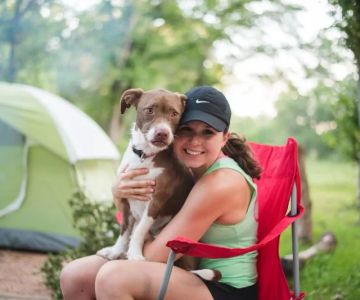
 Lazy Loon Campground4.0 (5 reviews)
 Skyline Mobile Home Park2.0 (46 reviews)
 Southfork Mobile Home Park4.0 (42 reviews)
 A & B RV & Mobile Home3.0 (48 reviews)
 Hiawassee Camping4.0 (3 reviews)
 Knebal Springs Campground4.0 (14 reviews)
 10 Must-Visit Campgrounds in the Midwest for Your Next Outdoor Adventure
 Romantic Camping Spots for Couples: Perfect Getaways in Nature
 Ultimate Guide to Off the Grid Camping in Remote Locations
 How to Cook Over a Campfire Safely for an Enjoyable Outdoor Experience
 Vanlife in Winter: My Personal Experience Living on the Road
 From City to Camp: My Journey to Nature and What I Learned