- choose-the-right-food-types
- effective-packing-methods-to-extend-freshness
- meal-planning-for-multi-day-trips
- smart-tools-and-containers-to-use
- real-campers-stories-and-tested-hacks
- where-to-find-ideal-products-for-no-fridge-camping
1. Choose the Right Food Types
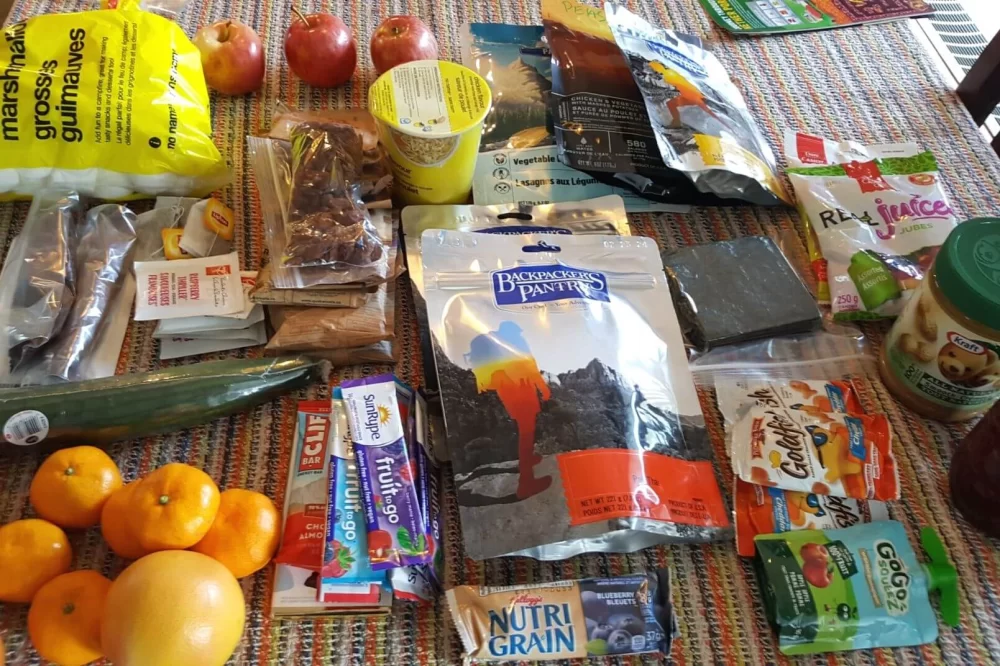
When figuring out how to pack food for camping without a fridge, your first step is selecting the right ingredients. Not all foods are created equal in the wild. Shelf-stable items like dehydrated meals, canned beans, vacuum-sealed meats, nuts, and hard cheeses are not only compact but also resistant to spoilage. Whole fruits like apples and oranges travel well, and vegetables like carrots or bell peppers last longer without refrigeration.
Tip: Go for high-protein, calorie-dense options that don’t need special care. For example, foil-pack tuna and peanut butter packs are excellent staples. These will not only stay fresh but provide lasting energy for hiking and other activities.
2. Effective Packing Methods to Extend Freshness
Packaging can make or break your camping food experience. Air exposure and moisture are your biggest enemies. Use zip-lock bags, vacuum-sealed packs, or even beeswax wraps to keep food dry and compact. Consider organizing meals by day and labeling them for quick access and less food waste.
Layering is another technique—store heavier, durable foods at the bottom and lighter, more delicate items on top. Use insulated bags with ice packs for the first 24 hours of camping if needed. Once those perishables are used, switch fully to shelf-stable meals.
If you're reusing jars or containers, sterilize them beforehand. Food-grade silicone bags are another modern, reusable solution many experienced campers now rely on.
3. Meal Planning for Multi-Day Trips
Packing food for a two-day hike is vastly different from a five-day wilderness trek. Begin by breaking your meals into categories: breakfasts, lunches, dinners, and snacks. Breakfast might include instant oatmeal or granola bars. Lunches can be wraps with nut butter or cured meats. Dinners could range from rehydrated chili to pasta with pre-cooked sauces sealed in mylar bags.
Day-by-day planning helps you avoid overpacking while ensuring each meal has a good balance of carbs, proteins, and fats. Don’t forget drinks—powdered drink mixes, tea bags, and instant coffee travel well and add morale-boosting variety.
Pro tip: On longer trips, include a "luxury meal" for a morale boost—a pre-packed dessert or a comfort food item like instant pudding mix.
4. Smart Tools and Containers to Use
The right gear makes food packing far more manageable. Collapsible containers save space, while stackable tins keep food from getting squished. Use silicone squeeze bottles for condiments like hot sauce or olive oil. Don’t overlook simple tools: a sturdy spoon, sharp camping knife, and compact cutting board make meal prep easy.
Some campers swear by bear-resistant canisters, which are also helpful in keeping food organized. Dry bags and mesh produce sacks also allow ventilation for foods like potatoes or onions.
Want gear suggestions tailored to your trip? Check out Camping Rural for practical tools that seasoned campers rely on when a fridge just isn’t an option.
5. Real Campers’ Stories and Tested Hacks
Lisa, a solo hiker from Colorado, swears by her “day one freezer pack.” She freezes a homemade pasta meal, wraps it in newspaper, and lets it thaw slowly over the first 24 hours. By dinner, it’s ready to reheat and eat. Another camper, James, uses small glass jars for overnight oats—soaking oats in powdered milk mixed with water the night before. He stores the jars in a shaded stream to keep them cool.
One of the most creative solutions came from a group in Arizona who used their car hood, wrapped in foil, to cook sunny-side-up eggs in the morning. No fridge? No problem—improvisation is the name of the game.
These stories prove there’s no one right way to camp without a fridge. The key is learning from others and trying new techniques yourself.
6. Where to Find Ideal Products for No-Fridge Camping
Packing food for camping without a fridge is completely doable with the right preparation and supplies. If you’re wondering where to find vacuum-sealed meals, heat-retaining containers, or even fireless cooking kits, Camping Rural offers a curated selection of trusted outdoor products. Whether you’re planning a weekend hike or a week-long adventure, you'll find what you need there to make your meals simple, safe, and delicious—even without a fridge.
Start by reviewing your trip length, location, and dietary needs. Then browse products that match those parameters. It saves you time, reduces packing stress, and gives you peace of mind knowing your meals are ready when hunger strikes out in the wild.
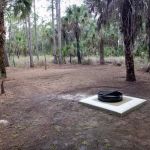 Whet Rock Campsite0.0 (0 reviews)
 Jericho Gateway Family Campground4.0 (45 reviews)
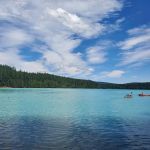 Meditation Point (Timothy Lake) Campground4.0 (28 reviews)
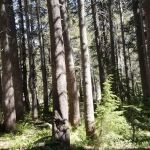 Upper Blue Lake Dam Site Campground4.0 (9 reviews)
 Salmen Scout Reservation4.0 (44 reviews)
 Crescent Lake5.0 (1 reviews)
 10 Must-Visit Campgrounds in the Midwest for Your Next Outdoor Adventure
 Romantic Camping Spots for Couples: Perfect Getaways in Nature
 Ultimate Guide to Off the Grid Camping in Remote Locations
 How to Cook Over a Campfire Safely for an Enjoyable Outdoor Experience
 Vanlife in Winter: My Personal Experience Living on the Road
 From City to Camp: My Journey to Nature and What I Learned