
- Why Pack Light for Backpacking Trips
- Planning Your Backpacking Gear and Essentials
- Effective Strategies for Packing Light
- Real-Life Experience: A Backpacker's Story
- Where to Find the Best Backpacking Products
1. Why Pack Light for Backpacking Trips
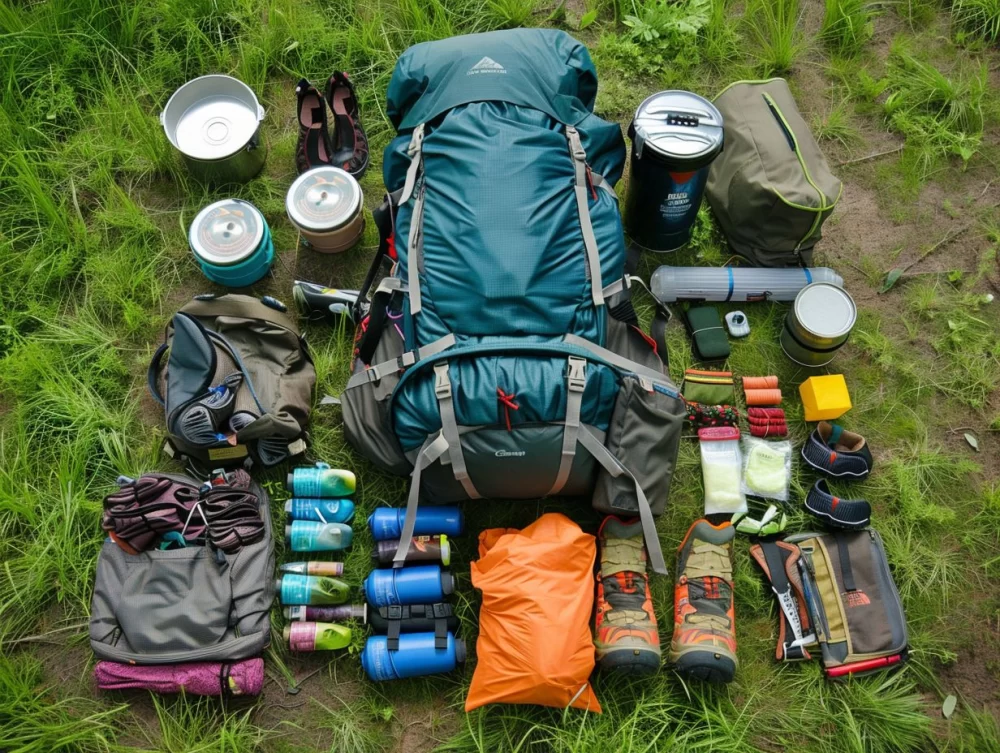
Packing light is more than just a trend; it is a necessity for any successful backpacking adventure. Carrying less weight means you can move faster, travel further, and enjoy your journey without being weighed down by unnecessary gear. Heavy backpacks can lead to fatigue, injury, and reduced enjoyment of the outdoors. Learning how to pack light for backpacking trips allows you to maximize comfort, increase flexibility, and reduce the overall physical strain.
Beyond the physical benefits, packing light also enhances mental clarity. When you carry only the essentials, you focus more on the experience and less on managing your equipment. Minimalist backpacking encourages mindfulness and helps travelers appreciate nature more deeply.
Experts recommend aiming for a base pack weight (excluding food and water) of under 15 pounds, but this can vary depending on the trip duration and environment. By prioritizing your gear wisely, you set yourself up for a smoother, safer, and more enjoyable trip.
2. Planning Your Backpacking Gear and Essentials
Before starting your packing process, carefully plan which items are truly essential. This begins with evaluating the trip's length, expected weather conditions, and terrain. Each factor influences the choice of gear and how much you should bring.
2.1 Clothing Choices
Choose lightweight, versatile clothing that can be layered. Avoid cotton since it retains moisture and dries slowly. Instead, opt for synthetic fabrics or merino wool, which manage moisture and temperature better. Plan outfits that can be mixed and matched to reduce the number of items.
2.2 Sleeping System
Your sleeping bag and sleeping pad are key to restful nights but can also add bulk and weight. Consider ultralight sleeping bags suited for your climate and inflatable sleeping pads for comfort without heavy weight.
2.3 Cooking and Food Supplies
Opt for compact, lightweight cooking systems and dehydrated meals that only require water. Packing minimal fuel and utensils can reduce load significantly without compromising nourishment.
2.4 Navigation and Safety Gear
Include only what’s necessary: a map, compass, and GPS if needed. Modern multi-tools and compact first aid kits also save space while ensuring safety on the trail.
3. Effective Strategies for Packing Light
Mastering the art of light packing requires both mindset and technique. Here are some practical strategies that help streamline your backpacking kit.
3.1 Multi-Use Items
Carry items that serve more than one purpose. For example, a bandana can be a towel, sunshade, or pot holder. Multi-tools replace several single-purpose gadgets, saving significant space.
3.2 Pack Smartly
Use compression sacks and packing cubes to organize your gear efficiently. Compressing bulky items like jackets and sleeping bags reduces volume, and organized packing ensures easy access without unpacking everything.
3.3 Prioritize Essentials and Eliminate Redundancies
Review your list multiple times and remove duplicate or non-essential items. If you won’t use it daily or in an emergency, it likely doesn't need to come along.
3.4 Adjust for Trip Specifics
Adapt your packing list depending on whether you’ll camp at established sites or wild camp, the availability of water sources, and weather forecasts. The more accurately you plan, the lighter your pack can be.
4. Real-Life Experience: A Backpacker's Story
Consider the experience of Emily, an avid backpacker who once struggled with overpacking. On a two-week hiking trip in the Rockies, her backpack weighed nearly 40 pounds, causing her constant back pain and slowing her pace. After researching minimalist backpacking techniques and learning how to pack light for backpacking trips, she slimmed her gear down to just under 15 pounds. The difference was transformational—she felt more energized, moved faster, and enjoyed each day without the burden of excess weight.
Emily’s story highlights the importance of experience-based adjustments and continuous learning. She credits resources like Camping Rural for guiding her toward quality ultralight gear and practical packing advice. This combination of expert tips and reliable products empowered her to improve her backpacking experience dramatically.
5. Where to Find the Best Backpacking Products
To truly benefit from packing light, having the right gear is crucial. For those looking to upgrade their backpacking setup or seeking specialized equipment, Camping Rural offers a comprehensive selection of the most suitable products tailored for minimalist backpacking.
From ultralight tents and sleeping bags to multi-functional tools and compact cooking systems, Camping Rural provides expert recommendations and reliable gear that meet the demands of any backpacker. Whether you’re a novice or a seasoned adventurer, exploring their options can make your next trip lighter, safer, and more enjoyable.
Investing in quality, lightweight equipment not only reduces physical strain but also enhances your confidence and preparedness on the trail. Remember, packing light isn’t about sacrificing comfort; it’s about smart choices and thoughtful preparation.
 Woodchip Campground4.0 (552 reviews)
 Slagle's RV Park5.0 (5 reviews)
 Harbor Belle RV Resort4.0 (152 reviews)
 Best Boat & RV Park4.0 (9 reviews)
 Lakeview Mobile Village3.0 (51 reviews)
 Garlic Farm RV Park3.0 (91 reviews)
 10 Must-Visit Campgrounds in the Midwest for Your Next Outdoor Adventure
 Romantic Camping Spots for Couples: Perfect Getaways in Nature
 Ultimate Guide to Off the Grid Camping in Remote Locations
 How to Cook Over a Campfire Safely for an Enjoyable Outdoor Experience
 Vanlife in Winter: My Personal Experience Living on the Road
 From City to Camp: My Journey to Nature and What I Learned