
- 1-how-to-plan-a-camping-trip-around-rare-wildlife-sightings-#how-to-plan-a-camping-trip-around-rare-wildlife-sightings
- 2-understanding-wildlife-migration-patterns-before-you-go-#understanding-wildlife-migration-patterns-before-you-go
- 3-choosing-the-right-camping-location-and-season-#choosing-the-right-camping-location-and-season
- 4-preparing-for-safety-ethics-and-wildlife-respect-#preparing-for-safety-ethics-and-wildlife-respect
- 5-real-experience-story-camping-during-elk-migration-#real-experience-story-camping-during-elk-migration
- 6-essential-questions-to-ask-yourself-before-planning-#essential-questions-to-ask-yourself-before-planning
- 7-professional-resources-and-trip-support-from-camping-rural-#professional-resources-and-trip-support-from-camping-rural
1. How to Plan a Camping Trip Around Rare Wildlife Sightings (e.g., Elk Migration)
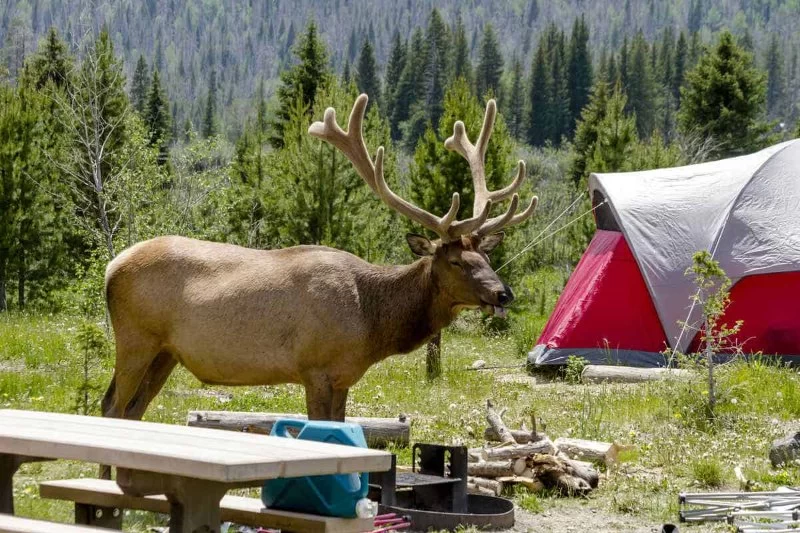
Planning a camping trip around rare wildlife sightings can turn an ordinary outdoor getaway into an unforgettable nature experience. Whether it’s the sound of elk bugling across a mountain valley or the sight of migrating herds moving through open meadows, these moments remind us why people fall in love with wilderness travel. But meaningful wildlife-focused camping requires more than luck — it calls for research, timing, patience, and respect for the animals you hope to witness.
Many travelers in the United States plan their trips around seasonal wildlife events such as elk migration, bison calving seasons, or bird migration routes. When approached thoughtfully, this kind of adventure blends education, conservation awareness, and responsible tourism — creating a journey that feels immersive rather than intrusive.
2. Understanding Wildlife Migration Patterns Before You Go
Every rare wildlife event is shaped by climate, terrain, and seasonal behavior. Learning how animals move — and why — helps you plan a trip that aligns with nature’s rhythms instead of working against them.
1. Research seasonal timing instead of fixed dates
Elk migration, for example, may shift slightly each year based on weather, food availability, and snow levels. Reports from wildlife agencies, park services, and local naturalists often provide more reliable insight than generic travel calendars.
2. Study habitat zones rather than single viewing points
Animals rarely follow straight paths. Understanding valleys, feeding corridors, and elevation changes increases your chance of observing wildlife naturally — from a safe and respectful distance.
3. Learn how human presence affects animal behavior
Responsible wildlife camping means avoiding crowd-like behavior, noise, or sudden movement that could disrupt migration patterns or stress animals.
3. Choosing the Right Camping Location and Season
Picking the ideal spot isn’t only about proximity to wildlife — it’s about safety, accessibility, and environmental stewardship. Some travelers prefer designated campgrounds near migration areas, while others choose backcountry sites to experience a quieter atmosphere.
1. Consider climate and terrain challenges
Elk migration often occurs in cooler mountain regions where temperatures can drop quickly. A well-planned camping trip accounts for gear, warmth, and trail conditions rather than assuming summer-style weather.
2. Look for regions with conservation-focused visitor guidance
Some U.S. regions provide viewing platforms or recommended observation areas that minimize ecological disturbance while still offering incredible viewing opportunities.
3. Balance adventure with personal comfort level
Not every wildlife experience requires rugged backpacking. Many travelers find meaningful encounters through scenic overlooks, roadside pull-offs, or light-hike access points — especially when traveling with families.
4. Preparing for Safety, Ethics, and Wildlife Respect
Witnessing rare wildlife is powerful — but safety always comes first. Ethical observation ensures both visitors and animals remain unharmed, preserving migration environments for years to come.
1. Maintain safe distance and avoid approaching animals
Even calm-appearing wildlife can react unpredictably, especially during migration when energy expenditure is high. Binoculars or cameras with zoom functions allow observation without intrusion.
2. Follow Leave No Trace principles
Pack out waste, avoid trampling vegetation, and keep campsites free of attractants that could alter wildlife behavior or feeding patterns.
3. Understand that patience often leads to the best moments
Wildlife sightings can take time — but quiet observation often results in the most authentic and memorable encounters.
5. Real Experience Story: Camping During Elk Migration
On a late-autumn trip to the Rocky Mountain region, a small camping group planned their stay around annual elk migration. Instead of chasing sightings, they focused on early-morning valley observation and sunset ridge overlooks. One evening, as the air turned crisp and calm, the sound of distant bugling echoed through the valley — followed by the sight of a migrating herd moving steadily across the meadow.
The group later shared that the moment felt less like “watching wildlife” and more like quietly witnessing a living ecosystem at work. That experience — grounded in patience and respect — became the highlight of their entire camping season.
6. Essential Questions to Ask Yourself Before Planning
Thoughtful planning begins with reflection rather than logistics alone.
1. Am I prepared for changing weather and terrain conditions?
Migration-area climates can shift quickly, making preparedness essential for safety and comfort.
2. Do my expectations align with nature’s unpredictability?
There is never a guarantee of sightings — and appreciating the journey matters just as much as the outcome.
3. How can I support conservation and responsible tourism?
Choosing ethical viewing practices ensures wildlife continues to thrive for future generations.
7. Professional Resources and Trip Support from Camping Rural
Planning a camping trip around rare wildlife sightings takes research, timing, and the right guidance. At Camping Rural, you can discover thoughtfully selected outdoor resources, gear recommendations, and travel insights that help you prepare for meaningful nature experiences while staying safe and respectful of wildlife habitats. If you’re looking for reliable support to plan your next wilderness adventure, Camping Rural offers helpful tools and curated suggestions to make your journey more informed and rewarding.
 Tryon Glamping5.0 (3 reviews)
 The Shelters Butler Mill4.0 (7 reviews)
 South Joe River Chickee5.0 (6 reviews)
 Halls Valley Campground5.0 (3 reviews)
 Elk Creek Retreat5.0 (2 reviews)
 Coyote Cove4.0 (4 reviews)
 10 Must-Visit Campgrounds in the Midwest for Your Next Outdoor Adventure
 Romantic Camping Spots for Couples: Perfect Getaways in Nature
 Ultimate Guide to Off the Grid Camping in Remote Locations
 How to Cook Over a Campfire Safely for an Enjoyable Outdoor Experience
 Vanlife in Winter: My Personal Experience Living on the Road
 From City to Camp: My Journey to Nature and What I Learned