
- 1. Choosing the Right Tent for Your Camping Trip
- 2. Essential Tools and Preparations for Tent Setup
- 3. Step-by-Step Tent Setup Guide
- 4. Common Mistakes to Avoid When Setting Up Your Tent
- 5. Why Shop at Camping Rural for Your Camping Gear
1. Choosing the Right Tent for Your Camping Trip
Before you even begin setting up your tent, the first step in camping like a pro is choosing the right tent for your needs. There are different types of tents depending on the size of your group, the weather, and the terrain. If you’re a beginner, it’s important to start with a simple, easy-to-pitch tent that’s suited to your trip.
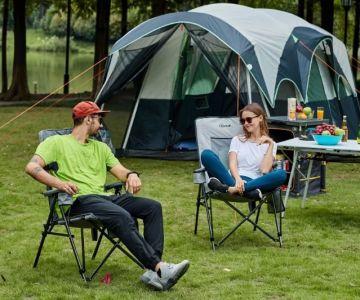
For solo campers, a 1-2 person tent is usually sufficient. If you’re camping with family or friends, you might want to consider a larger, multi-room tent that offers more space and comfort. Additionally, look for tents designed for specific weather conditions, such as waterproof tents for rainy climates or lightweight tents for warmer conditions.
2. Essential Tools and Preparations for Tent Setup
Setting up your tent requires more than just the tent itself. Make sure you have all the necessary tools and preparations before you start. Some essential items include:
- Ground tarp or footprint: Protects the bottom of your tent from dirt, moisture, and sharp objects.
- Tent stakes: Ensure your tent stays anchored in place, even in windy conditions.
- Mallet or hammer: Helps you drive stakes into the ground.
- Rain cover: If your tent doesn’t have one built-in, a rain cover will provide extra protection from the elements.
It’s also important to choose a campsite that is flat and clear of rocks and debris. A smooth, dry area will help ensure the stability of your tent and a comfortable night’s sleep.
3. Step-by-Step Tent Setup Guide
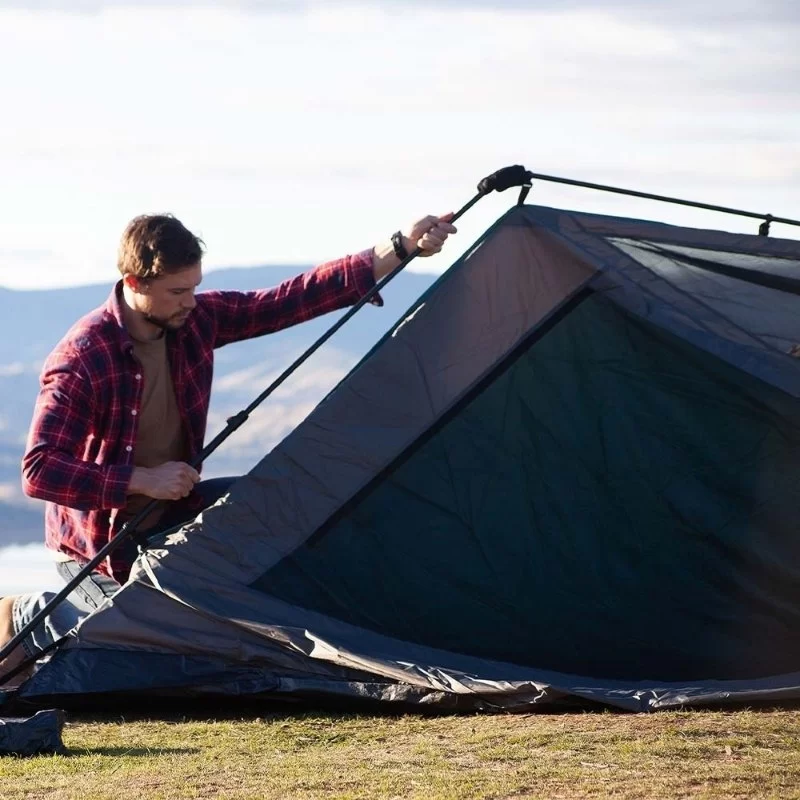
Setting up a tent is simple once you get the hang of it. Here’s a step-by-step guide to help you set up your tent like a pro:
- Find a flat and clean area: Choose a site that is level and free of any obstacles, such as rocks or tree roots.
- Unpack your tent: Lay out your tent on the ground and unroll it. Check for any damage before you proceed.
- Assemble the poles: Most modern tents come with color-coded poles. Insert them into the sleeves or clips of your tent, depending on the design.
- Attach the tent body to the poles: Once the poles are assembled, lift the tent body and attach it to the poles. Secure it by threading the clips or sleeves onto the poles.
- Secure the tent to the ground: Use the tent stakes to anchor the corners of your tent into the ground. Make sure the stakes are driven into the ground at a 45-degree angle for maximum stability.
- Attach the rainfly (if applicable): If your tent has a rainfly, place it over the tent and secure it with the provided hooks or straps. This will protect you from rain and keep the interior dry.
4. Common Mistakes to Avoid When Setting Up Your Tent
Even experienced campers can make mistakes when setting up a tent. Here are some common errors to avoid:
- Not staking the tent properly: Failing to stake your tent down can lead to it shifting or blowing away in windy conditions.
- Pitching the tent on uneven ground: This can make sleeping uncomfortable and increase the risk of your tent collapsing.
- Forgetting the ground tarp: Without a tarp, the bottom of your tent can become damaged, and moisture can seep in from the ground.
- Ignoring weather conditions: Always ensure your tent is appropriate for the climate. If you’re expecting rain, make sure you have a rainfly and a waterproof tent.
5. Why Shop at Camping Rural for Your Camping Gear
To ensure a successful camping trip, it’s important to invest in high-quality gear. At Camping Rural, we offer a wide range of camping products, including tents, camping furniture, cooking equipment, and more. Our gear is designed to help you enjoy the great outdoors with ease and comfort.
Whether you’re a beginner or a seasoned camper, you can find everything you need to set up your tent like a pro and make the most of your outdoor experience. Explore our collection and get the best camping products that suit your needs.
 Winchester MH 55+ Community4.0 (12 reviews)
 Swift Creek Campground4.0 (190 reviews)
 Oxbow Campground4.0 (20 reviews)
 Yankeeland RV Resort4.0 (112 reviews)
 Lake Frances Estates4.0 (17 reviews)
 Crystal Pointe Estates4.0 (15 reviews)
 10 Must-Visit Campgrounds in the Midwest for Your Next Outdoor Adventure
 Romantic Camping Spots for Couples: Perfect Getaways in Nature
 Ultimate Guide to Off the Grid Camping in Remote Locations
 How to Cook Over a Campfire Safely for an Enjoyable Outdoor Experience
 Vanlife in Winter: My Personal Experience Living on the Road
 From City to Camp: My Journey to Nature and What I Learned