
- is-camping-safe-for-beginners
- common-safety-risks-in-camping
- how-to-prepare-safely-for-your-first-trip
- real-stories-lessons-from-the-wilderness
- choosing-the-right-gear-and-location
- final-thoughts-on-safe-camping-for-beginners
1. Is Camping Safe for Beginners?
Camping is often seen as a peaceful escape from modern life, but if you’re new to the outdoors, a natural question is: is camping safe? The short answer is—yes, camping can be very safe, provided you prepare well and follow some fundamental camping safety tips. For beginners, understanding the environment, potential risks, and basic safety practices is the first step toward enjoying the wilderness without fear.
People often worry about wild animals, weather extremes, or getting lost. These concerns are valid, but they’re also manageable. Knowing what to expect and how to handle situations makes all the difference. Whether you’re pitching a tent in a local forest or planning your first backcountry trip, awareness is key.
2. Common Safety Risks in Camping
2.1 Wildlife Encounters
Wildlife is a major reason people love camping, but it can also pose a threat. Bears, snakes, and raccoons are common in many camping areas. Food left unattended or improperly stored is often the trigger. The golden rule? Keep food sealed and away from your sleeping area—ideally hung up or stored in animal-proof containers.
2.2 Weather and Terrain
Weather is one of the most unpredictable risks. A sunny day can turn stormy in minutes, especially in mountainous areas. Beginners should always check the forecast and pack layers, waterproof gear, and emergency essentials. The terrain also matters—slippery rocks, steep trails, or river crossings can be dangerous if you’re unprepared or wearing improper footwear.
2.3 Fire Hazards and Cooking Safety
Campfires are iconic, but they're also a fire hazard. Many beginner mistakes come from mismanaging fires or stoves. Always use fire rings if provided, never leave a fire unattended, and know how to fully extinguish it. If you're new to camping stoves, practice at home before your trip.
3. How to Prepare Safely for Your First Trip
3.1 Educate Yourself on Local Guidelines
Different parks and campgrounds have different rules. Some may have fire bans, specific wildlife warnings, or restricted areas. Read up on these before you go. Government websites and forums often provide updates on trail conditions and safety advisories.
3.2 Pack Smart and Light
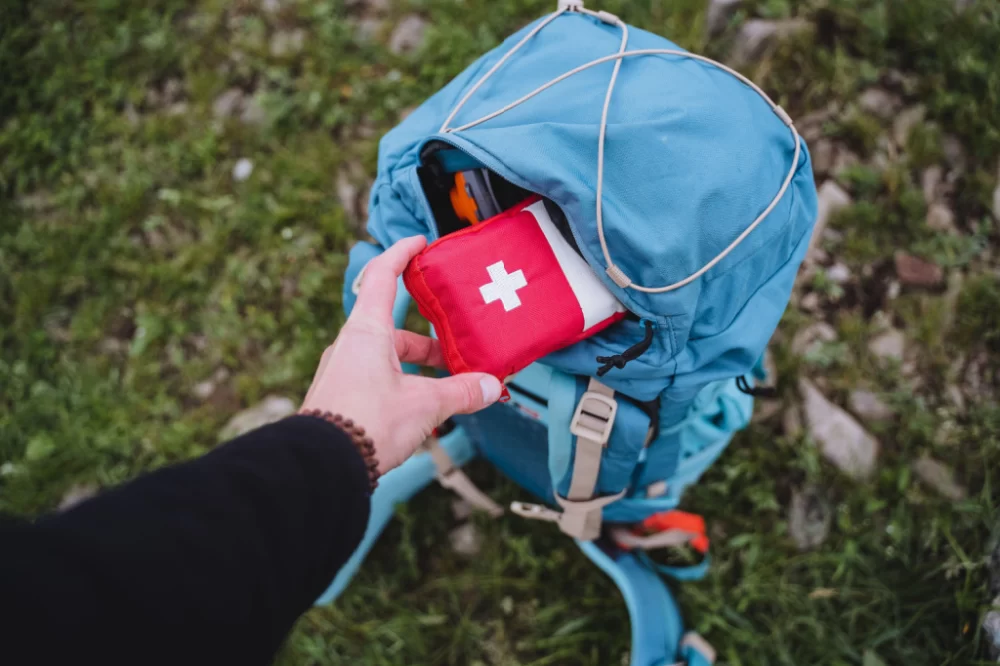
Beginners often pack too much or forget the essentials. Focus on necessities: a first aid kit, water purification tools, proper clothing, maps, and a reliable flashlight. Think safety first, convenience second.
3.3 Learn Basic Navigation and First Aid
You don’t need to be a survival expert, but knowing how to read a map, use a compass, or treat minor injuries can be life-saving. Several online courses and weekend workshops can teach you these skills. Some campers even carry laminated pocket guides for emergencies.
4. Real Stories & Lessons from the Wilderness
Consider the story of Jake, a first-time camper who underestimated night temperatures in the mountains. Despite it being summer, his sleeping bag wasn't rated for the chilly nights. He ended up cutting his trip short due to hypothermia symptoms. Lesson learned: never assume—research and plan gear according to the actual environment.
Another incident involved a group who wandered off-trail in a national park and spent an unplanned night outdoors. Thanks to having a GPS beacon and some basic survival training, they were found safe. These examples show that preparation can turn a potential disaster into a manageable hiccup.
5. Choosing the Right Gear and Location
5.1 Match Your Gear to the Environment
It’s tempting to grab the cheapest tent or coolest-looking gadget, but functionality matters more than aesthetics. Choose a sleeping bag rated for your climate, a tent that withstands local conditions, and durable, tested gear. At Camping Rural, you can find beginner-friendly products selected with safety and reliability in mind.
5.2 Start Small and Build Confidence
Don’t dive straight into multi-day hikes or remote wilderness trips. Start with well-managed campgrounds or car-camping sites where facilities and help are nearby. As your confidence and experience grow, you can explore more rugged terrains.
5.3 Prioritize Campsites with Safety Ratings
Some camping platforms allow users to rate and review sites for cleanliness, safety, and amenities. These reviews can be incredibly helpful for beginners trying to choose the right location. Look for sites that mention “family-friendly,” “well-lit,” or “secure.” Again, Camping Rural is a great place to browse such vetted listings and gear suggestions.
6. Final Thoughts on Safe Camping for Beginners
So, is camping safe? With the right mindset, preparation, and gear, absolutely. The wild can be unpredictable, but that’s part of its charm. What matters most is respecting nature, staying informed, and taking thoughtful precautions. Start with manageable trips, gear up with the essentials, and lean on trusted resources like Camping Rural to guide your adventure. Before long, you’ll not only feel safe—you’ll feel at home under the stars.
 Lone Star RV Park4.0 (21 reviews)
 Webb Landing3.0 (8 reviews)
 Laguna Seca Recreation Area Campgrounds4.0 (195 reviews)
 Pine Crest Village3.0 (25 reviews)
 Rivera Ranch 25.0 (1 reviews)
 Rock Quarry4.0 (9 reviews)
 10 Must-Visit Campgrounds in the Midwest for Your Next Outdoor Adventure
 Romantic Camping Spots for Couples: Perfect Getaways in Nature
 Ultimate Guide to Off the Grid Camping in Remote Locations
 How to Cook Over a Campfire Safely for an Enjoyable Outdoor Experience
 Vanlife in Winter: My Personal Experience Living on the Road
 From City to Camp: My Journey to Nature and What I Learned