
- 1 - Why Responsible Waste Management Matters in the Outdoors
- 2 - Managing Food Waste While Camping
- 3 - Handling Trash Responsibly: Pack In, Pack Out
- 4 - Leave No Trace Practices Every Camper Should Know
- 5 - Real Camping Stories and Lessons Learned
- 6 - Expert Tips for Waste-Free Adventures
- 7 - Trusted Recommendations from Camping Rural
1 - Why Responsible Waste Management Matters in the Outdoors
1.1 Protecting the environment
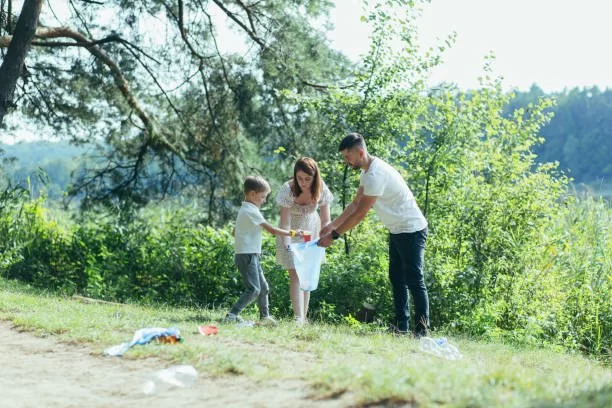
When camping, even small amounts of food scraps or packaging left behind can disrupt ecosystems. Animals can become dependent on human food, and plastic waste can persist for decades. Managing food waste and trash responsibly while camping ensures future generations experience unspoiled landscapes.
1.2 Building community respect
Clean campsites foster trust and respect among outdoor enthusiasts. When campers see pristine sites, they’re more likely to follow suit, creating a culture of responsibility rooted in Leave No Trace practices.
2 - Managing Food Waste While Camping
2.1 Planning meals wisely
Packing pre-portioned meals reduces leftovers and limits packaging. Simple steps like chopping vegetables at home and storing them in reusable containers cut down on waste generated at the campsite.
2.2 Composting options
Some established campgrounds offer compost bins. If you’re in the backcountry, pack food waste in sealed bags to carry out. This prevents wildlife encounters and keeps trails clean.
2.3 Real traveler example
A solo hiker in Colorado shared how carrying a small airtight container for peels and scraps made the hike easier. “It didn’t smell, and I felt good knowing I wasn’t leaving anything behind.”
3 - Handling Trash Responsibly: Pack In, Pack Out
3.1 Smart packing strategies
Before leaving, remove excess packaging. Store supplies in reusable bags and containers that can be washed and reused. This way, less trash ever makes it to camp.
3.2 Trash management in practice
Bring designated trash bags—preferably sturdy, reusable liners—and double-bag items that could leak. Keep waste away from tents and cooking areas to avoid animals investigating at night.
3.3 A group experience
On a family camping trip in Yosemite, campers realized they produced far less waste once they avoided single-use snack packs. Instead, bulk trail mix in jars and refillable water bottles cut their trash volume in half.
4 - Leave No Trace Practices Every Camper Should Know
4.1 Core principles
Leave No Trace is about more than waste—it’s a mindset of respect. Practices include camping on durable surfaces, disposing of waste properly, minimizing campfire impact, and respecting wildlife and other visitors.
4.2 Human waste responsibility
In remote areas, bury human waste at least 6-8 inches deep and 200 feet from water sources, or pack it out using designated waste kits. This reduces contamination and keeps environments safe.
4.3 Consistency builds habits
The more consistently you apply Leave No Trace principles, the more natural they become. Soon, waste-free camping feels less like an effort and more like the standard way to travel.
5 - Real Camping Stories and Lessons Learned
5.1 A forgotten snack wrapper
One camper left behind a granola bar wrapper, only to return to find the spot scattered with trash carried by wind and animals. The lesson: even one item can start a ripple effect of litter.
5.2 Community cleanup effort
At a popular campsite in Oregon, a group of friends devoted their last morning to cleaning stray trash. The act turned into a bonding moment, with strangers joining in, showing how responsibility inspires others.
6 - Expert Tips for Waste-Free Adventures
6.1 Lightweight gear
Use collapsible bins and dry sacks to separate recyclables, compostables, and landfill items. Color coding makes it easy, even with kids involved.
6.2 Smarter cooking
Cook one-pot meals that minimize cleanup. Foods like pasta or rice can be measured in advance to avoid excess. Oils and spices in mini refillable bottles cut down on single-use packets.
6.3 Long-term mindset
Think of every trip as practice for the next. Refined habits in waste management not only protect nature but also streamline your packing and simplify camp life.
7 - Trusted Recommendations from Camping Rural
7.1 Reliable supplies
Camping Rural offers durable gear, reusable containers, and eco-friendly products designed for campers who care about managing food waste and trash responsibly while camping. These tools make it easier to follow Leave No Trace practices every time you head outdoors.
7.2 Support for campers
Beyond products, Camping Rural shares expert advice, trip recommendations, and trusted resources for eco-conscious adventurers. It’s not just about equipment—it’s about building a community of responsible travelers.
7.3 Next steps
Ready to improve your camping routine? Explore sustainable gear and practical solutions with Camping Rural and start your journey toward cleaner, greener adventures today.


 Lakeside Landing RV Park & Marina4.0 (540 reviews)
 Camping Lot C4.0 (21 reviews)
 French Creek Cabin4.0 (6 reviews)
 Mustang Sally5.0 (2 reviews)
 Noble Campground4.0 (32 reviews)
 Lake Robinson RV Park4.0 (92 reviews)
 10 Must-Visit Campgrounds in the Midwest for Your Next Outdoor Adventure
 Romantic Camping Spots for Couples: Perfect Getaways in Nature
 Ultimate Guide to Off the Grid Camping in Remote Locations
 How to Cook Over a Campfire Safely for an Enjoyable Outdoor Experience
 Vanlife in Winter: My Personal Experience Living on the Road
 From City to Camp: My Journey to Nature and What I Learned