
- Understanding-mountain-road-challenges-for-RV-drivers
- Safety-techniques-for-driving-steep-grades
- Handling-winding-passes-and-tight-turns
- Real-stories-and-lessons-from-RV-drivers
- Preparing-your-RV-before-heading-into-the-mountains
1. Understanding Mountain Road Challenges for RV Drivers
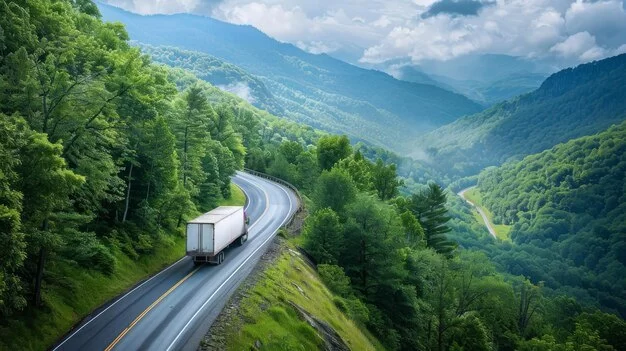
Navigating mountain roads in your RV presents unique challenges that go beyond flat highway driving. Steep inclines, sharp descents, and winding switchbacks test both the vehicle and the driver’s skills. RVs, being heavier and longer than standard vehicles, require more awareness of braking, gear use, and lane positioning. Drivers must also consider altitude effects, changing weather conditions, and limited pull-off areas, which can add stress to an already demanding trip.
2. Safety Techniques for Driving Steep Grades
Driving steep grades in an RV requires more than just holding the wheel steady. Experienced RVers recommend downshifting before descending to avoid overheating brakes. Using engine braking whenever possible reduces wear and increases control. Maintaining a steady speed—rather than alternating between acceleration and heavy braking—provides stability and reduces the chance of brake failure. A family who traveled through Colorado’s Rocky Mountains shared that learning to use lower gears early on made the difference between white-knuckle driving and a controlled, confident descent.
3. Handling Winding Passes and Tight Turns
Winding mountain passes require patience and precision. RVs have wider turning radiuses, so drivers must use the full lane and approach corners at reduced speeds. Staying aware of blind spots and oncoming traffic is critical. One traveler recalled navigating Montana’s Beartooth Highway, where hairpin turns demanded both slow maneuvering and absolute focus. Taking breaks at scenic pullouts not only relieves stress but also prevents fatigue—a common risk on long, winding routes.
4. Real Stories and Lessons from RV Drivers
Real-world experiences highlight the importance of preparation. An RV owner once recounted a frightening moment when overheated brakes forced an emergency stop halfway down a grade in Utah. After that, they always checked brake fluid and tire pressure before entering mountainous terrain. Another story comes from a couple traveling through Oregon who emphasized how crucial it was to respect speed limits posted specifically for trucks and RVs, as ignoring them nearly caused them to lose control on a descent. These experiences serve as reminders that caution and preparation prevent accidents.
5. Preparing Your RV Before Heading into the Mountains
Preparation is the cornerstone of safe mountain driving. Checking brakes, tires, coolant levels, and transmission health ensures your RV is ready for the strain of steep roads. Securing all interior items prevents distractions from falling objects on sharp curves. Planning routes in advance and being aware of alternative roads can save stress if a pass is closed due to weather. For those new to mountain RV trips, resources like Camping Rural provide trusted advice and gear recommendations that make every journey safer and more enjoyable.
Final Thoughts on RV Safety in Mountain Terrain
Navigating mountain roads in your RV doesn’t have to be intimidating. With the right techniques—engine braking, cautious cornering, and thorough preparation—drivers can turn potentially stressful routes into memorable adventures. By learning from real stories and expert safety practices, RV owners can travel steep grades and winding passes with confidence, enjoying both the challenge and the stunning scenery along the way.
 Lost Creek Campground Alabama0.0 (0 reviews)
 Hickory Ridge Campground0.0 (0 reviews)
 BWCA Campsite #7005.0 (1 reviews)
 Timberline Resort-Campgrounds4.0 (197 reviews)
 Moon Lake Cabin5.0 (3 reviews)
 Mobil homes / outdoor3.0 (73 reviews)
 10 Must-Visit Campgrounds in the Midwest for Your Next Outdoor Adventure
 Romantic Camping Spots for Couples: Perfect Getaways in Nature
 Ultimate Guide to Off the Grid Camping in Remote Locations
 How to Cook Over a Campfire Safely for an Enjoyable Outdoor Experience
 Vanlife in Winter: My Personal Experience Living on the Road
 From City to Camp: My Journey to Nature and What I Learned