
- What Is Solo Camping?
- Benefits of Solo Camping
- How to Prepare for Solo Camping
- Tips for First-Time Solo Campers
- Overcoming the Fears of Solo Camping
- Where to Go for Solo Camping
What Is Solo Camping?
Solo camping is exactly what it sounds like—camping alone in the great outdoors, away from the hustle and bustle of daily life. For many, it’s a chance to disconnect from technology, reconnect with nature, and spend time alone in peaceful solitude. Whether you’re hiking into the wilderness or setting up camp at a local park, solo camping can be an incredibly rewarding experience for those who are ready to embrace the freedom of solo adventure.
Unlike traditional camping, where you might go with friends or family, solo camping allows you to set your own schedule, make your own decisions, and enjoy a truly solitary experience. This kind of camping doesn’t just challenge your physical abilities; it can also be an opportunity for mental and emotional growth. For those new to the experience, the idea of being alone in nature can feel daunting—but the benefits are well worth the effort.
Benefits of Solo Camping
Solo camping offers a range of benefits that group camping simply cannot provide. If you’re on the fence about going it alone in the wild, here are a few compelling reasons why solo camping is worth considering:
1. Personal Growth and Self-Discovery
One of the most profound benefits of solo camping is the opportunity for self-reflection and personal growth. Being alone in nature gives you the space to clear your mind, escape from distractions, and connect with your inner self. Many people find that solo camping helps them work through personal issues, make important life decisions, or simply gain a greater sense of inner peace.
2. Complete Freedom and Flexibility
When camping with others, there are always compromises. You have to coordinate schedules, agree on activities, and work around everyone’s preferences. Solo camping, on the other hand, offers complete freedom. You can decide where to go, how long to stay, and what to do each day. This level of control over your experience can be incredibly liberating.
3. Connection with Nature
While group camping trips can also offer opportunities to connect with nature, solo camping allows you to immerse yourself fully in the environment. You’ll likely notice things you might have missed before, such as the sound of birds, the rustling of trees, or the way sunlight filters through the leaves. The solitude gives you a deeper connection with the natural world, allowing for moments of mindfulness and wonder.
4. Building Confidence and Resilience
Solo camping forces you to rely on yourself. You’ll need to solve problems on your own, whether it’s setting up your tent, starting a fire, or navigating unfamiliar terrain. This builds confidence and helps you develop problem-solving skills. Overcoming the challenges of solo camping can lead to a greater sense of self-reliance and resilience that you can carry with you in other aspects of life.
How to Prepare for Solo Camping
While solo camping can be a highly rewarding experience, it’s important to be prepared. Here are some key steps to help you get ready for your solo adventure:
1. Research Your Destination
Before you head out, it’s crucial to research your camping destination. Make sure the area is safe for solo campers and that it offers the type of experience you’re looking for—whether it’s a remote wilderness setting or a more accessible campground. Look up maps, weather forecasts, and any potential hazards in the area, such as wildlife or difficult terrain.
2. Pack Smart
When it comes to solo camping, packing is all about efficiency and self-sufficiency. You’ll need to bring everything you might need, from food and water to first aid kits and tools for shelter. Consider lightweight, multi-functional gear to make your load easier to carry. Essentials include a tent, sleeping bag, stove, headlamp, and plenty of layers for warmth. Be sure to pack food that’s easy to prepare and doesn’t require refrigeration.
3. Test Your Gear
If you’re new to solo camping or using new gear, make sure to test everything before your trip. Set up your tent in your backyard, practice starting your stove, and familiarize yourself with your equipment. The more comfortable you are with your gear, the more confident you’ll feel during your trip.
4. Plan for Safety
Solo camping requires you to be more safety-conscious than group camping. Let a friend or family member know your itinerary and expected return time. Bring a fully charged phone or GPS device in case of emergency, and ensure you have a whistle, pepper spray, or other safety tools if needed. Keep a close eye on the weather, and always have a backup plan in case conditions change unexpectedly.
Tips for First-Time Solo Campers
If it’s your first time solo camping, there are a few extra tips that can help ensure your trip goes smoothly:
1. Start with a Short Trip
For your first solo camping experience, consider starting with a short trip to a more accessible area, such as a local state park. This will allow you to test your skills and comfort level without being too far from help if needed. Starting small builds confidence for longer trips down the line.
2. Keep a Journal
Solo camping provides an excellent opportunity to reflect and write down your thoughts. Bring a journal to document your experiences, observations, and feelings during your trip. Writing can help process emotions and give you a deeper appreciation for the experience.
3. Be Prepared for Loneliness
While solo camping offers a sense of freedom, it can also lead to feelings of loneliness, especially at night. Bring a book, music, or a camera to keep yourself entertained, and take in the peaceful solitude. You may find that this solitude becomes one of the most rewarding aspects of your adventure.
Overcoming the Fears of Solo Camping
One of the most common fears about solo camping is safety—being alone in the wilderness can feel intimidating. However, many of these fears are manageable with proper planning and preparation. Start with smaller, well-populated areas to gain experience before venturing into more remote locations. Trusting your instincts, staying alert, and knowing how to handle emergencies can help reduce anxiety.
Another fear may be the discomfort of being alone. It’s natural to feel some apprehension about spending time by yourself in nature, but remember that solitude can be incredibly rejuvenating. The more you practice solo camping, the more comfortable you will become with being alone outdoors.
Where to Go for Solo Camping
The location you choose for your solo camping trip will have a significant impact on your experience. If you're just starting out, opt for a place that’s relatively close to civilization, such as a national park or a local nature reserve. These areas often offer well-maintained campsites with access to amenities and are popular with other solo campers, giving you the reassurance of being in a safe environment. If you're more experienced, you may want to explore more remote or off-the-beaten-path locations.
Some great destinations for solo camping include the Adirondacks, Joshua Tree National Park, or the Smoky Mountains. Research local camping regulations and guidelines to ensure that the area you choose aligns with your needs.
Solo camping is an experience like no other—offering freedom, personal growth, and a deeper connection with nature. If you're ready to embrace the challenge, it could become one of the most rewarding outdoor adventures of your life. For high-quality camping gear and expert advice, check out Camping Rural for the best products to support your solo camping journey.
 Lone Star RV Park4.0 (21 reviews)
 Webb Landing3.0 (8 reviews)
 Laguna Seca Recreation Area Campgrounds4.0 (195 reviews)
 Pine Crest Village3.0 (25 reviews)
 Rivera Ranch 25.0 (1 reviews)
 Rock Quarry4.0 (9 reviews)
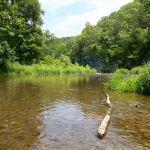 10 Must-Visit Campgrounds in the Midwest for Your Next Outdoor Adventure
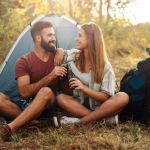 Romantic Camping Spots for Couples: Perfect Getaways in Nature
 Ultimate Guide to Off the Grid Camping in Remote Locations
 How to Cook Over a Campfire Safely for an Enjoyable Outdoor Experience
 Vanlife in Winter: My Personal Experience Living on the Road
 From City to Camp: My Journey to Nature and What I Learned