
- Tent-or-Trailer-Overview
- Advantages-and-Disadvantages-of-Tents-and-Trailers
- Considering-Your-Camping-Style-and-Needs
- Real-Life-Examples-and-Insights
- Choosing-the-Right-Gear-for-Your-Setup
- Where-to-Find-Reliable-Camping-Products
1. Tent or Trailer Overview: Understanding Your Options
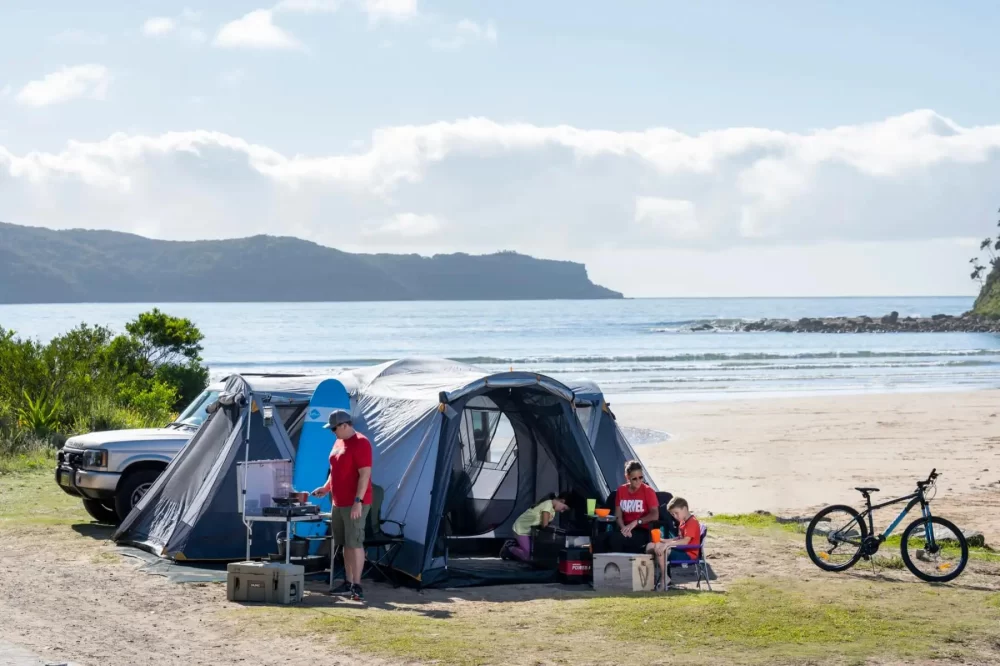
When planning a camping trip, one of the first decisions to make is choosing between a tent or trailer as your shelter. Both options offer unique advantages and challenges, and the choice depends heavily on your preferences, travel style, and camping goals. A tent represents the classic, minimalist outdoor experience—lightweight, portable, and often more affordable. On the other hand, a trailer, ranging from small pop-ups to fully equipped RVs, provides a comfortable, weatherproof space with amenities that can significantly enhance your camping comfort.
Understanding these basic distinctions helps you frame the decision within the broader context of your outdoor adventures. Are you prioritizing mobility and simplicity, or are you leaning towards convenience and protection? This question serves as the foundation for selecting the ideal setup.
2. Advantages and Disadvantages of Tents and Trailers
2.1 Benefits of Tent Camping
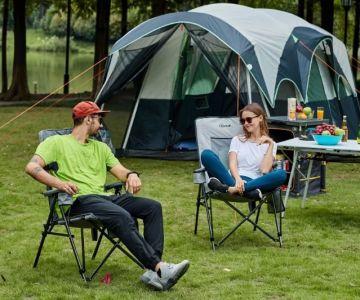
Tent camping offers several appealing features that attract outdoor enthusiasts. First, tents are generally lightweight and easy to carry, making them ideal for backpacking or remote camping. Setting up a tent is usually quick and requires minimal infrastructure, allowing you to camp almost anywhere. Moreover, tents provide an immersive experience, connecting you closely with nature, hearing the sounds of wildlife, and feeling the natural environment around you.
However, tents come with limitations such as vulnerability to weather conditions, limited space, and a lack of built-in amenities. Heavy rain or cold nights can make tent camping uncomfortable if you’re not well-prepared.
2.2 Benefits of Trailer Camping
Trailers provide substantial protection from the elements, offering solid walls, insulation, and often climate control. This makes them perfect for families, extended trips, or campers who prefer comfort. Trailers also allow for easy storage of gear and supplies, and many come equipped with kitchens, bathrooms, and sleeping quarters, drastically reducing setup time at campsites.
On the downside, trailers require a tow vehicle, which can limit access to remote or rugged camping locations. They also tend to be more expensive to purchase, maintain, and operate. Maneuvering a trailer in tight spaces or rough terrain can be challenging, especially for beginners.
3. Considering Your Camping Style and Needs
3.1 Frequency and Duration of Trips
If you camp frequently or for long durations, investing in a trailer might pay off due to its comfort and storage benefits. Casual campers or weekend adventurers may find tents more practical and economical.
3.2 Travel Destinations and Accessibility
Think about the kinds of locations you want to visit. Tent camping allows access to remote wilderness areas where trailers can’t go. Conversely, if you prefer campgrounds with amenities and roads, trailers offer a comfortable base camp.
3.3 Group Size and Sleeping Arrangements
Tents come in various sizes but may still feel cramped for larger groups or families. Trailers typically provide designated sleeping spaces, making them attractive for family trips or when traveling with friends.
3.4 Budget and Maintenance
Your budget will heavily influence your choice. Tents are more affordable upfront and cheaper to maintain. Trailers, while more costly, add value by improving comfort and convenience but require ongoing maintenance and potential insurance costs.
4. Real-Life Examples and Insights
Consider the story of Sarah and Mike, a couple who initially started with a tent for weekend camping. After a few seasons battling unexpected storms and rough terrain, they upgraded to a small travel trailer. Their experience improved significantly as they gained the ability to camp comfortably in a wider range of weather conditions and locations. Sarah often remarks how the trailer’s kitchen and protected sleeping quarters made camping “feel like home away from home.”
On the flip side, Jake, an avid backpacker, swears by his lightweight tent. His adventures in remote national parks depend on his ability to hike deep into wilderness areas inaccessible by vehicle. For Jake, the freedom to carry minimal gear and set up camp anywhere outweighs the luxury a trailer offers.
These contrasting experiences highlight that choosing between a tent or trailer is not about which is “better,” but which suits your lifestyle and camping goals more effectively.
5. Choosing the Right Gear for Your Setup
5.1 Tent Equipment Essentials
If you decide on a tent, consider investing in quality items such as waterproof rain flies, durable stakes, sleeping pads, and compact cooking gear. A tent with multiple ventilation options enhances comfort, especially in warm climates. Always match the tent size and design to your typical camping group and environment.
5.2 Trailer Features to Prioritize
For trailers, prioritize features based on your needs—climate control, kitchen setup, bathroom facilities, and storage space. Check the trailer’s weight and towing compatibility with your vehicle. Safety features, including reliable brakes and lighting, are also crucial.
Whether tent or trailer, carefully selecting your equipment impacts the overall enjoyment and safety of your camping experience.
6. Where to Find Reliable Camping Products and Services
For those ready to invest in the right camping gear or seeking expert advice, Camping Rural offers a comprehensive selection of tents, trailers, and accessories tailored to various camping styles. Their knowledgeable team provides personalized recommendations to ensure you find the perfect fit for your needs. Whether you want the simplicity of a sturdy tent or the convenience of a well-equipped trailer, Camping Rural connects you to the best products and services to enhance your outdoor adventures.
Visiting Camping Rural not only guarantees quality but also access to ongoing support and guidance, making your decision process smoother and more confident.
 Lone Star RV Park4.0 (21 reviews)
 Webb Landing3.0 (8 reviews)
 Laguna Seca Recreation Area Campgrounds4.0 (195 reviews)
 Pine Crest Village3.0 (25 reviews)
 Rivera Ranch 25.0 (1 reviews)
 Rock Quarry4.0 (9 reviews)
 10 Must-Visit Campgrounds in the Midwest for Your Next Outdoor Adventure
 Romantic Camping Spots for Couples: Perfect Getaways in Nature
 Ultimate Guide to Off the Grid Camping in Remote Locations
 How to Cook Over a Campfire Safely for an Enjoyable Outdoor Experience
 Vanlife in Winter: My Personal Experience Living on the Road
 From City to Camp: My Journey to Nature and What I Learned