
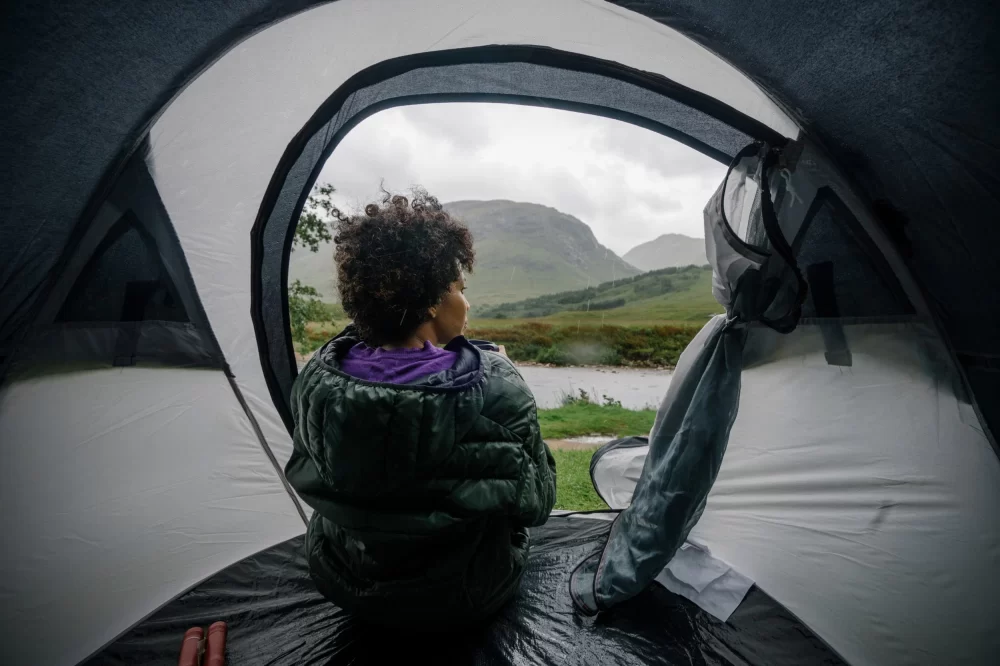
- 1-tips-for-drying-wet-camping-gear-understanding-the-importance-of-drying-camping-gear
- 2-tips-for-drying-wet-camping-gear-immediate-actions-to-take-when-gear-gets-wet
- 3-tips-for-drying-wet-camping-gear-best-methods-for-drying-tents-and-shelters
- 4-tips-for-drying-wet-camping-gear-drying-wet-clothing-and-sleeping-bags
- 5-tips-for-drying-wet-camping-gear-using-technology-and-tools-to-speed-up-drying
- 6-tips-for-drying-wet-camping-gear-preventative-measures-to-avoid-wet-gear-in-the-future
- 7-tips-for-drying-wet-camping-gear-why-choosing-the-right-gear-matters-camping-rural
1. Understanding the Importance of Drying Camping Gear
Camping gear that remains wet for prolonged periods risks developing mold, mildew, and unpleasant odors, which can deteriorate the material and reduce the lifespan of your equipment. Properly drying wet camping gear not only preserves its function and comfort but also ensures your next adventure isn’t compromised by soggy tents, damp sleeping bags, or wet clothing.
Moreover, wet gear can contribute to hypothermia risks in cold environments and discomfort that diminishes the overall camping experience. Knowing how to effectively dry your gear is an essential skill for every camper.
2. Immediate Actions to Take When Gear Gets Wet
As soon as your camping gear gets wet, act quickly to minimize water retention. Remove excess water by shaking off tents and clothes, and use towels or absorbent cloths to blot moisture from sleeping bags and fabrics. Avoid wringing out delicate materials as this may cause damage.
If possible, separate gear into smaller bundles to facilitate air circulation during drying. Prompt action is key to preventing mold growth and maintaining the gear’s integrity.
3. Best Methods for Drying Tents and Shelters
Tents and shelters are among the most challenging items to dry due to their size and fabric. The best method involves setting up your tent in a well-ventilated area, ideally in sunlight, to maximize drying speed. If a sunny spot isn’t available, hanging tent panels on a clothesline or over a sturdy branch helps airflow.
Using a portable fan or gently wiping with a dry cloth can aid moisture removal from seams and zippers. Avoid storing tents wet or folded tightly as this encourages mold and fabric degradation.
4. Drying Wet Clothing and Sleeping Bags
Wet clothing and sleeping bags require special care. Lay them flat or hang them on drying racks to maintain shape and avoid damage. Sleeping bags often have delicate insulation materials that dry unevenly, so periodically flipping and fluffing helps speed the process.
For synthetic fabrics, air drying is usually sufficient, but natural fibers like wool or cotton may take longer. Investing in moisture-wicking and quick-dry fabrics can reduce drying time during camping trips.
5. Using Technology and Tools to Speed Up Drying
Modern campers often utilize technology to speed drying. Battery-operated fans, portable clothes dryers, or even small heaters can accelerate moisture evaporation. Absorbent drying towels made from microfiber can soak up excess water efficiently.
However, caution is necessary to avoid heat damage to sensitive materials. Always follow manufacturer guidelines and test equipment on a small patch before applying heat broadly.
6. Preventative Measures to Avoid Wet Gear in the Future
Prevention is better than cure when it comes to wet camping gear. Pack waterproof bags or dry sacks to protect clothing and electronics. Use ground tarps beneath your tent to reduce moisture from below and always check weather forecasts to prepare accordingly.
Setting up camp in elevated or well-drained areas also helps keep gear dry. Regularly inspect and maintain your gear’s waterproof coatings and repair tears promptly to minimize water intrusion.
7. Why Choosing the Right Gear Matters: Camping Rural
High-quality camping gear designed for moisture resistance significantly eases drying efforts. At Camping Rural, you can find the best products suited for various environments and activities, from breathable tents to quick-dry apparel.
Investing in reliable gear not only enhances comfort but also reduces maintenance time, letting you focus on enjoying the outdoors. Explore our curated selection to prepare smartly for your next trip and minimize wet gear hassles.
 Coppermine Bottom Campground4.0 (27 reviews)
 Big Rock Campground4.0 (50 reviews)
 Corner Storage & RV Hook-Ups, 2 RV Locations4.0 (18 reviews)
 GEM CITY RV RESORT4.0 (16 reviews)
 Parkside Camping5.0 (28 reviews)
 Headwaters Campground & RV Park4.0 (209 reviews)
 10 Must-Visit Campgrounds in the Midwest for Your Next Outdoor Adventure
 Romantic Camping Spots for Couples: Perfect Getaways in Nature
 Ultimate Guide to Off the Grid Camping in Remote Locations
 How to Cook Over a Campfire Safely for an Enjoyable Outdoor Experience
 Vanlife in Winter: My Personal Experience Living on the Road
 From City to Camp: My Journey to Nature and What I Learned