
- understanding-why-camping-with-kids-is-different
- start-small-choose-the-right-location
- gear-up-smart-and-pack-creatively
- set-realistic-expectations-and-create-routines
- safety-first-especially-with-young-campers
- engage-their-curiosity-and-make-it-fun
- real-family-experience-lessons-learned
- make-it-a-tradition-not-just-a-trip
1. Understanding Why Camping with Kids Is Different
Camping with children isn’t simply about adding smaller sleeping bags to the trip—it’s a different experience altogether. First-time parents often underestimate how much energy and planning is required to keep things running smoothly outdoors. Kids are curious, easily distracted, and thrive on predictability—three qualities that can clash with nature’s unpredictability.
When preparing for your first outdoor family adventure, it’s important to adjust your mindset. You’re not just going camping; you’re creating memories and introducing your kids to the joys (and lessons) of nature. That requires flexibility, patience, and a good strategy—qualities we’ll help you build here with detailed tips for camping with kids for the first time.
2. Start Small: Choose the Right Location
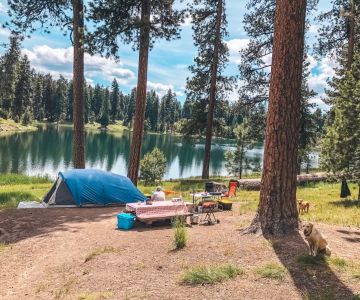
One of the best tips for camping with kids for the first time is to start close to home or in a state park with plenty of amenities. Avoid remote backcountry sites for your first trip. Instead, opt for campgrounds that offer restrooms, running water, and maybe even a playground. These facilities can serve as comfort anchors for children adjusting to outdoor life.
A real-world example comes from the Johnson family in Oregon, who opted for a well-equipped lakeside campground 40 minutes from home. “We knew if things went south, we could pack up and be home in under an hour,” said Amy Johnson. As it turned out, they stayed the full weekend—and now camp twice every summer.
Websites like Camping Rural can help you find beginner-friendly campgrounds and even recommend gear suited for families with young children.
3. Gear Up Smart and Pack Creatively
Camping with children requires thoughtful packing. Beyond the basics—tent, sleeping bags, food—you’ll need items like backup clothes, kid-friendly snacks, favorite toys, flashlights (one per child!), and comfort items like a stuffed animal or bedtime book. The more familiar items you include, the more secure your child will feel.
Pack by category: sleeping, eating, playing, and emergencies. Use clear bins or color-coded bags to organize your gear. Many parents also suggest a dedicated “rainy day” bag with art supplies, puzzles, or a surprise toy for moments when kids get bored or the weather turns sour.
At Camping Rural, we’ve helped hundreds of families discover smart packing solutions designed with young campers in mind—from toddler-sized sleeping bags to compact high chairs for campsite meals.
4. Set Realistic Expectations and Create Routines
One of the most overlooked tips for camping with kids for the first time is managing expectations—yours and theirs. Your goal shouldn’t be a perfectly peaceful outdoor escape, but a successful shared experience. That includes tears, laughs, mishaps, and learning opportunities.
Establishing daily routines can help create a sense of normalcy. Keep mealtimes and bedtimes close to what they are at home. Create a “campfire wind-down” routine or morning nature walk tradition. These anchors help kids feel safe and give your trip a rhythm everyone can enjoy.
“We treated it like home, just with more trees,” shared a dad named Marcus after his family’s first trip to Yellowstone. “Keeping bedtime consistent and making oatmeal for breakfast every morning helped our twins feel comfortable and look forward to each day.”
5. Safety First—Especially with Young Campers
Safety isn’t optional. One of the most crucial tips for camping with kids is establishing clear safety boundaries right from the beginning. Teach your kids campsite rules, such as staying within sight, not touching unfamiliar plants or insects, and what to do if they feel lost.
Give each child a whistle and teach them to use it if they wander too far or feel unsafe. Reflective gear or glow sticks for evening playtime are also smart additions. Keep a well-stocked first-aid kit on hand, and review basic first-aid knowledge for insect bites, cuts, or scrapes before your trip.
Choose a site with level ground to avoid injuries from trips and falls, and make sure kids understand fire safety if you’ll be having campfires. Products and resources from Camping Rural often include safety kits and kid-specific gear to help parents feel more prepared.
6. Engage Their Curiosity and Make It Fun
Children thrive on exploration and discovery, which makes camping a perfect playground for learning. Plan interactive, hands-on activities: leaf collecting, simple nature scavenger hunts, stargazing, or building a small stick fort. The more involved your kids are in the experience, the fewer complaints you’ll hear.
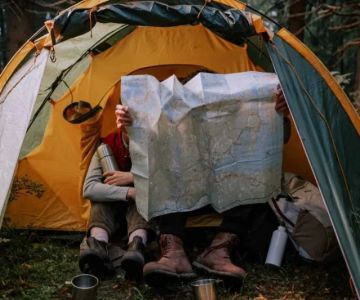
Let them help with small responsibilities like gathering kindling, stirring pancake batter, or holding the map. It empowers them and turns the trip into an adventure they helped build. Don’t over-schedule, though—leave room for spontaneous fun like frog-spotting by the creek or dancing in the rain.
Parents who shop at Camping Rural often mention the impact of having activity-focused gear: binoculars, child-sized backpacks, and waterproof notebooks have kept kids engaged and excited throughout the weekend.
7. Real Family Experience: Lessons Learned
Sometimes the best advice comes from those who’ve done it—mistakes and all. Take the Martins from Colorado, for example. They didn’t check the weather and faced an unexpected thunderstorm. “We almost gave up and went home,” said Laura Martin. “But we ended up laughing in the tent, telling stories by flashlight. It’s now one of our best family memories.”
Their lesson? Flexibility matters more than perfection. Another family shared that bringing walkie-talkies made their kids feel like secret agents—and kept them in constant contact, reducing everyone’s stress. These stories are reminders that first-time family camping isn’t about doing everything right—it’s about doing it together.
8. Make It a Tradition, Not Just a Trip
Once your first trip ends, keep the momentum going. Have your kids help you choose the next location. Let them draw their favorite parts of the last trip. Start a camping journal or scrapbook to make it feel like an ongoing adventure rather than a one-off outing.
When camping becomes a tradition, it evolves with your family. Older kids can take on more responsibility. Younger siblings can be introduced gradually. The stories you build together will become part of your family identity—and those first steps are the foundation.
For gear upgrades, destination planning, or seasonal tips, you can always visit Camping Rural. It's a place where families can find not just camping gear, but support and guidance for every step of the journey outdoors.
 West Wind MHP2.0 (4 reviews)
 Highlands Mobile Village3.0 (26 reviews)
 Cadillac Woods Campground4.0 (248 reviews)
 Sand Creek R.V Park Lake Texoma5.0 (1 reviews)
 Cottonwood Pit Campground4.0 (9 reviews)
 Klines Resort4.0 (88 reviews)
 10 Must-Visit Campgrounds in the Midwest for Your Next Outdoor Adventure
 Romantic Camping Spots for Couples: Perfect Getaways in Nature
 Ultimate Guide to Off the Grid Camping in Remote Locations
 How to Cook Over a Campfire Safely for an Enjoyable Outdoor Experience
 Vanlife in Winter: My Personal Experience Living on the Road
 From City to Camp: My Journey to Nature and What I Learned