
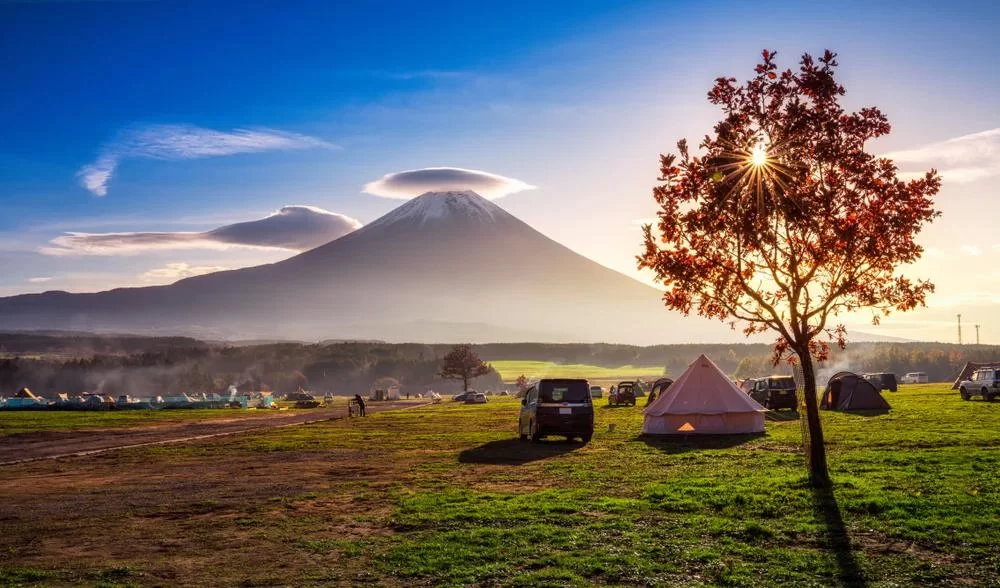
- Traditional Camping in North America
- Unique European Camping Styles
- Asian Cultural Camping Practices
- Indigenous Camping Methods in South America
- Practical Tips for Exploring Traditional Camping
1. Traditional Camping in North America
North America offers a rich variety of traditional camping styles shaped by its vast landscapes and diverse indigenous cultures. Native American tribes, for example, historically practiced a form of camping deeply tied to their environment and seasonal movements. The use of teepees, which are cone-shaped tents made from wooden poles and animal hides, illustrates a highly efficient mobile dwelling suited for the Great Plains region. This traditional form not only provided shelter but also played a significant role in tribal ceremonies and community bonding.
In modern times, this heritage inspires enthusiasts to adopt a back-to-nature approach, focusing on minimalist gear and sustainable camping practices. Many campers seek to replicate these traditional styles for both educational purposes and a deeper connection with the outdoors. For those interested in embracing these methods, Camping Rural offers authentic products and expert advice to help you prepare for such immersive experiences.
Historical Significance and Modern Adaptations
The teepee exemplifies how traditional camping styles intertwine functionality and culture. These structures were quick to assemble and disassemble, facilitating the nomadic lifestyle of many tribes. Today, campers inspired by these practices often combine traditional materials with modern equipment, creating a blend of heritage and convenience.
2. Unique European Camping Styles
Europe showcases a diverse spectrum of traditional camping approaches rooted in centuries-old customs. In Scandinavia, the concept of “friluftsliv” — meaning “open-air living” — highlights a cultural reverence for nature and outdoor life. Traditional camping here often involves simple shelters such as lean-tos or lavvus, the latter being a tent similar to a teepee used by the Sami people.
These structures allow campers to connect intimately with the natural environment while providing shelter against harsh weather. European traditional camping also extends to alpine regions, where shepherds and travelers have historically used mountain huts and yurts. Today, many hiking enthusiasts recreate these experiences by staying in rustic cabins or pitching tents that mimic traditional shelters, seeking both solitude and adventure.
Cultural Insights and Practical Use
Understanding the local history behind these camping styles enriches the experience. For instance, the Sami lavvu is designed to be portable and resistant to cold winds, a practical solution for nomadic herders. Integrating these historical insights with modern camping tips can significantly improve your outdoor journey. Visit Camping Rural to explore authentic equipment inspired by European traditional shelters.
3. Asian Cultural Camping Practices
In Asia, traditional camping reflects a blend of spirituality, practicality, and deep environmental knowledge. Mongolian yurts (gers) are among the most famous traditional camping structures worldwide, characterized by circular, portable tents covered with felt. These yurts have been used by nomadic herders for thousands of years, offering insulation against extreme climates and easy assembly.
Beyond Mongolia, traditional camping styles vary greatly, from Japan’s minimalist mountain huts to the nomadic tents of Central Asian tribes. In many regions, camping is not just about shelter but also about respecting nature and following rituals that honor the land and ancestors. This spiritual dimension adds a unique layer of meaning to camping activities.
Adapting Traditions to Contemporary Camping
For modern campers interested in Asian styles, learning how to build and maintain a yurt or other traditional shelters can be both a rewarding skill and a way to experience the culture firsthand. Equipment designed with traditional materials but enhanced for modern convenience can be found through Camping Rural, providing both authenticity and comfort.
4. Indigenous Camping Methods in South America
South America’s indigenous peoples have long developed camping techniques perfectly adapted to diverse environments such as the Amazon rainforest, Andean highlands, and Patagonian wilderness. Traditional shelters like the bohío— a thatched hut used by indigenous groups in the Caribbean and Amazon basin — demonstrate resourcefulness in using locally available materials.
Moreover, the use of hammocks suspended between trees is a hallmark of Amazonian camping, offering protection from insects and flooding. These methods reveal a sophisticated understanding of local ecosystems and show how camping can coexist harmoniously with nature.
Case Study: Amazonian Camping and Sustainability
A recent popular story circulating in outdoor communities involved a group of eco-tourists who joined indigenous guides in the Amazon to learn traditional camping techniques. They discovered how these methods emphasize minimal environmental impact and highlight sustainable living principles. Such experiences deepen respect for indigenous knowledge and inspire eco-friendly camping practices worldwide. Camping Rural provides access to gear that supports these sustainable approaches, blending tradition with ecological responsibility.
5. Practical Tips for Exploring Traditional Camping
Embracing traditional camping styles requires more than just using the right shelter; it demands respect for the culture, environment, and skills that shaped these methods. Here are some practical steps to enhance your traditional camping experience:
Research and Preparation
Before attempting any traditional style, thorough research about the culture and environment is essential. Understanding the history and significance behind the camping methods can enrich your experience and prevent unintentional disrespect or damage.
Choosing the Right Equipment
While authenticity is important, combining traditional techniques with modern gear can improve safety and comfort. Camping Rural is a reliable source to find gear that honors traditional designs while meeting today’s outdoor demands.
Respect and Sustainability
Traditional camping often carries a philosophy of living in harmony with nature. Always follow Leave No Trace principles and aim to minimize your ecological footprint, honoring the wisdom passed down through generations.
Exploring traditional camping styles around the world offers more than just an outdoor adventure—it opens a window into the cultural soul of different communities and deepens our relationship with nature. Whether you’re inspired by the teepees of North America, the yurts of Mongolia, or the bohíos of South America, there is a rich world of outdoor heritage waiting to be experienced. For those looking to start or deepen their journey, Camping Rural provides the most suitable products and expert guidance tailored to traditional and modern camping alike.

 North View Park3.0 (57 reviews)
 BWCA Campsite #3640.0 (0 reviews)
 Indian Mountain State Park Campground4.0 (21 reviews)
 Carter Gap Shelter4.0 (18 reviews)
 New Braunfels RV Park4.0 (132 reviews)
 Turtle Pond RV0.0 (0 reviews)
 10 Must-Visit Campgrounds in the Midwest for Your Next Outdoor Adventure
 Romantic Camping Spots for Couples: Perfect Getaways in Nature
 Ultimate Guide to Off the Grid Camping in Remote Locations
 How to Cook Over a Campfire Safely for an Enjoyable Outdoor Experience
 Vanlife in Winter: My Personal Experience Living on the Road
 From City to Camp: My Journey to Nature and What I Learned