
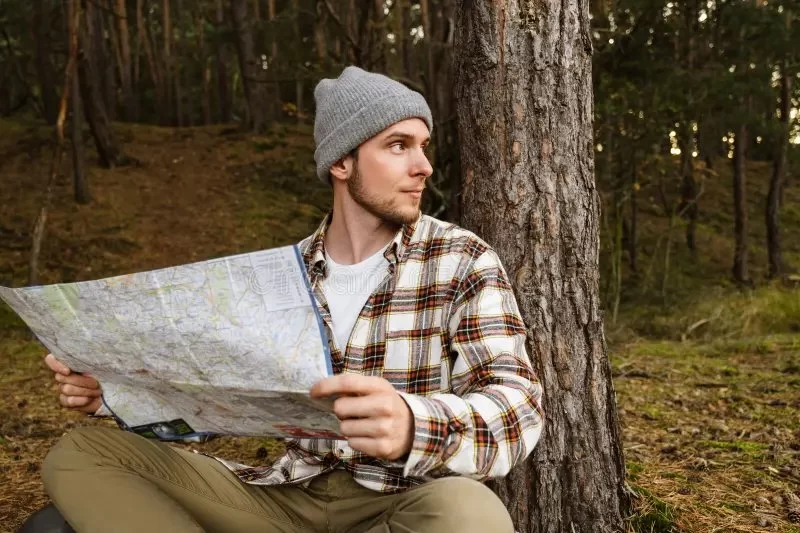
- Preparation is Key
- How to Stay Calm When Lost
- Signaling for Help: How to Get Found
- How to Find Shelter and Water
- Navigating Your Way Back
1. Preparation is Key
One of the most important aspects of wilderness survival is preparation. Before heading into the great outdoors, it’s essential to plan ahead. This includes informing someone about your trip details, including your destination, planned route, and return time. Carrying a map, compass, and a GPS device can be lifesavers if you lose your way.
Additionally, packing the right gear for your adventure can make a huge difference in ensuring your safety. A well-stocked backpack should include basic survival tools like a first-aid kit, a flashlight, a multi-tool, extra clothing, and enough water and food to sustain you for a day or two. It’s also important to wear appropriate clothing and footwear to handle various terrain conditions, which can minimize the risk of getting lost in the first place.
2. How to Stay Calm When Lost
If you find yourself lost in the wilderness, staying calm is crucial. Panic can cloud your judgment and make the situation much worse. The first step is to take deep breaths and assess the situation. Take note of the surroundings, your location, and any landmarks that might help you navigate.
It’s important to avoid rushing and making hasty decisions. Instead, stop moving for a moment and think through your options. Sometimes, retracing your steps might be the best solution, but if you’re unsure, it’s better to wait for help or start a planned course of action, such as signaling for help or building shelter, rather than wandering further.
3. Signaling for Help: How to Get Found
When you're lost, one of the most important things to do is signal for help. There are several ways to make yourself visible to rescuers:
- Whistles: A whistle is a great tool to carry while camping. It can be heard over long distances, and three short blasts can signal distress.
- Flare: A flare is an excellent tool for signaling from afar, especially in wooded or mountainous areas.
- Bright Clothing or Cloth: If you have brightly colored clothing or cloth, tie it to a tree or create a visual marker in an open area.
- Fire: If conditions permit, starting a small controlled fire is another way to draw attention, but ensure it’s safe to do so.
Make sure to periodically check your surroundings, as you might spot help or a rescue team. Don’t waste energy by wandering aimlessly or attempting risky maneuvers to find your way back without proper guidance.
4. How to Find Shelter and Water
While waiting for help or during your efforts to navigate, it’s essential to find shelter and water. The most important element for survival is hydration, so finding a reliable water source should be a priority.
If you’re in an area with flowing water, make sure to filter or boil it before drinking. Stagnant water should be avoided if possible, as it can carry harmful bacteria. As for shelter, look for a natural form of cover, such as a cave, large tree, or any structure that can provide protection from the elements. If nothing is readily available, you may need to build a simple shelter using branches and leaves to shield yourself from rain or cold winds.
5. Navigating Your Way Back
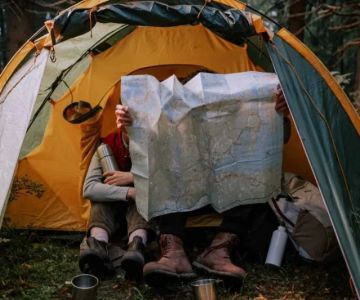
Once you have calmed down and made a plan, it’s time to try and find your way back. If you are carrying a map and compass, use them to orient yourself. Follow any recognizable trails or paths, or use the sun or landmarks to gauge your direction. If you’re in dense woods or mountainous terrain, navigating can be tricky, but landmarks such as rivers, roads, or peaks can help you find your way.
If you don’t have the proper tools, staying put and waiting for help may be your safest option. Moving without clear knowledge of your surroundings can cause you to get even more lost, especially if you’re already feeling disoriented. If possible, mark your path with easily visible items like stacked rocks or branches to avoid wandering in circles.
Remember that staying calm, signaling for help, finding shelter and water, and using your navigation skills are all critical elements to surviving being lost while camping. With the right preparation and mindset, you can increase your chances of staying safe and finding your way back home.
 Intracoastal City RV Lot & Dock4.0 (19 reviews)
 Horseshoe Ridge Camp4.0 (6 reviews)
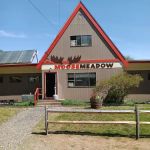 Moosemeadow Camping Resort4.0 (161 reviews)
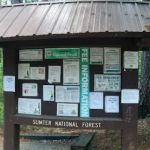 Lick Fork Lake Campground4.0 (40 reviews)
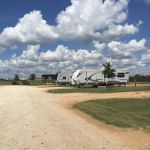 ASJC Acres RV & Mobile Home Park, LLC4.0 (16 reviews)
 Covert Park Beach & Campground4.0 (89 reviews)
 10 Must-Visit Campgrounds in the Midwest for Your Next Outdoor Adventure
 Romantic Camping Spots for Couples: Perfect Getaways in Nature
 Ultimate Guide to Off the Grid Camping in Remote Locations
 How to Cook Over a Campfire Safely for an Enjoyable Outdoor Experience
 Vanlife in Winter: My Personal Experience Living on the Road
 From City to Camp: My Journey to Nature and What I Learned