
- Why Winter Camping is Worth It
- How to Prepare for Winter Camping
- Essential Gear for Winter Camping
- Tips for First-Time Winter Campers
- Choosing the Best Winter Camping Locations
Why Winter Camping is Worth It
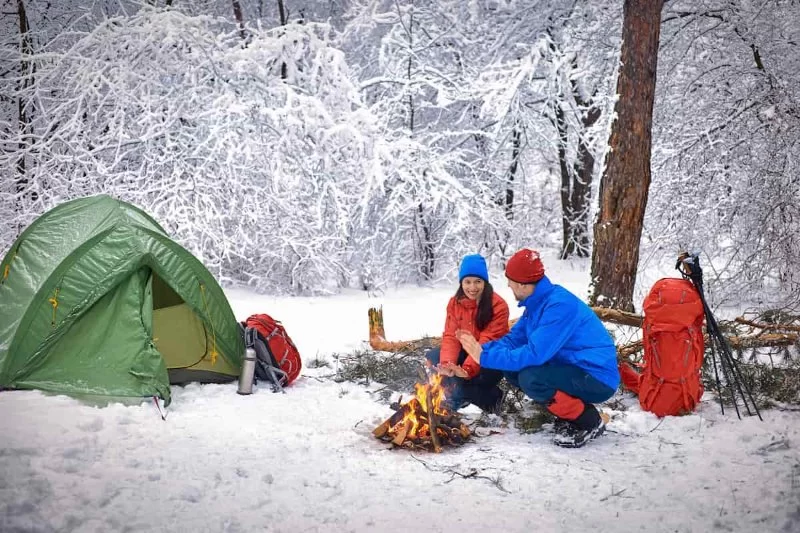
Winter camping is a unique and rewarding experience for those who enjoy the outdoors. While many people associate camping with warm weather and summer months, winter camping offers its own set of advantages that make it an exciting alternative. Imagine waking up to a serene snow-covered landscape, breathing in fresh, crisp air, and enjoying the peaceful solitude of nature without the crowds.
One of the most appealing aspects of winter camping is the opportunity to explore natural areas that are less crowded during the winter months. Popular national parks, forests, and campsites are quieter, giving you a more intimate connection with the environment. Additionally, winter camping offers the chance to engage in seasonal activities like snowshoeing, skiing, and winter hiking, which aren’t available during warmer months.
For first-timers, winter camping may seem daunting, but it’s a great way to challenge yourself and experience nature in a whole new light. The tranquility and beauty of winter landscapes are unmatched, and the rewards of a successful winter camping trip can be incredibly fulfilling.
How to Prepare for Winter Camping
Preparation is key when it comes to winter camping. The conditions can be harsh and unpredictable, so it’s important to be well-prepared to ensure both safety and comfort. Here’s how you can get ready for your winter camping adventure:
- Research the Weather: Before setting out, check the weather forecast for the area where you’ll be camping. Winter weather can change quickly, and knowing what to expect will help you pack accordingly and avoid unpleasant surprises.
- Choose a Suitable Campsite: Some campsites are better equipped for winter camping than others. Look for campsites with winterized facilities or those located in areas that are known for being accessible during the winter months.
- Know the Risks: Winter camping comes with certain risks, such as hypothermia, frostbite, and avalanches. Make sure you understand the risks of your chosen location and know how to stay safe in cold weather.
Essential Gear for Winter Camping
Having the right gear is crucial for winter camping. The cold weather and potential snow or rain require specialized equipment to keep you warm, dry, and comfortable. Here’s a list of essential gear you should bring:
- Winter Sleeping Bag: A high-quality winter sleeping bag rated for temperatures below freezing is essential. Make sure it’s rated for the temperature range you’re expecting during your trip.
- Four-Season Tent: A four-season tent is designed to withstand harsh winter conditions. It provides better insulation and is made to handle snow loads and strong winds.
- Layered Clothing: Dress in layers, starting with moisture-wicking base layers, followed by insulating layers like fleece or down, and finishing with a waterproof outer layer to protect against the elements.
- Winter Boots: Insulated, waterproof boots are a must to keep your feet warm and dry in snowy conditions. Don’t forget to bring thick, warm socks!
- Cooking Equipment: Cooking in winter requires a reliable stove that can work in cold conditions. Make sure to bring fuel that’s suitable for low temperatures, and consider a windproof stove for cooking in snowy weather.
Tips for First-Time Winter Campers
If you're new to winter camping, these tips will help you have a safe and enjoyable experience:
- Start with a Short Trip: If you’re new to winter camping, start with a short trip to familiarize yourself with the conditions and gear. This will help you gain confidence before embarking on longer trips.
- Stay Warm: Cold temperatures are one of the biggest challenges of winter camping. Ensure your clothing and sleeping bag are warm enough to handle freezing temperatures, and always sleep with dry clothes to avoid hypothermia.
- Bring Extra Food and Water: In cold weather, food and water can freeze, so bring extra supplies in case you need them. Be sure to pack high-energy snacks and a way to melt snow for water if necessary.
- Know How to Start a Fire: A campfire can be a lifesaver in winter, providing warmth and a way to cook food. Learn how to start a fire in snowy conditions and bring fire-starting materials such as waterproof matches or a lighter.
- Plan for Daylight Hours: Winter days are shorter, so plan your activities accordingly. Make sure to set up camp before it gets dark, and avoid traveling too far during daylight hours.
Choosing the Best Winter Camping Locations
When it comes to winter camping, choosing the right location is essential for a positive experience. Here are some top locations known for their winter camping opportunities:
- Yosemite National Park, California: Yosemite offers a magical winter landscape, with opportunities for snowshoeing, cross-country skiing, and breathtaking views of snow-capped mountains.
- Great Smoky Mountains National Park, Tennessee/North Carolina: This park offers a peaceful winter experience with fewer crowds and picturesque views of the Appalachian Mountains.
- Rocky Mountain National Park, Colorado: Known for its dramatic mountain landscapes and snow-covered trails, Rocky Mountain National Park is a fantastic winter camping destination for those seeking a challenge.
- Acadia National Park, Maine: Acadia is a beautiful coastal park where you can enjoy winter hikes with views of the Atlantic Ocean, along with snowshoeing and cross-country skiing.
- Zion National Park, Utah: While not as snowy as other destinations, Zion’s winter weather offers a mild and pleasant camping experience, perfect for hiking and exploring the stunning red rock formations.
Winter camping can be an incredibly rewarding experience for those who are prepared. Whether you’re a first-timer or a seasoned camper, taking the time to plan, pack properly, and choose the right location can make all the difference. For more information on winter camping gear or to plan your next trip, visit Camping Rural for expert recommendations and products designed to enhance your camping experience.
 Lazy Loon Campground4.0 (5 reviews)
 Skyline Mobile Home Park2.0 (46 reviews)
 Southfork Mobile Home Park4.0 (42 reviews)
 A & B RV & Mobile Home3.0 (48 reviews)
 Hiawassee Camping4.0 (3 reviews)
 Knebal Springs Campground4.0 (14 reviews)
 10 Must-Visit Campgrounds in the Midwest for Your Next Outdoor Adventure
 Romantic Camping Spots for Couples: Perfect Getaways in Nature
 Ultimate Guide to Off the Grid Camping in Remote Locations
 How to Cook Over a Campfire Safely for an Enjoyable Outdoor Experience
 Vanlife in Winter: My Personal Experience Living on the Road
 From City to Camp: My Journey to Nature and What I Learned