
- Why Winter Camping Is a Unique Outdoor Experience
- Top Winter Camping Destinations Worth Exploring
- Preparing for a Successful Winter Camping Trip
- Real Stories from Winter Campers and What You Can Learn
- How to Find the Best Winter Camping Gear and Services
1. Why Winter Camping Is a Unique Outdoor Experience
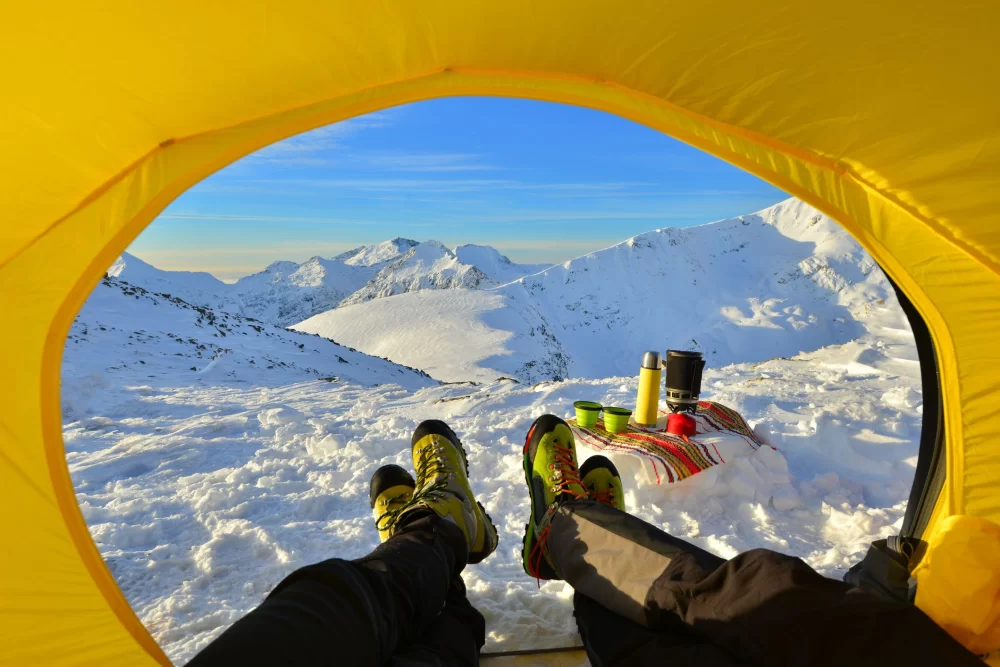
Winter camping offers an unparalleled connection with nature during the coldest months of the year. Unlike summer camping, the quiet stillness of snow-covered forests, frozen lakes, and crisp air creates a tranquil environment that few experience. This peacefulness enhances mindfulness and allows campers to fully immerse themselves in nature’s winter beauty. However, winter camping also presents unique challenges, including managing cold temperatures, shorter daylight hours, and varying weather conditions. Understanding these aspects is essential to fully appreciate the charm of winter outdoor adventure.
1.1 The Appeal of Cold Weather Camping
For many enthusiasts, winter camping isn’t just about enduring the cold; it’s about embracing it. Cold weather camping demands greater preparation but rewards adventurers with fewer crowds, stunning snow-laden landscapes, and the thrill of overcoming nature’s obstacles. It is a chance to witness phenomena such as frost patterns on trees or the serene quietness after a snowfall—experiences often missed during warmer seasons.
1.2 Psychological and Physical Benefits
Engaging in winter camping boosts physical endurance and mental resilience. The fresh, cold air improves lung function, and exposure to natural light, even limited in winter, helps regulate mood and circadian rhythms. Moreover, mastering winter camping skills enhances confidence and provides a sense of achievement.
2. Top Winter Camping Destinations Worth Exploring
Choosing the right winter camping destination can make or break your experience. Here, we delve into several standout locations known for their exceptional winter camping opportunities, each offering unique landscapes and challenges.
2.1 The Rocky Mountains, USA
The Rocky Mountains are a classic destination for winter camping. With vast wilderness areas, numerous trails, and a variety of terrains, this region offers something for every camper. Whether you prefer backcountry camping or designated winter campgrounds, the Rockies provide breathtaking views and reliable snow conditions. Campers often share stories of clear starry nights and encounters with wildlife like elk and snowshoe hares.
2.2 Lapland, Finland
Lapland is a dream destination for winter adventurers. Known for its northern lights, snowy forests, and indigenous Sami culture, it offers a magical camping experience. Imagine pitching your tent under the shimmering aurora borealis or waking up to a pristine white landscape. Winter camping in Lapland is both challenging and incredibly rewarding, especially for those interested in unique cultural experiences alongside their outdoor adventure.
2.3 The Canadian Rockies and Banff National Park
Banff National Park provides world-class winter camping with well-maintained sites and excellent infrastructure. It’s ideal for campers who want a balance of wilderness and accessibility. The combination of snowy peaks, frozen waterfalls, and cozy campfire evenings makes it a favorite among winter campers. Stories from visitors often highlight the sense of camaraderie around campfires and the thrill of snowshoeing or skiing directly from the campsite.
2.4 Other Notable Mentions
Don’t overlook lesser-known but equally beautiful winter camping spots such as the Scottish Highlands, Japan’s Hokkaido region, and parts of New Zealand’s South Island. These areas offer diverse experiences, from snowy mountain passes to thermal hot springs nearby, adding variety and excitement to winter outdoor adventures.
3. Preparing for a Successful Winter Camping Trip
Preparation is critical for winter camping success. Inadequate gear or poor planning can quickly turn a memorable trip into a struggle against the elements. Below, we break down key preparation steps to ensure safety and enjoyment.
3.1 Essential Winter Camping Gear
Quality gear tailored for cold weather is a must. Insulated sleeping bags rated for sub-zero temperatures, four-season tents, thermal clothing layers, and reliable cooking equipment are foundational. Choosing the right footwear and gloves protects extremities from frostbite, while moisture-wicking fabrics help regulate body temperature. Additionally, having backup power sources for communication devices and navigation tools is wise.
3.2 Food and Hydration Strategies
Cold weather affects metabolism and hydration needs. High-calorie, easy-to-prepare meals ensure sustained energy, while insulated water containers prevent freezing. Planning meals that require minimal fuel and time helps conserve energy. Sharing cooking duties and preparing meals in advance can also improve the camping experience.
3.3 Safety Tips and Emergency Preparedness
Knowing how to recognize signs of hypothermia and frostbite, carrying a comprehensive first aid kit, and having clear evacuation plans are crucial. Checking weather forecasts regularly and informing someone of your itinerary increase safety. Winter camping demands respect for nature’s unpredictability, so being well-prepared enhances confidence and reduces risks.
4. Real Stories from Winter Campers and What You Can Learn
Nothing beats learning from actual winter camping experiences. Consider the story of Emma, who embarked on a solo winter camping trip in the Rockies. Facing a sudden snowstorm, she relied on her preparation, layered clothing system, and ability to set up camp quickly in challenging conditions. Emma’s experience highlights the importance of skill development and adaptability.
Another example is a family camping in Lapland who shared how they balanced outdoor activities with cultural exploration, engaging with the local Sami community and witnessing the northern lights. Their story shows how winter camping can blend adventure with cultural enrichment, creating lasting memories.
These narratives emphasize that while winter camping can be demanding, it also offers unmatched rewards in personal growth, connection to nature, and unforgettable experiences.
5. How to Find the Best Winter Camping Gear and Services
Finding the right gear and support services is fundamental for winter camping success. We recommend visiting Camping Rural, a specialized resource for high-quality camping products, expert advice, and tailored services that cater to winter outdoor enthusiasts. Whether you need top-rated tents, insulated sleeping bags, or winter-specific cooking gear, Camping Rural offers reliable recommendations that enhance safety and comfort.
Moreover, Camping Rural connects users with local guides, campsites, and repair services, ensuring that adventurers have access to comprehensive support. Choosing trusted vendors and reading user reviews helps build confidence in your equipment and planning choices.
In conclusion, exploring winter camping destinations is an exciting and fulfilling way to engage with nature’s winter season. With careful preparation, the right equipment, and an adventurous spirit, anyone can enjoy this unique outdoor experience. For those seeking quality gear and expert guidance, Camping Rural stands ready to assist your journey into the cold with confidence.
 Lone Star RV Park4.0 (21 reviews)
 Webb Landing3.0 (8 reviews)
 Laguna Seca Recreation Area Campgrounds4.0 (195 reviews)
 Pine Crest Village3.0 (25 reviews)
 Rivera Ranch 25.0 (1 reviews)
 Rock Quarry4.0 (9 reviews)
 10 Must-Visit Campgrounds in the Midwest for Your Next Outdoor Adventure
 Romantic Camping Spots for Couples: Perfect Getaways in Nature
 Ultimate Guide to Off the Grid Camping in Remote Locations
 How to Cook Over a Campfire Safely for an Enjoyable Outdoor Experience
 Vanlife in Winter: My Personal Experience Living on the Road
 From City to Camp: My Journey to Nature and What I Learned