
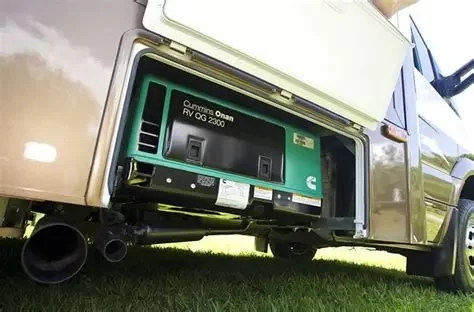
- Best RV Generators for Boondocking - Portable vs Built-in Options
- Understanding Boondocking Power Needs - How Much Energy Do You Really Need?
- Portable RV Generators - Benefits and Limitations
- Built-in RV Generators - Advantages and Considerations
- Real-world Cases and User Experiences - Finding the Perfect Match
- Expert Recommendations and Where to Buy - Visit Camping Rural
1. Best RV Generators for Boondocking - Portable vs Built-in Options
Boondocking, or off-grid camping, offers freedom and solitude but also brings one key challenge — power. Choosing the best RV generators for boondocking can make all the difference between a peaceful retreat and a frustrating experience. Whether you opt for a portable generator or a built-in system, your decision depends on your energy needs, RV setup, and lifestyle.
Both options have pros and cons. Portable generators provide flexibility and affordability, while built-in ones offer convenience and seamless integration. Let’s break down the details and see which type might suit your next adventure best.
2. Understanding Boondocking Power Needs - How Much Energy Do You Really Need?
Before selecting a generator, it’s essential to understand how much power you actually consume while boondocking. RV appliances such as refrigerators, air conditioners, microwaves, and laptops can draw a surprising amount of energy. Calculating your wattage needs helps ensure you don’t buy too little (and run short on power) or too much (and waste fuel or money).
2.1 Estimating Your Energy Consumption
Start by listing your devices and their wattage. For example, a small RV fridge might use 150 watts, while an air conditioner could require 2,000 watts or more. Add a 20% buffer to account for unexpected surges. For most travelers, a 2,000–3,500-watt generator is ideal for light use, while larger rigs may benefit from 4,000 watts or higher.
2.2 Considering Your Lifestyle
Minimalist campers who prefer quiet nights under the stars may only need a small portable generator or even solar support. But if you travel with family or enjoy modern comforts like air conditioning and TV, investing in a higher-output built-in generator could be worthwhile.
3. Portable RV Generators - Benefits and Limitations
Portable generators are the go-to choice for many boondockers, thanks to their versatility and cost-effectiveness. Brands like Honda, Champion, and Westinghouse have produced models specifically designed for RV owners seeking quiet and reliable power.
3.1 Benefits of Portable Generators
Portability means you can use the same generator for multiple purposes — from camping trips to home backup. They’re generally lighter, easier to store, and significantly cheaper than built-in options. Some newer models even feature inverter technology, ensuring clean power for sensitive electronics like laptops and smartphones.
3.2 Limitations to Keep in Mind
However, portable units require manual setup, regular refueling, and safe storage. Noise can also be a concern if you’re camping in quiet areas. You’ll need to manage fuel storage responsibly, as gasoline or propane fumes can be hazardous if mishandled.
3.3 Example: The Weekend Explorer
Consider John, a weekend RV enthusiast who prefers short trips into the mountains. He uses a 2,200-watt portable generator that powers his lights, coffee maker, and laptop. For him, portability and quiet operation outweigh the need for higher wattage or permanent installation.
4. Built-in RV Generators - Advantages and Considerations
Built-in generators are designed to integrate directly into your RV, often powered by diesel, propane, or gas from your main tank. They offer convenience and higher output for extended off-grid stays, making them the preferred choice for full-time RVers.
4.1 Advantages of Built-in Systems
The biggest advantage is ease of use. With the flip of a switch inside your RV, you have instant power. Built-ins are quieter, more stable, and require less manual effort compared to portables. They also tend to provide higher wattage, enough to run air conditioners and multiple appliances simultaneously.
4.2 Key Drawbacks
Installation costs are significant, and maintenance can be complex. Built-in generators also add weight to your RV and consume fuel directly from your vehicle’s supply. For part-time travelers, this investment may not be practical unless long-term use is planned.
4.3 Example: The Full-time Nomad
Take Lisa, who lives in her Class A motorhome year-round. Her built-in Onan 5500 generator keeps her powered through all conditions, from desert heat to forest chill. For her lifestyle, convenience and power consistency are worth the cost and weight.
5. Real-world Cases and User Experiences - Finding the Perfect Match
In online RV forums and communities, debates often arise over which generator type truly reigns supreme. One trend stands out: most part-time travelers prefer portable units for flexibility, while full-timers lean toward built-ins for reliability. A recent survey among RV owners found that 60% valued noise reduction and fuel efficiency over pure power output.
Another notable discussion involved solar-assisted setups. Some RVers combine small portable generators with solar panels and battery banks for eco-friendly off-grid energy. This hybrid approach minimizes generator use while keeping essentials powered — an increasingly popular solution for modern boondockers.
6. Expert Recommendations and Where to Buy - Visit Camping Rural
Experts from Camping Rural recommend choosing based on your travel habits and comfort needs. For frequent travelers or those who stay in remote locations, built-in options provide long-term reliability. Meanwhile, occasional campers benefit most from lightweight, portable inverter generators.
At Camping Rural, you can find a curated selection of RV generators, from compact portable models to high-performance built-ins. The team provides personalized guidance to help you choose the right model for your vehicle size, travel frequency, and power requirements — ensuring your boondocking trips are as comfortable and carefree as possible.


 Salmon Pass Island5.0 (1 reviews)
 HWY 98 RV Park4.0 (29 reviews)
 Davis Senior Mobile Home Park3.0 (10 reviews)
 Ukarydee Equestrian Camping4.0 (87 reviews)
 Dune Campground Loop0.0 (0 reviews)
 None5.0 (2 reviews)
 10 Must-Visit Campgrounds in the Midwest for Your Next Outdoor Adventure
 Romantic Camping Spots for Couples: Perfect Getaways in Nature
 Ultimate Guide to Off the Grid Camping in Remote Locations
 How to Cook Over a Campfire Safely for an Enjoyable Outdoor Experience
 Vanlife in Winter: My Personal Experience Living on the Road
 From City to Camp: My Journey to Nature and What I Learned