
- 1-Preparing-for-Spring-Camping
- 2-Choosing-the-Right-Gear-for-Spring
- 3-Understanding-Spring-Weather-Conditions
- 4-Safety-and-Wildlife-Awareness-in-Spring
- 5-Campfire-and-Cooking-Tips-for-Spring-Camping
- 6-Making-the-Most-of-Your-Camping-Experience
1. Preparing for Spring Camping: Setting the Foundation for Success
Spring camping presents unique challenges and opportunities. As the season transitions from cold to warmer days, it’s essential to plan ahead. Start by selecting a camping site that offers protection from unpredictable weather and early-season bugs. Early spring nights can still be chilly, so preparing for temperature swings is key.
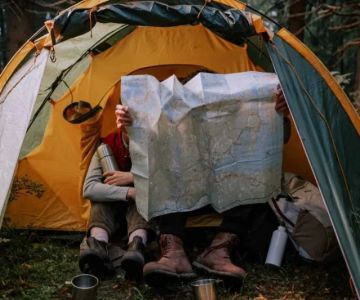
Organizing your trip in advance ensures you have the right permits and understand the local terrain. Checking trail conditions and campsite availability ahead of time will save you stress and enhance your overall experience. Preparation also includes mapping out emergency routes and informing someone of your plans, especially if you’re venturing into more remote areas.
1.1 Planning Around Seasonal Events and Crowds
Spring often attracts weekend campers and nature lovers eager to enjoy blooming landscapes. Choosing weekdays or less popular campgrounds can offer a more peaceful experience. Additionally, aligning your camping dates with seasonal festivals or wildlife events can enrich your trip.
2. Choosing the Right Gear for Spring Camping
When it comes to spring camping gear, versatility and adaptability are essential. Layered clothing helps you adjust to fluctuating temperatures, while waterproof gear guards against rain showers common in spring. Invest in a high-quality sleeping bag rated for cooler temperatures, and consider a tent with strong ventilation to combat morning condensation.
Don’t forget essentials like a durable sleeping pad for insulation from cold ground and waterproof boots for muddy trails. Packing insect repellent and a headlamp will keep you comfortable and safe as days lengthen and bugs become more active.
2.1 Lightweight but Durable Equipment
Spring weather can be unpredictable, so lightweight gear that still offers durability and protection is invaluable. Look for tents with waterproof rainflies and backpacks with ample storage and rain covers. Balancing weight and function ensures ease of movement and preparedness.
3. Understanding Spring Weather Conditions
Spring weather is notoriously changeable. Warm afternoons can swiftly turn to cold, wet nights. Understanding local weather patterns helps you anticipate and prepare for sudden changes. Monitoring forecasts and recognizing signs of storms or temperature drops is vital.
Spring often brings rain, so setting up your tent on higher ground away from potential flooding zones is recommended. Be prepared for muddy conditions and slippery trails by packing extra socks and appropriate footwear.
3.1 Weather-Related Safety Precautions
Knowing how to respond to weather changes ensures safety. For example, during thunderstorms, avoid tall trees and exposed areas. Having a weather radio or smartphone app can keep you informed during your trip.
4. Safety and Wildlife Awareness in Spring
Spring is a time when many animals become more active after winter. Understanding local wildlife habits helps prevent unwanted encounters. Secure your food properly and respect wildlife distances. Carry bear spray where applicable and learn how to react to different animals you might encounter.
Also, be cautious of ticks and other insects that thrive in spring. Wearing long sleeves and checking your body after hikes reduces risks of bites and associated illnesses.
4.1 Emergency Preparedness and First Aid
Carry a well-stocked first aid kit tailored for outdoor use, including treatments for insect bites and minor injuries. Familiarize yourself with the nearest medical facilities and keep emergency contacts accessible.
5. Campfire and Cooking Tips for Spring Camping
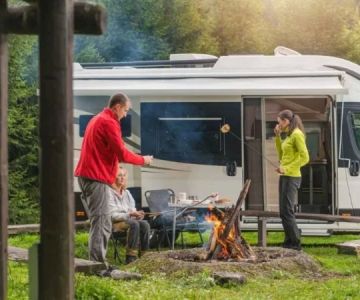
Campfires are a cherished part of camping, especially in spring when evenings can be chilly. Always check fire regulations for your area and use established fire rings. Bring fire-starting materials that work well in damp conditions, like waterproof matches or fire starters.
Cooking simple, nutritious meals that are easy to prepare over a campfire or portable stove enhances your experience. Plan meals that require minimal cleanup to keep your campsite pristine and avoid attracting wildlife.
5.1 Sustainable and Safe Fire Practices
Extinguish fires completely before sleeping or leaving the site to prevent wildfires. Practice Leave No Trace principles to protect the environment for future campers.
6. Making the Most of Your Camping Experience: Activities and Mindfulness
Spring offers unique opportunities to connect with nature. Use your camping trip to enjoy birdwatching, wildflower hikes, or stargazing. Taking time for mindfulness or journaling can deepen your outdoor appreciation and reduce stress.
Sharing these moments with family or friends can build lasting memories. Embracing flexibility and patience with nature’s rhythms ensures a rewarding spring camping adventure.
For more detailed gear recommendations, campsite guides, and expert camping advice, visit Camping Rural. Their curated resources help outdoor enthusiasts prepare effectively and enjoy the best spring camping possible.

 Chimney Creek Campground4.0 (3 reviews)
 Piney Hills RV Park4.0 (5 reviews)
 Ten Mile Campground4.0 (73 reviews)
 The Outpost RV Resort Park Community3.0 (172 reviews)
 Monte Square RV Park3.0 (21 reviews)
 Timber Creek4.0 (39 reviews)
 10 Must-Visit Campgrounds in the Midwest for Your Next Outdoor Adventure
 Romantic Camping Spots for Couples: Perfect Getaways in Nature
 Ultimate Guide to Off the Grid Camping in Remote Locations
 How to Cook Over a Campfire Safely for an Enjoyable Outdoor Experience
 Vanlife in Winter: My Personal Experience Living on the Road
 From City to Camp: My Journey to Nature and What I Learned