
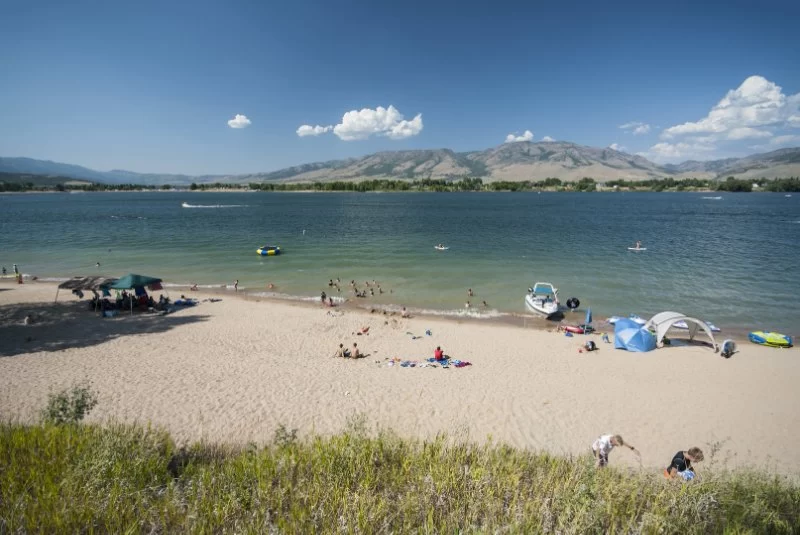
- the-allure-of-campgrounds-with-swimming-beaches - The Allure of Campgrounds with Swimming Beaches
- why-designated-swimming-areas-matter - Why Designated Swimming Areas Matter
- family-friendly-experiences-by-the-water - Family-Friendly Experiences by the Water
- real-stories-from-campers-who-loved-their-swim - Real Stories from Campers Who Loved Their Swim
- how-to-choose-the-perfect-campsite-for-water-fun - How to Choose the Perfect Campsite for Water Fun
- find-your-next-waterfront-campsite-at-camping-rural - Find Your Next Waterfront Campsite at Camping Rural
1. The Allure of Campgrounds with Swimming Beaches
Nothing compares to the feeling of setting up camp just a few steps from a sparkling lake or sun-kissed riverbank. Campgrounds with swimming beaches offer not just a place to cool off, but a complete sensory escape — the laughter of children in the water, the gentle sound of waves, and the golden glow of sunset on the shore. These sites bring the perfect blend of outdoor adventure and relaxing retreat, making them a top choice for campers of all ages.
From spontaneous swims after a morning hike to lazy afternoons floating with a good book, swimming beaches at campgrounds create cherished moments. They provide natural, accessible recreation and can turn an ordinary camping trip into a rejuvenating vacation.
2. Why Designated Swimming Areas Matter
While any body of water may look tempting, only campgrounds with designated swimming areas guarantee safety, cleanliness, and environmental protection. These zones are usually supervised, well-marked, and maintained to meet health and safety standards. For families and groups with young children, this peace of mind is essential.
Moreover, designated zones often include amenities like lifeguard stations, buoy lines, and gentle entry slopes that help swimmers of all abilities enjoy the water. Protecting natural ecosystems is another benefit — designated areas reduce the chance of erosion or wildlife disruption, making your swim both fun and responsible.
3. Family-Friendly Experiences by the Water
Ask any family camper what made their trip memorable, and the answer often involves water. Whether it’s sandcastle competitions, learning to paddleboard, or night swims under a star-lit sky, waterfront campgrounds are hubs for connection. Parents find it easier to unwind knowing their kids are entertained in a safe, contained area, while children love the freedom to explore and play.
For example, a family that recently camped at a lakeside site in northern Michigan shared how their daughter learned to swim during their stay. “It was a huge milestone,” they said, “and having a clear, shallow beach made all the difference.” These kinds of milestones turn into lifelong memories, making swimming beaches a cornerstone of the camping experience.
4. Real Stories from Campers Who Loved Their Swim
Outdoor enthusiasts are often eager to share their favorite waterfront finds. Take Marcus, a solo traveler who discovered a hidden gem while road-tripping across Colorado. “I pulled into a remote campground late and woke up next to a misty lake with a roped-off swimming cove. By noon, I’d made friends over a game of water volleyball. That swim turned into an entire weekend of connection I never expected.”
Then there’s the group of retired hikers who meet annually at a campground known for its sandy beach. “We plan our reunion around the swimming,” one of them explained. “It’s how we recharge and relive old memories.” These stories highlight not just recreation, but the meaningful connections formed around a shared love for nature and water.
5. How to Choose the Perfect Campsite for Water Fun
Selecting the right campsite involves more than checking for proximity to water. To ensure a great experience, consider the following:
- Water Quality and Safety: Research whether the beach is tested regularly and if lifeguards are on duty.
- Accessibility: Look for sites with nearby parking, smooth trails to the beach, and shaded rest areas.
- Activities Offered: Does the location support kayaking, paddleboarding, or snorkeling? Variety matters.
- Rules and Regulations: Some areas have strict swimming hours or age restrictions. Always review campground policies in advance.
Also, reading user reviews and testimonials can give you a clear picture of what to expect. Photos, recent feedback, and even drone videos can reveal details that static maps or brochures don’t show.
6. Find Your Next Waterfront Campsite at Camping Rural
If you’re dreaming of a getaway that includes sandy toes and crystal-clear water, look no further than Camping Rural. Our curated listings highlight campgrounds with swimming beaches and designated swimming areas across the country, so you can find the perfect spot for your next adventure.
We offer detailed information on beach conditions, safety features, available gear rentals, and user ratings — all in one place. Whether you're planning a family reunion or a solo escape, Camping Rural connects you to experiences that refresh your body and soul.

 La Pacifica RV Park4.0 (165 reviews)
 The Resort RV Park4.0 (254 reviews)
 Choestoe Valley RV Park4.0 (31 reviews)
 Chimney Creek Campground4.0 (13 reviews)
 Apollo MHC3.0 (67 reviews)
 Fair Harbor RV Park & Campground4.0 (849 reviews)
 10 Must-Visit Campgrounds in the Midwest for Your Next Outdoor Adventure
 Romantic Camping Spots for Couples: Perfect Getaways in Nature
 Ultimate Guide to Off the Grid Camping in Remote Locations
 How to Cook Over a Campfire Safely for an Enjoyable Outdoor Experience
 Vanlife in Winter: My Personal Experience Living on the Road
 From City to Camp: My Journey to Nature and What I Learned