
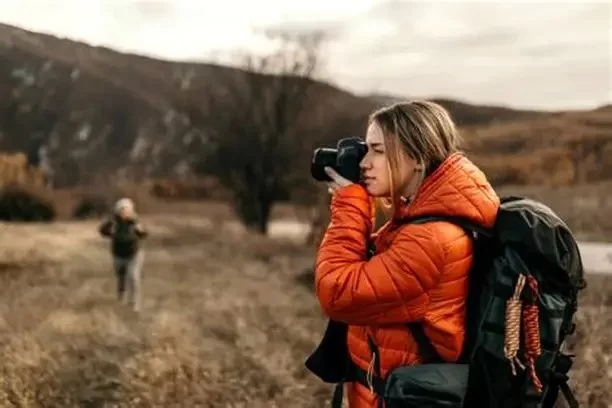
Camping and Photography: How to Capture Stunning Outdoor Shots
For many, camping is a time to escape the hustle of daily life and reconnect with nature. Whether you’re hiking through the forest, lounging by a lake, or watching the sunset from your tent, there are endless photo opportunities. However, capturing the beauty of the outdoors while camping requires a good understanding of photography techniques and the right mindset. In this guide, we’ll show you how to make the most of your camping trips by capturing stunning outdoor shots with your camera.
Preparing for Photography on Your Camping Trip
Before you embark on your camping adventure, it’s important to prepare your photography gear and plan ahead to capture the best shots. Here’s how to get started:
1. Choose the Right Equipment
When it comes to outdoor photography, having the right equipment is essential. You don’t need to carry a heavy professional camera setup, but consider bringing gear that suits the type of shots you want to capture. A DSLR or mirrorless camera with interchangeable lenses is ideal for versatility. However, if you want to keep things lightweight, a high-quality compact camera or smartphone can do the trick. Don't forget extra memory cards, spare batteries, and a lens cleaning kit, especially when camping in remote areas.
2. Consider the Weather Conditions
Weather plays a significant role in the success of outdoor photography. Before heading out, check the weather forecast to help plan your shots. A cloudy day can create soft lighting, perfect for nature shots. On the other hand, a sunny day can provide crisp shadows and vibrant colors. However, unpredictable weather can also provide dramatic skies and moody lighting. Be prepared for sudden changes in weather and have your camera gear protected from rain or dust.
3. Research Your Camping Location
Do some research on your camping destination before you arrive. Explore potential scenic spots for photography, like lakes, waterfalls, or mountain viewpoints. Researching the best times for sunrise or sunset in your location will also help you plan to capture the golden hour, when lighting is soft and ideal for photography. Take note of any wildlife or flora that may offer unique photo opportunities during your trip.
Photography Techniques for Stunning Outdoor Shots
Once you’re out in the field, using the right techniques will help you capture stunning outdoor shots. Here are some tips to elevate your photography while camping:
1. Use the Rule of Thirds
The rule of thirds is a basic photography principle that helps you create a balanced composition. Imagine your photo divided into a 3x3 grid, with two horizontal and two vertical lines. Place key elements of your photo—like the horizon, trees, or a subject—along these lines or at their intersections to create a more dynamic image. This simple technique can instantly improve the composition of your outdoor shots.
2. Play with Lighting and Shadows
Lighting is one of the most important factors in photography, especially in nature. Early mornings and late afternoons provide soft, warm light that adds depth and beauty to your photos. The golden hour, which occurs shortly after sunrise and before sunset, creates the perfect lighting for dramatic landscapes. Don't shy away from playing with shadows as well. The contrast between light and shadow can add a sense of mystery and depth to your photos.
3. Focus on Details and Close-Ups
While wide landscape shots are stunning, don't forget to capture the smaller details of nature. Close-up shots of leaves, flowers, or textures in the forest can add variety and interest to your photography portfolio. Experiment with macro shots, using your camera’s macro lens or the closest focusing distance to capture intricate details that are often overlooked.
4. Capture Motion
Outdoor photography isn’t limited to static landscapes. Capturing motion, such as flowing water, moving clouds, or wildlife in action, can bring your photos to life. Use a slower shutter speed for a smooth, flowing effect in waterfalls or rivers. For capturing animals or fast-moving subjects, a faster shutter speed will freeze the motion and provide sharp, clear images.
Post-Processing and Enhancing Your Photos
After you’ve captured your stunning outdoor shots, post-processing can enhance the details and colors, making your photos truly pop. Here are some post-processing tips to improve your images:
1. Adjust Exposure and Contrast
In post-processing, adjusting exposure and contrast is essential for bringing out the full potential of your photo. Brighten dark areas or adjust highlights to create a more balanced image. Play around with contrast to make colors pop and add depth to your shot.
2. Enhance Color Saturation
Outdoor shots often have vibrant colors that can be enhanced during post-processing. Slightly boosting the saturation of green forests, blue skies, or golden sunsets can bring the natural beauty to life. Be careful not to overdo it, as overly saturated photos can look unnatural.
3. Crop and Straighten Photos
Cropping allows you to improve the composition and remove distractions from your photos. Straightening your photos ensures that horizons appear level and gives your images a more professional look. Use cropping and straightening tools to frame your subject properly and improve overall composition.
If you're looking for camping and photography gear to enhance your next adventure, check out Camping Rural for a variety of equipment, including compact cameras, tripods, and accessories perfect for outdoor photography.
 Forest Ridge Campground4.0 (83 reviews)
 Happy Time RV Park4.0 (27 reviews)
 Fisherman's Group Campground4.0 (9 reviews)
 Jack Creek Recreation Area4.0 (207 reviews)
 Bears Den Rv Park4.0 (27 reviews)
 Lazy River Camping Area4.0 (153 reviews)
 10 Must-Visit Campgrounds in the Midwest for Your Next Outdoor Adventure
 Romantic Camping Spots for Couples: Perfect Getaways in Nature
 Ultimate Guide to Off the Grid Camping in Remote Locations
 How to Cook Over a Campfire Safely for an Enjoyable Outdoor Experience
 Vanlife in Winter: My Personal Experience Living on the Road
 From City to Camp: My Journey to Nature and What I Learned