
- 1-Importance-of-Nighttime-Safety-When-Camping
- 2-Preparing-Your-Campsite-for-Night
- 3-Essential-Equipment-for-Nighttime-Safety
- 4-Managing-Wildlife-Risks-After-Dark
- 5-Personal-Safety-Tips-During-Nighttime-Camping
- 6-Real-Stories-Highlight-Why-Night-Safety-Matters
- 7-Additional-Resources-for-Camping-Safety
1. Importance of Nighttime Safety When Camping
Camping under the stars offers a unique blend of adventure and tranquility, but nighttime introduces a set of risks that require careful attention. Understanding camping safety tips for nighttime is essential to protect yourself, your loved ones, and your gear. Darkness limits visibility, making navigation more difficult and increasing the chance of accidents or wildlife encounters.
Being aware of the environment and anticipating nighttime challenges can significantly enhance your camping experience. Many seasoned campers emphasize that preparing for the night is just as important as daytime activities, ensuring safety, comfort, and peace of mind.
2. Preparing Your Campsite for Night
Setting up your campsite thoughtfully lays the foundation for a safe night. Choose a flat, clear area away from animal trails and avoid low spots prone to water accumulation. Keeping your campsite tidy reduces the risk of tripping over equipment or unseen obstacles after dark.
Lighting plays a critical role; stringing up lanterns or solar lights around the tent and common areas helps everyone move safely and deters wildlife. Additionally, securing food in bear-proof containers or hanging it from trees minimizes unwanted visitors.
3. Essential Equipment for Nighttime Safety
Equipping yourself properly is a cornerstone of camping safety tips for nighttime. Reliable flashlights or headlamps with extra batteries are indispensable for navigating in the dark. Reflective gear or light strips on tents and backpacks improve visibility and prevent accidents.
Carrying a whistle or personal alarm can alert others if you find yourself in trouble. Furthermore, having a first aid kit and knowing basic emergency procedures provide added security during unexpected situations.
4. Managing Wildlife Risks After Dark
Wildlife is often more active at night, so understanding how to minimize encounters is vital. Avoid leaving food scraps or scented items unattended, as these attract animals. Making noise periodically while moving around your campsite can alert animals to your presence and prevent surprise encounters.
Many national parks and wilderness areas provide specific guidelines for wildlife safety at night; following these rules helps protect both campers and animals. For instance, in some regions, it’s recommended to avoid walking alone after dark.
5. Personal Safety Tips During Nighttime Camping
Staying alert and prepared goes beyond equipment and campsite setup. Sharing your itinerary and campsite location with a trusted person ensures help can be summoned if necessary. Avoid wandering far from your site without proper lighting or communication devices.
Wearing appropriate clothing layers prevents hypothermia risks, as temperatures often drop significantly at night. Keeping a charged phone or communication device on hand is also essential in case of emergencies.
6. Real Stories Highlight Why Night Safety Matters
One memorable account from a family camping trip in Colorado involved a bear attracted to unsecured food at night. Thanks to their preparation and adherence to safety tips, the family remained safe, and the animal was safely deterred without incident.
Another camper shared how a strong headlamp and reflective gear prevented a serious fall on a rocky trail during a midnight bathroom trip, underscoring the importance of proper lighting.
These stories illustrate how simple precautions rooted in camping safety tips for nighttime can protect lives and create lasting positive experiences.
7. Additional Resources for Camping Safety
To further enhance your preparedness, consulting resources like Camping Rural offers curated recommendations on the best gear, safety products, and local guidelines tailored for nighttime camping. These resources empower campers to make informed decisions and enjoy nature responsibly.
Whether you’re a seasoned adventurer or new to camping, investing time in learning and applying nighttime safety tips ensures every trip is memorable for the right reasons.

 Manton Christian Camp4.0 (15 reviews)
 Casey KOA Journey4.0 (400 reviews)
 Twin Harbor Property Owners4.0 (168 reviews)
 Beaver Dam Campground4.0 (104 reviews)
 Triple Creek Campground4.0 (276 reviews)
 Prince Creek Boat-In Campground5.0 (7 reviews)
 10 Must-Visit Campgrounds in the Midwest for Your Next Outdoor Adventure
 Romantic Camping Spots for Couples: Perfect Getaways in Nature
 Ultimate Guide to Off the Grid Camping in Remote Locations
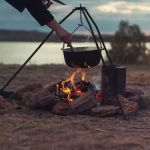 How to Cook Over a Campfire Safely for an Enjoyable Outdoor Experience
 Vanlife in Winter: My Personal Experience Living on the Road
 From City to Camp: My Journey to Nature and What I Learned