
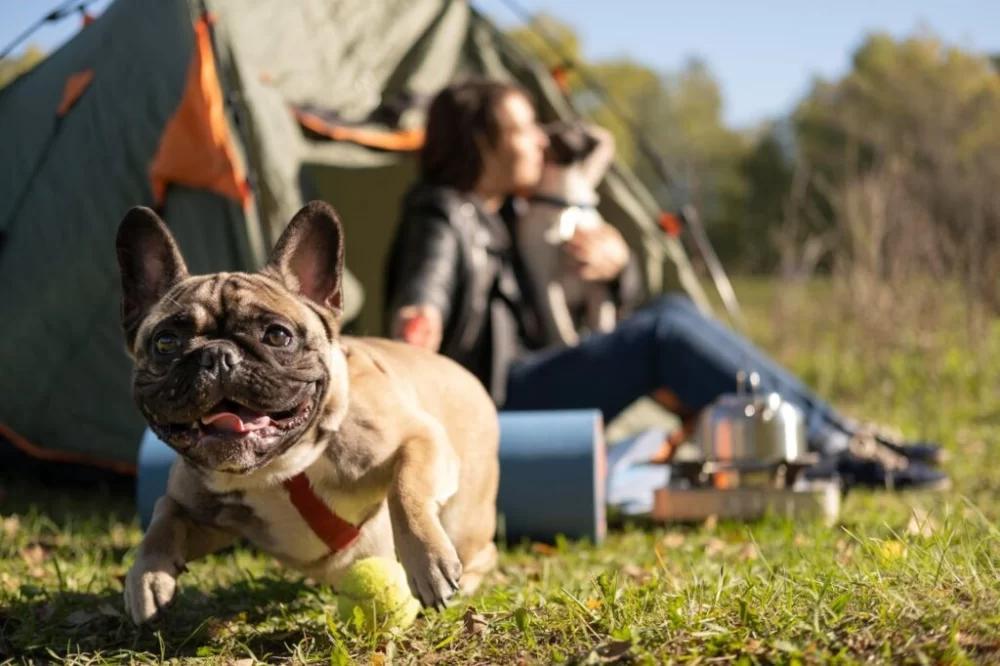
- Preparing Nutrition for Camping with Pets
- Choosing the Right Food for Pets on the Trail
- Hydration and Water Management
- Special Diet Considerations for Camping Pets
- Real-Life Experience and Practical Advice
1. Preparing Nutrition for Camping with Pets
When planning a camping trip that includes your beloved pet, nutrition preparation is crucial to keeping them healthy and comfortable throughout your outdoor adventure. Unlike humans, pets have specific dietary needs that must be carefully managed in unfamiliar environments. Packing the right kind of food ahead of time ensures your pet remains energized, maintains proper digestion, and avoids any discomfort that could spoil your trip.
It’s important to consider your pet’s regular diet and find equivalent or compatible options that can be easily transported and stored during camping. Many pet owners opt for high-quality dry kibble due to its convenience and long shelf life. However, supplementing their meals with fresh ingredients or specialized camping pet food can help meet their nutritional requirements more comprehensively.
Planning Portions and Storage
Calculate daily portions based on your pet’s weight and activity level during camping. Pets tend to expend more energy outdoors, so slight increases in food quantity may be necessary. Additionally, using airtight containers or resealable bags protects food from moisture and pests. For optimal convenience and a broad range of products suited for outdoor nutrition, Camping Rural offers excellent options tailored for camping pets.
2. Choosing the Right Food for Pets on the Trail
Selecting appropriate food for pets while camping is not just about convenience but also about maintaining a balanced diet that supports their health and stamina. For active pets, protein-rich food sources help sustain muscle strength and energy levels. Ingredients such as chicken, fish, and lamb are often favored for their digestibility and nutrient profile.
Additionally, including fiber-rich components like sweet potatoes or pumpkin aids digestion, which can be challenged by changes in routine or diet during camping. Avoid feeding pets human junk food or treats with unknown ingredients, as these can cause digestive upset or even toxicity.
Dealing with Food Sensitivities
If your pet has known allergies or food sensitivities, bring familiar food brands to reduce the risk of reactions. Gradually introducing new foods before the trip can help assess tolerance. Always carry some emergency supplies like hypoallergenic treats or vet-approved supplements for unforeseen needs.
3. Hydration and Water Management
Proper hydration is as vital for pets as it is for humans, especially during camping where physical activity and environmental conditions can vary widely. Pets can quickly become dehydrated in warm weather or while hiking, leading to fatigue or heatstroke.
Always carry enough clean, fresh water specifically for your pet. Portable water bowls designed for camping can make it easier to provide water frequently. Avoid allowing pets to drink from stagnant lakes or streams, as these can harbor harmful bacteria or parasites.
Signs of Dehydration and Preventative Steps
Be vigilant for signs such as excessive panting, dry gums, lethargy, or sunken eyes. To prevent dehydration, encourage your pet to drink regularly, especially after exercise. Planning rest breaks and shade access is also essential to regulate their body temperature effectively.
4. Special Diet Considerations for Camping Pets
Some pets may have additional dietary needs due to age, health conditions, or breed. For example, senior dogs might require joint-support supplements or easily digestible food, while puppies need nutrient-dense meals to support growth. Pets with diabetes or kidney issues require strict diet management, which must be maintained even while camping.
Consult your veterinarian before camping to discuss any special nutrition needs and to get recommendations for portable, suitable food and supplements. This professional guidance adds a layer of safety and confidence to your camping plans.
Emergency Preparedness
Having a first aid kit that includes nutritional supplements or electrolyte powders can be a lifesaver. Also, know the location of the nearest veterinary clinic relative to your camping site for quick access if needed.
5. Real-Life Experience and Practical Advice
Consider the story of a camper named Lisa who brought her energetic Labrador on a week-long hike. She carefully planned her dog’s meals by mixing commercial kibble with homemade dehydrated meat treats to maintain energy levels. On the second day, her dog showed signs of mild dehydration, but Lisa’s preparedness with portable water bowls and electrolyte supplements helped her quickly stabilize the situation.
This example highlights the importance of combining nutritional knowledge with practical tools and vigilance. Whether you’re a first-time camper or a seasoned outdoor enthusiast, paying close attention to your pet’s food and nutrition needs is key to a successful trip.
For those wanting to explore the best pet food options and outdoor nutrition gear, Camping Rural is the ideal destination, offering a wide range of quality products tailored for camping with pets.


 Waterfront RV Park5.0 (3 reviews)
 Apple Canyon Campground4.0 (8 reviews)
 Mystic Waters Campground4.0 (256 reviews)
 Mesozoic Meadows0.0 (0 reviews)
 Talladega Knights RV Park4.0 (51 reviews)
 Stephens Bay RV Park4.0 (41 reviews)
 10 Must-Visit Campgrounds in the Midwest for Your Next Outdoor Adventure
 Romantic Camping Spots for Couples: Perfect Getaways in Nature
 Ultimate Guide to Off the Grid Camping in Remote Locations
 How to Cook Over a Campfire Safely for an Enjoyable Outdoor Experience
 Vanlife in Winter: My Personal Experience Living on the Road
 From City to Camp: My Journey to Nature and What I Learned