
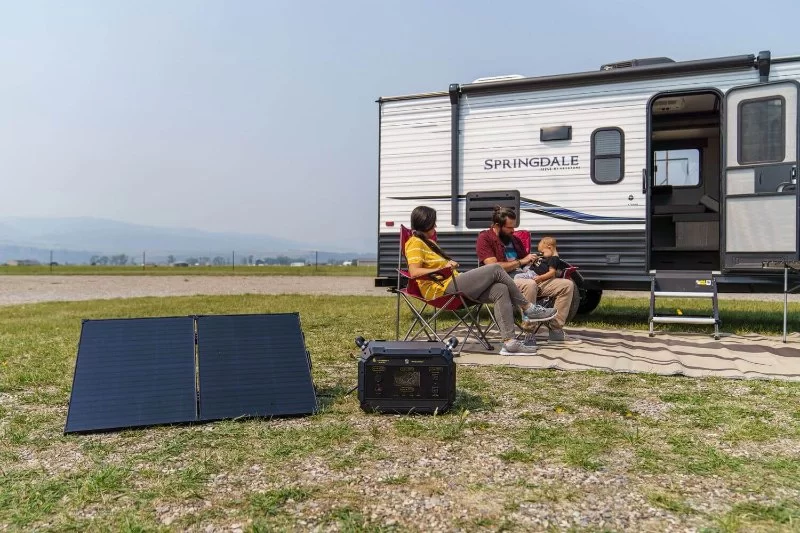
Complete Guide to Solar Power Solutions for Camping
- 1. Understanding Solar Power for Camping
- 2. Benefits of Using Solar Power While Camping
- 3. Choosing the Best Solar Equipment for Your Camping Trip
- 4. How to Set Up Solar Power for Camping
- 5. Case Studies and Real-World Examples of Solar Camping
- 6. Additional Tips and Considerations for Solar Camping
1. Understanding Solar Power for Camping
If you love spending time outdoors but still want to keep your devices charged, using solar power while camping is the way to go. Solar power is the most eco-friendly and sustainable option for powering your electronics, lights, and other camping essentials. But with so many different solar products available, it’s essential to understand what works best for your needs and how you can incorporate solar energy into your camping lifestyle.
Solar power for camping involves using solar panels and related equipment to convert sunlight into electricity. This electricity can then be used to charge batteries, power lights, run appliances, and even charge mobile devices like phones and laptops. The beauty of solar power is that it’s a clean, renewable energy source that works almost anywhere the sun shines.
2. Benefits of Using Solar Power While Camping
Choosing to use solar power while camping can provide numerous benefits, both for your comfort and the environment:
2.1. Sustainability
One of the primary reasons for using solar power while camping is its environmental benefit. Unlike traditional fuel-powered generators, solar power doesn't emit harmful gases, making it a cleaner energy source. By relying on solar panels to power your equipment, you are reducing your carbon footprint and helping to protect the natural environment you enjoy during your camping trips.
2.2. Cost-Effectiveness
While solar power equipment may require an initial investment, over time, it can save you money. Unlike gas or propane, solar power is free once the system is set up. No more running out of fuel in the middle of a trip or paying for refills. Solar panels and batteries can last for many years, and their maintenance costs are minimal compared to traditional power sources.
2.3. Independence and Convenience
With solar power, you're no longer reliant on campsites with electrical hookups or looking for the nearest outlet. Solar energy gives you the freedom to camp anywhere, whether it’s deep in the woods, on a remote beach, or in the mountains. All you need is sunlight, and you can stay powered up for the duration of your trip.
3. Choosing the Best Solar Equipment for Your Camping Trip
When selecting solar equipment for your camping trip, there are a few factors to consider to ensure you get the most out of your setup:
3.1. Solar Panels
Solar panels are the most important component of any solar power system. There are different types of panels, such as portable foldable solar panels, rigid panels, and flexible solar panels. For camping, portable and foldable solar panels are often the best option, as they are lightweight, compact, and easy to transport.
When choosing solar panels, consider the amount of power you need. If you're planning on charging multiple devices like phones, tablets, and cameras, you'll need a larger panel that can generate more electricity. Always check the wattage to ensure it will meet your power requirements.
3.2. Solar Batteries
To store the energy collected by your solar panels, you'll need a solar battery. Solar batteries come in various sizes and capacities, so choose one that matches your energy needs. A good battery will allow you to use power at night or on cloudy days when the panels aren’t generating enough energy. Ensure the battery has enough capacity to store energy for multiple days of camping if necessary.
3.3. Solar Power Generators
If you're looking for a more versatile setup, consider a solar power generator. These systems include both the solar panels and the battery storage in one portable unit. They can power larger devices, such as mini-fridges, lights, and laptops, making them ideal for longer camping trips or for those who want to power multiple devices at once.
4. How to Set Up Solar Power for Camping
Setting up solar power for camping is easier than you might think. Here’s a simple guide to get you started:
4.1. Select a Suitable Location
Choose a sunny spot for your solar panels. Ideally, the panels should be placed in an area where they can receive direct sunlight for the majority of the day. Avoid areas with too much shade, such as under trees or beside tall structures, as this will reduce the efficiency of your solar panels.
4.2. Position the Panels
Solar panels should be angled towards the sun for maximum energy collection. Many portable panels come with adjustable stands or brackets to help you achieve the optimal angle. If you're using a fixed installation, ensure the angle matches the latitude of your camping location.
4.3. Connect to Batteries or Devices
Once the solar panels are in place, connect them to your solar battery or directly to your devices, depending on your setup. Many solar power kits include easy-to-use connectors, and some even have built-in inverters to convert the solar energy into usable AC power.
5. Case Studies and Real-World Examples of Solar Camping
Many campers have embraced solar power and shared their experiences online, helping others learn from their successes. For instance, a family camping in the Colorado Rockies used portable solar panels to power their lighting, small kitchen appliances, and mobile devices. With a solar power generator, they had enough energy to enjoy the outdoors without worrying about running out of power.
Another example is a solo camper who spent an entire week in the remote wilderness of Utah using only solar energy to charge their phone, camera, and a small fridge. Despite being far from civilization, the camper was able to enjoy the comforts of modern technology without relying on a noisy, polluting generator.
6. Additional Tips and Considerations for Solar Camping
Before you embark on your next camping trip with solar power, keep these additional tips in mind:
6.1. Monitor Battery Levels
Keep an eye on your solar battery levels, especially during cloudy or rainy days when solar energy collection may be limited. It's important to recharge your batteries as soon as they start to dip below 50% to ensure you have enough power for your needs.
6.2. Invest in Quality Equipment
While budget-friendly solar power kits exist, investing in high-quality, durable solar panels and batteries can save you time and frustration in the long run. Quality equipment ensures better energy efficiency and longer-lasting performance.
6.3. Plan for Cloudy Days
If you're camping for an extended period, it's essential to plan for cloudy days or limited sunlight. Consider bringing extra power sources, such as a portable power bank, to keep essential devices charged if the solar panels aren’t able to generate enough energy.
By following these tips, you can enjoy a comfortable and sustainable camping experience with solar power. Ready to find the best solar products for your next camping trip? Visit Refined Travel for expert recommendations and the right equipment for your needs.

 Big Bobber Resort4.0 (11 reviews)
 Hasler Lake Campground (private)4.0 (29 reviews)
 Windswept RV Park4.0 (86 reviews)
 McBride RV Park4.0 (17 reviews)
 Bates Creek RV Park4.0 (34 reviews)
 Davidson River Campground4.0 (562 reviews)
 10 Must-Visit Campgrounds in the Midwest for Your Next Outdoor Adventure
 Romantic Camping Spots for Couples: Perfect Getaways in Nature
 Ultimate Guide to Off the Grid Camping in Remote Locations
 How to Cook Over a Campfire Safely for an Enjoyable Outdoor Experience
 Vanlife in Winter: My Personal Experience Living on the Road
 From City to Camp: My Journey to Nature and What I Learned