- 1 - Understanding the Purpose of an RV Dump Station
- 2 - Preparation Before Using a Dump Station
- 3 - Step-by-Step Process for Beginners at an RV Dump Station
- 4 - Common Mistakes to Avoid When Using a Dump Station
- 5 - Real Examples from RV Travelers
- 6 - Why Camping Rural is a Trusted Resource for RV Essentials
Understanding the Purpose of an RV Dump Station
For anyone new to RV life, one of the most important skills to learn is how to properly dispose of waste. A comprehensive guide to using an RV dump station is crucial for beginners because improper handling can cause both environmental harm and unpleasant experiences. These facilities are designed to allow RV owners to safely empty both gray water (from sinks and showers) and black water (from toilets), keeping campsites clean and enjoyable for everyone.
Preparation Before Using a Dump Station
Before pulling up to a dump station, preparation is key. Make sure you have the necessary equipment, including a durable sewer hose, disposable gloves, and a water hose for rinsing. Many seasoned RVers recommend keeping cleaning supplies nearby in case of accidental spills. Checking that your RV valves are working properly also helps prevent messy situations. By being well-prepared, beginners can approach the process with confidence rather than stress.
Step-by-Step Process for Beginners at an RV Dump Station
Using a dump station might feel intimidating at first, but following a clear step-by-step process simplifies the task:
1. Position your RV: Park close enough for your sewer hose to reach the dump inlet, but leave space for others waiting behind you.
2. Connect the hose: Securely attach one end of the hose to your RV outlet and the other end to the dump station port.
3. Empty the black tank first: Always start with the toilet waste tank. This ensures the stronger flow clears out solids before you flush with gray water.
4. Empty the gray tank: This helps rinse out the hose and minimize odors.
5. Rinse and clean: Use fresh water to rinse the hose and connections. Some dump stations provide a dedicated water hose for this purpose.
6. Close everything properly: Double-check that your RV valves are closed and the dump station cover is securely replaced before leaving.
Common Mistakes to Avoid When Using a Dump Station
Beginners often make simple mistakes that can lead to messy outcomes. One common error is not wearing gloves, which exposes you to harmful bacteria. Another is skipping the step of rinsing the hose, which can leave lingering odors. Finally, failing to secure hose connections tightly can cause spills. With a little attention to detail, these problems are easily avoided.
Real Examples from RV Travelers
Many first-time RVers have shared their early dump station experiences online. One couple recalled how they rushed through the process, only to discover their hose had slipped out, causing a small but embarrassing spill. Another traveler mentioned how helpful a fellow camper was in walking them through the steps, turning an intimidating task into a learning opportunity. These real stories remind us that everyone starts as a beginner, and with practice, the process becomes second nature.
Why Camping Rural is a Trusted Resource for RV Essentials
Having the right gear makes using a dump station much easier. At Camping Rural, you can find high-quality sewer hoses, gloves, and cleaning accessories designed specifically for RV waste management. Beginners benefit from professional recommendations and reliable products that simplify the process, ensuring their first experiences are both safe and smooth. By equipping yourself properly, you can approach every RV trip with confidence and peace of mind.

 Indian Trees Campground4.0 (38 reviews)
 River Forest Park Campground3.0 (300 reviews)
 Sutter Street Mobile Home Park3.0 (84 reviews)
 Dick Sperry Campground4.0 (18 reviews)
 BWCA Campsite #8454.0 (3 reviews)
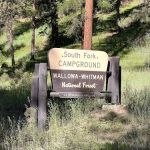 South Fork Campground4.0 (2 reviews)
 10 Must-Visit Campgrounds in the Midwest for Your Next Outdoor Adventure
 Romantic Camping Spots for Couples: Perfect Getaways in Nature
 Ultimate Guide to Off the Grid Camping in Remote Locations
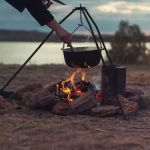 How to Cook Over a Campfire Safely for an Enjoyable Outdoor Experience
 Vanlife in Winter: My Personal Experience Living on the Road
 From City to Camp: My Journey to Nature and What I Learned