
- 1 - Why Water Filtration Matters in Backpacking Safety
- 2 - Understanding Gravity Water Filters
- 3 - Understanding Pump Filters
- 4 - Side-by-Side Comparison of Gravity vs. Pump Filters
- 5 - Real-World Cases and User Experiences
- 6 - Choosing the Right Filter for Your Backpacking Needs
- 7 - Why Camping Rural is Your Trusted Source
1. Why Water Filtration Matters in Backpacking Safety
Backpacking through remote trails or wilderness areas exposes hikers to streams and lakes that may look clean but often contain bacteria, protozoa, or even harmful chemicals. The detailed comparison of gravity water filters vs. pump filters for backpacking safety matters because choosing the right method can mean the difference between a safe adventure and a serious illness. Reliable water treatment is not just about comfort—it’s about survival in unpredictable conditions.
2. Understanding Gravity Water Filters
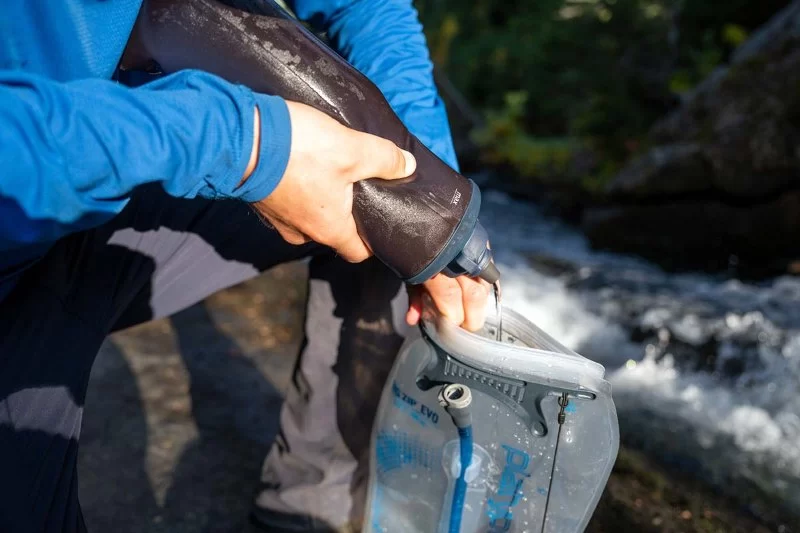
Gravity water filters use a simple principle: water flows down through a filter cartridge, powered by gravity alone. They are popular among groups because they allow you to filter large amounts of water with minimal effort. Simply hang the water bag on a tree, attach the filter, and let gravity do the work. This “hands-off” approach makes it ideal for setting up camp after a long day of hiking.
However, gravity filters can be bulkier to carry and may clog if the water source is silty. They shine when efficiency and group convenience are more important than speed for a single bottle refill.
3. Understanding Pump Filters
Pump filters require manual effort: you physically pump water through a cartridge into a clean container. They are often favored for solo hikers who need quick refills on the trail. Pump filters are precise, allowing you to draw water from shallow or difficult sources where gravity systems might be impractical.
The downside is the physical effort required, especially after a long day of trekking. Pumping several liters for a group can become tiring. On the other hand, their compact design makes them easier to pack and use in a wide variety of conditions.
4. Side-by-Side Comparison of Gravity vs. Pump Filters
When making a detailed comparison of gravity water filters vs. pump filters for backpacking safety, several factors stand out:
Ease of Use: Gravity filters require minimal effort but take longer to set up. Pump filters offer immediate results with physical labor.
Capacity: Gravity systems excel in filtering large volumes of water, making them better for groups. Pump filters are efficient for individual use or small groups.
Portability: Pump filters are more compact, while gravity filters are bulkier but efficient once set up.
Water Quality: Both systems can handle bacteria and protozoa effectively. Some advanced models in each category also remove viruses and heavy metals, but this depends on the brand and cartridge quality.
5. Real-World Cases and User Experiences
On backpacking forums, many hikers share their experiences with both systems. One hiker recalled a trip through the Sierra Nevada where their pump filter clogged after repeated use in silty streams. They switched to a gravity system for the remainder of the trip and appreciated the hands-free approach at camp. Conversely, another backpacker in the Appalachian Trail community emphasized how their pump filter saved them during a long trek when they needed to quickly refill water at shallow springs.
These real-world cases highlight that no single system is “better”—the right choice depends on context and the type of trip you’re planning.
6. Choosing the Right Filter for Your Backpacking Needs
The decision between gravity and pump filters ultimately comes down to your backpacking style. Solo hikers or ultralight adventurers may prefer pump filters for their speed and portability. Families or groups often lean toward gravity systems to reduce effort and maximize efficiency. Consider the type of water sources you expect—clear mountain streams versus muddy ponds—and the duration of your trip.
For anyone new to backpacking, it’s wise to test both systems on shorter trips before committing to one for an extended expedition.
7. Why Camping Rural is Your Trusted Source
At Camping Rural, we provide expert advice and curated selections of both gravity and pump water filters. Whether you’re planning a weekend escape or a multi-week trek, our recommendations are based on real-world testing and customer feedback. We believe safety and convenience should never be compromised, and that’s why our platform is designed to help you choose the filter that fits your needs best. Trust Camping Rural to guide you toward safer, more enjoyable adventures.

 Diamond Campground Inc.4.0 (358 reviews)
 Mobile Home Park2.0 (8 reviews)
 Laurel Lake Campgrounds3.0 (22 reviews)
 Oakdale Mobile Home Park3.0 (72 reviews)
 East Fork Campgrounds Check-In4.0 (3 reviews)
 Blackwell Horse Camp4.0 (166 reviews)
 10 Must-Visit Campgrounds in the Midwest for Your Next Outdoor Adventure
 Romantic Camping Spots for Couples: Perfect Getaways in Nature
 Ultimate Guide to Off the Grid Camping in Remote Locations
 How to Cook Over a Campfire Safely for an Enjoyable Outdoor Experience
 Vanlife in Winter: My Personal Experience Living on the Road
 From City to Camp: My Journey to Nature and What I Learned