
- 1-Why-Choose-Eco-Friendly-Camping-Sites-in-National-Parks
- 2-Features-of-Eco-Friendly-Camping-Sites
- 3-Top-Eco-Friendly-Camping-Sites-in-National-Parks
- 4-Real-Experiences-from-Eco-Conscious-Campers
- 5-How-Camping-Rural-Supports-Sustainable-Camping
1. Why Choose Eco-Friendly Camping Sites in National Parks
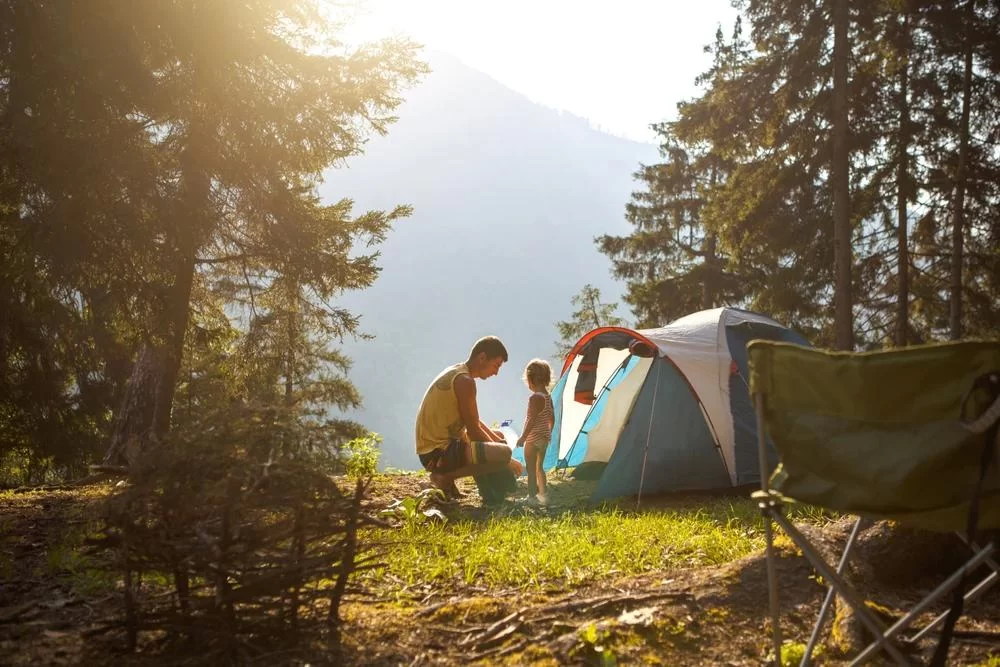
Camping in national parks offers a perfect escape into nature’s beauty, but it also comes with responsibility. Eco-friendly camping sites in national parks help preserve delicate ecosystems by minimizing human impact. Choosing these sites means embracing sustainable practices that protect flora, fauna, and natural resources for future generations.
Such sites encourage campers to reduce waste, conserve water, and respect wildlife habitats, making your outdoor adventure not only enjoyable but also environmentally responsible. In an era of increasing environmental awareness, eco-friendly camping fosters a deeper connection with nature through mindful travel.
2. Features of Eco-Friendly Camping Sites
Eco-friendly camping sites are designed to integrate with nature while reducing ecological footprints. Key features include:
Low-Impact Infrastructure
These sites utilize composting toilets, solar-powered lighting, and minimal permanent structures to lessen environmental disturbance.
Waste Management Systems
Proper recycling, composting options, and “pack-in, pack-out” policies help maintain the cleanliness and natural state of the park.
Water Conservation Measures
Water-efficient facilities and guidelines encourage campers to use water sparingly.
Educational Signage and Programs
Informative displays and ranger-led sessions promote awareness about local ecosystems and responsible camping.
3. Top Eco-Friendly Camping Sites in National Parks
Some national parks are pioneers in offering exceptional eco-friendly camping experiences:
Yosemite National Park, California
Home to several green campsites featuring solar showers and zero-waste initiatives, Yosemite sets a benchmark for sustainable camping.
Banff National Park, Canada
Banff promotes Leave No Trace principles with designated eco-camping zones that blend into the alpine environment.
Kruger National Park, South Africa
Known for wildlife conservation, Kruger offers eco-lodges and campsites focused on minimal environmental impact and community involvement.
4. Real Experiences from Eco-Conscious Campers
Emma, an avid camper, shared how choosing an eco-friendly campsite in Yosemite transformed her trip. She appreciated the solar-powered amenities and strict waste policies, which deepened her respect for nature. The experience motivated her to adopt sustainable habits beyond camping.
Similarly, Raj recounted a memorable stay at Banff’s eco-campsite where ranger talks about wildlife conservation enriched his understanding of ecosystem preservation. Such immersive experiences highlight the added value of eco-conscious camping choices.
5. How Camping Rural Supports Sustainable Camping
For those seeking eco-friendly camping sites in national parks, Camping Rural offers expert guidance, gear recommendations, and site reviews focused on sustainability. Their platform helps campers find environmentally responsible options tailored to their needs.
Camping Rural also shares tips on low-impact camping techniques, helping users prepare for respectful and enjoyable outdoor adventures. By promoting green camping, Camping Rural plays an active role in preserving nature’s beauty while enhancing the camping experience.

 Bear Canyon Campground4.0 (257 reviews)
 River Ranch RV Resort4.0 (355 reviews)
 USA RV Resorts Lake Cove4.0 (213 reviews)
 Camp McDaniel4.0 (6 reviews)
 Woodside RV & Trailer Park4.0 (64 reviews)
 Dune Lake Campground4.0 (207 reviews)
 10 Must-Visit Campgrounds in the Midwest for Your Next Outdoor Adventure
 Romantic Camping Spots for Couples: Perfect Getaways in Nature
 Ultimate Guide to Off the Grid Camping in Remote Locations
 How to Cook Over a Campfire Safely for an Enjoyable Outdoor Experience
 Vanlife in Winter: My Personal Experience Living on the Road
 From City to Camp: My Journey to Nature and What I Learned