
- #why-finding-rv-dump-stations-is-essential-for-travelers
- #understanding-rv-waste-systems–and-common-challenges
- #best-tools–and-resources-for-locating-dump-stations
- #real-life-experiences–and-road-trip-tips
- #maintaining-cleanliness–and-environmental-responsibility
- #expert-advice–and-recommendations-from-camping-rural
1. Why Finding RV Dump Stations Is Essential for Travelers
Every RV traveler knows that managing waste is one of the least glamorous—but most necessary—parts of the journey. Whether you’re on a weekend road trip or a month-long cross-country adventure, finding reliable dump stations ensures your vehicle stays sanitary and environmentally compliant.
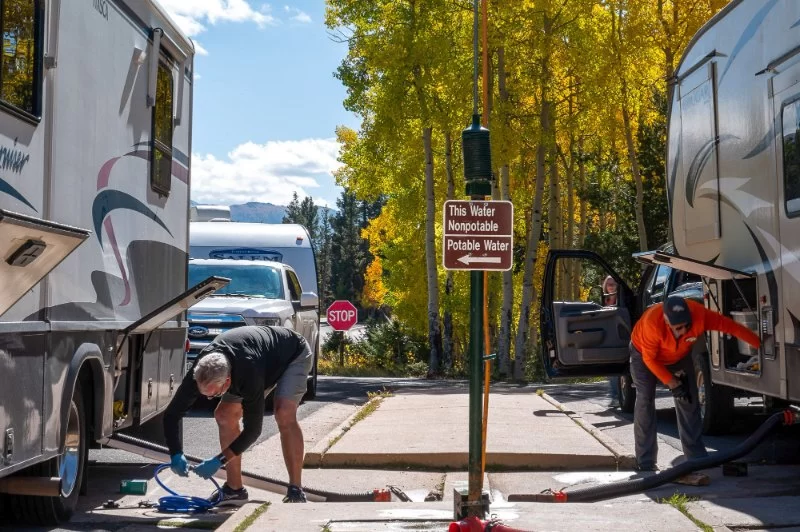
RV dump stations are designated facilities where you can safely dispose of gray and black water. These sites are vital for maintaining hygiene, preventing contamination, and ensuring your RV’s plumbing system functions properly. Unfortunately, many new RV owners underestimate the importance of locating and maintaining access to these sites until they’re faced with a full tank and no safe disposal point.
At Camping Rural, we encourage all travelers to plan their routes with waste management in mind. Doing so saves time, avoids emergencies, and contributes to responsible outdoor recreation.
2. Understanding RV Waste Systems and Common Challenges
2.1 Gray Water vs. Black Water – Knowing the Difference
Your RV has two main wastewater systems: the gray water tank (from sinks and showers) and the black water tank (from the toilet). Knowing how each system works helps you prevent blockages, odors, and overflow.
Gray water may seem harmless, but it contains soap, grease, and food particles that can attract pests or damage ecosystems if dumped improperly. Black water, on the other hand, carries hazardous waste that must always be disposed of at an approved RV dump station.
2.2 Common Mistakes in RV Waste Management
New RV owners often make mistakes that lead to costly repairs or messy situations. Some forget to close the tank valves completely after dumping, while others fail to flush the system regularly. Over time, residue buildup can clog sensors or valves, making it harder to gauge tank levels accurately.
It’s also common for travelers to rely on unofficial or unverified dump points, which may not comply with state environmental laws. Proper waste disposal protects your health, the environment, and your vehicle’s internal plumbing.
3. Best Tools and Resources for Locating Dump Stations
3.1 Online Directories and Mobile Apps
Thanks to modern technology, finding RV dump stations has never been easier. Several apps and websites provide real-time information about nearby locations, hours of operation, and even user reviews.
Top-rated tools include:
- RV Dump Stations Locator: A comprehensive app offering GPS-based search and offline maps for remote areas.
- Sanidumps.com: A popular online directory with listings for over 18,000 dump stations across North America.
- Campendium: Features detailed campground and dump station information, often with traveler-uploaded photos.
These resources help RVers plan their stops efficiently, especially in rural or lesser-known regions where dump facilities might be scarce.
3.2 Local Campgrounds and State Parks
Most campgrounds, national parks, and state recreation areas offer dump stations—either for free or a small fee. If you’re unsure, call ahead or check the park’s website for details. In some cases, even if you’re not staying overnight, you may still be permitted to use the dump facilities.
Travelers have reported that smaller local parks sometimes provide cleaner, less-crowded dump stations compared to busy RV resorts, especially during peak travel seasons.
3.3 Gas Stations and Travel Centers
Major travel stops like Love’s, Pilot Flying J, and TA Travel Centers often feature RV dump facilities alongside fuel stations. While these may not be as scenic as campgrounds, they’re practical for long road trips where convenience matters most.
Keep in mind that usage fees can vary from $5 to $15. Some loyalty programs offer discounts or free use for members, making it worth signing up if you travel frequently.
4. Real-Life Experiences and Road Trip Tips
One family from Oregon shared how using a dump station locator app saved them from a near disaster while traveling through Nevada. Their tanks were nearly full, and the next known site was 100 miles away. By checking updates through an app, they discovered a small RV-friendly rest stop just off Route 50. The quick detour saved their trip—and their sanity.
Another frequent traveler recounted how paying attention to user reviews on Campendium helped them avoid a dump site that was reportedly out of service. These stories underscore how digital resources and community feedback can make or break a smooth RV experience.
5. Maintaining Cleanliness and Environmental Responsibility
5.1 Cleaning Your Tanks Properly
Routine tank maintenance is crucial. After every dump, rinse your tanks with clean water and use an enzyme-based tank cleaner to break down waste buildup. Avoid harsh chemicals—they can damage seals and harm wastewater treatment systems at dump facilities.
Seasoned RVers recommend adding a small amount of water to the black tank after each dump. This prevents solid waste from drying out and sticking to the bottom, making the next disposal much easier.
5.2 Following Local Regulations
Each state and municipality has its own rules regarding RV waste disposal. Fines for illegal dumping can be steep, reaching hundreds of dollars. Always verify the regulations where you’re traveling, especially when camping in remote or natural areas.
At Camping Rural, we advocate for eco-friendly travel practices that protect nature while ensuring comfort on the road. Responsible dumping isn’t just a rule—it’s a respect for the environment that sustains outdoor adventures.
6. Expert Advice and Recommendations from Camping Rural
Experts from Camping Rural emphasize that proper waste management should be a core part of RV trip planning. Before setting out, verify your route for available dump stations, carry disposable gloves, and always have a backup plan in case a facility is closed or under maintenance.
Investing in a quality sewer hose, secure fittings, and odor-control chemicals can make maintenance far easier. Keeping your system clean also helps preserve your RV’s value for the long term.
Ultimately, managing waste responsibly isn’t just about convenience—it’s about safety, environmental care, and ensuring every road trip remains stress-free and enjoyable. With the right tools, knowledge, and mindset, your RV journey across the US can be as clean and worry-free as the open road ahead.



 Bridger Lake Campground4.0 (41 reviews)
 Sally Springs RV Campground4.0 (4 reviews)
 Camp Thornapple Inc4.0 (104 reviews)
 Cameo Place3.0 (42 reviews)
 Pensacola Florida Unit5.0 (2 reviews)
 Melody Gardens4.0 (31 reviews)
 10 Must-Visit Campgrounds in the Midwest for Your Next Outdoor Adventure
 Romantic Camping Spots for Couples: Perfect Getaways in Nature
 Ultimate Guide to Off the Grid Camping in Remote Locations
 How to Cook Over a Campfire Safely for an Enjoyable Outdoor Experience
 Vanlife in Winter: My Personal Experience Living on the Road
 From City to Camp: My Journey to Nature and What I Learned