
- 1-gps-devices-for-backcountry-camping-importance-and-benefits
- 2-key-features-to-look-for-in-backcountry-gps-devices-accuracy-durability-battery-life
- 3-types-of-gps-devices-suited-for-backcountry-camping-handheld-vs-wearable
- 4-real-world-experience-using-gps-devices-in-backcountry-settings
- 5-how-to-choose-the-right-gps-device-for-your-backcountry-camping-needs
- 6-where-to-find-quality-gps-devices-and-accessories-camping-rural
Importance and Benefits of GPS Devices for Backcountry Camping
Backcountry camping offers unparalleled adventure, but it also comes with the challenge of navigating remote, unmarked terrain. GPS devices for backcountry camping have become essential tools that help campers find their way, track routes, and ensure safety.
Unlike relying solely on maps and compasses, GPS units provide real-time location data, route guidance, and emergency features such as SOS signals. These devices reduce the risk of getting lost and increase confidence in exploring unfamiliar wilderness areas.
The peace of mind and safety benefits make GPS devices invaluable companions for both novice and experienced backcountry campers.
Key Features to Look for in Backcountry GPS Devices: Accuracy, Durability, and Battery Life
When selecting GPS devices for backcountry camping, certain features are critical. Accuracy in positioning is paramount; look for devices with multi-constellation support (GPS, GLONASS, Galileo) for better signal reception in dense forests or mountainous areas.
Durability is another must-have, as outdoor environments can be harsh. Water resistance, shockproof design, and robust casing protect devices from rain, drops, and dirt. Battery life is equally important, especially for multi-day trips where recharging opportunities are limited.
Additional features such as topographic maps, waypoint marking, route planning, and integration with smartphones enhance usability and planning capabilities.
Types of GPS Devices Suited for Backcountry Camping: Handheld vs. Wearable
Backcountry campers can choose between handheld GPS devices and wearable GPS units, each with distinct advantages. Handheld GPS units generally offer larger screens, more detailed mapping, and longer battery life, ideal for serious adventurers requiring precision navigation.
Wearable GPS devices, including smartwatches and GPS-enabled fitness trackers, provide convenience and quick access to location data, though often with smaller displays and shorter battery life. They are suitable for lighter hikes or campers preferring minimal gear.
Choosing the right type depends on your trip’s complexity, duration, and personal preference for gear weight and functionality.
Real-World Experience Using GPS Devices in Backcountry Settings
Sarah, an avid backcountry camper from Colorado, shares how her handheld GPS device saved her group from becoming disoriented during a foggy mountain trek. The GPS enabled them to track their route back to camp safely, despite limited visibility and lack of landmarks.
Similarly, John, a weekend hiker, found his wearable GPS watch invaluable for quick navigation on less remote trails, allowing him to monitor distance, elevation, and pace with ease.
These firsthand accounts highlight how GPS devices adapt to various backcountry challenges and improve safety and enjoyment.
How to Choose the Right GPS Device for Your Backcountry Camping Needs
Choosing the perfect GPS device starts with assessing your camping style, the terrain you’ll explore, and your budget. Prioritize features like detailed maps, ease of use, and battery endurance if you plan extended trips.
Consider device weight and size for backpacking comfort, and whether you prefer standalone GPS units or integrated smartwatch functionality. Reading expert reviews and testing devices before purchase can ensure your investment meets expectations.
Ultimately, the best GPS device enhances your confidence and safety while immersing you in the wilderness experience.
Where to Find Quality GPS Devices and Accessories
For reliable GPS devices tailored to backcountry camping, Camping Rural offers a curated selection of top-rated models and accessories. From rugged handheld units to versatile wearables, Camping Rural ensures you get high-quality gear suited to your outdoor adventures.
Additionally, their expert advice and customer support can guide you through selecting and using your GPS device effectively, enhancing your camping experience.
Explore their offerings and prepare for your next backcountry trip with confidence and the right navigation tools.
 Sea-Vu South Campground4.0 (69 reviews)
 Sunset Bay Marina & RV Park4.0 (7 reviews)
 Kapowsin Country Park4.0 (7 reviews)
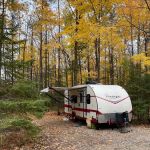 Fish Creek Campground4.0 (161 reviews)
 Old Mill Stream Campground4.0 (427 reviews)
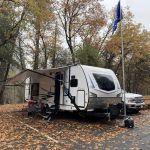 Brandy Creek Campground4.0 (87 reviews)
 10 Must-Visit Campgrounds in the Midwest for Your Next Outdoor Adventure
 Romantic Camping Spots for Couples: Perfect Getaways in Nature
 Ultimate Guide to Off the Grid Camping in Remote Locations
 How to Cook Over a Campfire Safely for an Enjoyable Outdoor Experience
 Vanlife in Winter: My Personal Experience Living on the Road
 From City to Camp: My Journey to Nature and What I Learned