
- why-hydration-matters-on-us-backpacking-trails
- choosing-between-water-bottles-and-reservoirs
- key-features-to-look-for-in-backpacking-hydration-gear
- hydration-strategies-for-different-terrains
- real-hiker-insights-and-lessons-learned
- find-your-gear-at-camping-rural
1. Why Hydration Matters on U.S. Backpacking Trails
Backpacking across the United States—from the high desert of Utah to the Appalachian wilderness—requires more than endurance and good boots. Hydration is a non-negotiable factor. On longer treks, dehydration can sneak up quickly, affecting everything from your stamina to your decision-making. The right water system can quite literally determine whether your hike is a joyful challenge or a dangerous mistake.
In hot, arid environments like Arizona’s Grand Canyon or the Mojave Desert, hikers can lose more than a liter of sweat per hour. On the flip side, in cooler alpine zones like the Pacific Northwest, many underestimate their hydration needs. Simply put, having the right backpacking water bottles or hydration reservoirs—and knowing how to use them—can save your trip, or even your life.
2. Choosing Between Water Bottles and Reservoirs
2.1 The Case for Traditional Water Bottles
Standard water bottles—whether stainless steel or BPA-free plastic—are favored by many hikers for their durability and ease of use. They’re easy to clean, versatile, and ideal for day hikes or shorter multi-day trips where access to water sources is predictable. Brands like Nalgene and Hydro Flask remain staples in the backpacking world for a reason.
However, they can become cumbersome when frequent hydration is needed. Stopping to dig into your side pockets or remove your pack becomes tedious, especially on tough elevation climbs.
2.2 The Appeal of Hydration Reservoirs
For those hiking 10+ miles a day or trekking through rugged terrain, hydration reservoirs (or bladders) offer hands-free convenience. Systems like the 2L or 3L CamelBak let you sip without stopping, thanks to flexible tubing and bite valves. They're especially valuable in warm climates where continuous sipping is vital to prevent overheating.
That said, reservoirs can be harder to refill and clean in the field, and if they leak, it’s usually inside your pack. Understanding your trail conditions and personal preference will help you make the best call.
3. Key Features to Look for in Backpacking Hydration Gear
3.1 Capacity Matters
A general rule? You need about half a liter of water per hour of moderate hiking in temperate conditions. That means a 10-mile hike could require at least 2–3 liters, more if it’s hot or the elevation is steep. Choosing gear with sufficient volume is essential, but be realistic—extra water means extra weight.
3.2 Durability and Leak Protection
When miles from civilization, the last thing you want is a split bottle or torn bladder. Look for reinforced seams, wide-mouth caps that seal tightly, and materials that resist puncture. Test new gear at home or on short trips before you trust it on a long trek.
3.3 Compatibility with Your Pack
Not all hiking backpacks accommodate reservoirs equally. Many modern packs feature built-in sleeves and hose ports—but older models may require modifications. Water bottles, on the other hand, fit easily in side pockets, but make sure they’re secure and accessible.
4. Hydration Strategies for Different Terrains
4.1 Arid and Desert Conditions
In dry regions like Utah’s Zion National Park or California’s Joshua Tree, water sources are sparse. Plan to carry your entire water supply for the day, and consider adding electrolyte tablets to offset sweat loss. Use a combination of reservoir and backup bottle to ensure you stay covered in case of leaks or loss.
4.2 Mountain and Alpine Environments
In places like the Rockies or Sierra Nevada, streams and glacial runoff are common. Carry a filter or UV purifier and refill when you can. Because temps can drop, insulated bottles prevent freezing and keep liquids drinkable longer than bladders.
4.3 Humid Forests and Wet Trails
The Appalachian Trail, especially in the Southeast, offers frequent water sources but high humidity. You’ll sweat more than you expect, so aim for consistent sipping using a reservoir. Also, practice good hygiene with mouthpieces to avoid mold growth.
5. Real Hiker Insights and Lessons Learned
Mike, a seasoned thru-hiker who completed the Pacific Crest Trail, recalls relying too heavily on water bottles during a heatwave in California. “I was stopping constantly, just to drink. Eventually, I switched to a reservoir mid-hike, and it was a game-changer.” He added that knowing when to combine both was the ultimate strategy—bottles for backup, bladders for flow.
Meanwhile, Sarah, who leads guided hikes in the Smokies, emphasizes the importance of trial and error. “On group hikes, I always recommend testing your setup on local trails. Blisters, broken caps, or weird-tasting plastic can really ruin morale at mile 12.”
6. Find Your Gear at Camping Rural
Choosing the right hydration gear is deeply personal—but guidance helps. That’s why Camping Rural offers curated selections of the most reliable backpacking water bottles and reservoirs for all skill levels. Whether you’re prepping for a weekend hike in Shenandoah or a multi-week trek on the CDT, we help match gear to your trail, terrain, and hydration style.
Not sure whether a bottle or reservoir is right for you? Our team of hikers and gear testers can help you make confident, informed choices—so the only thing you’ll need to worry about on the trail is enjoying the view.
 Royal Palms4.0 (102 reviews)
 RC'S Campground & Quick Stop4.0 (4 reviews)
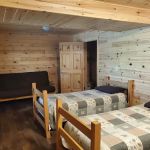 Jester Park cabins4.0 (8 reviews)
 Country3.0 (2 reviews)
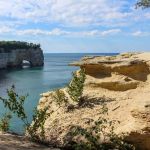 Chapel Beach Campground4.0 (27 reviews)
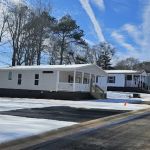 Cedar Village Manufactured Housing4.0 (133 reviews)
 10 Must-Visit Campgrounds in the Midwest for Your Next Outdoor Adventure
 Romantic Camping Spots for Couples: Perfect Getaways in Nature
 Ultimate Guide to Off the Grid Camping in Remote Locations
 How to Cook Over a Campfire Safely for an Enjoyable Outdoor Experience
 Vanlife in Winter: My Personal Experience Living on the Road
 From City to Camp: My Journey to Nature and What I Learned