
- understanding-generator-size-for-rv-camping - Why generator sizing matters for RV campers
- how-to-calculate-your-rv-power-needs - Estimating wattage and appliance requirements
- different-types-of-rv-generators - Comparing inverter, portable, and built-in options
- real-world-examples-and-case-studies - How RV owners choose the right generator
- important-features-to-consider - Noise level, fuel efficiency, and convenience
- maintenance-and-safety-tips-for-camping - Keeping your generator safe and long-lasting
- where-to-find-the-best-rv-generators - Trusted recommendations from Camping Rural
1. Understanding Generator Size for RV Camping
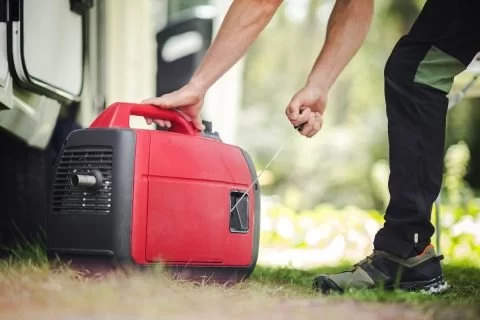
When planning your next road adventure, choosing the right generator is as essential as packing your sleeping bag. Many campers underestimate how much power their RV appliances need, which leads to frustration and unexpected blackouts. The Guide to Choosing the Right Size Generator for Your RV Camping Needs isn’t just about wattage — it’s about ensuring convenience, comfort, and peace of mind during your travels.
A properly sized generator allows you to power essential systems like air conditioning, lighting, refrigerators, and entertainment devices without overload. Going too small can limit your comfort, while choosing one that’s too large wastes fuel and space. The key is balance — finding the right fit for your specific camping lifestyle.
2. How to Calculate Your RV Power Needs
Before buying a generator, you’ll need to calculate how much power your RV uses. Start by listing all the appliances you intend to run — refrigerator, microwave, coffee maker, air conditioner, and smaller devices like phone chargers or laptops.
2.1 Understanding Wattage
Each appliance has two power ratings: running watts (continuous use) and starting watts (extra power needed to start the device). For example, an RV air conditioner might need 2,000 running watts but 3,500 starting watts. Summing up these requirements helps you estimate the total generator capacity you’ll need.
2.2 Example Calculation
Imagine your setup includes a 13,500 BTU air conditioner, a microwave, and a few LED lights. The air conditioner alone could consume nearly 3,000 watts at startup, while the microwave adds 1,000 watts. This means a generator rated at around 4,000 to 5,000 watts would be ideal for uninterrupted operation.
It’s also wise to leave a 15–20% margin to avoid running your generator at full load continuously, which can shorten its lifespan.
3. Different Types of RV Generators
Generators for RV camping come in several styles, each offering distinct benefits. Knowing their differences helps you make an informed choice that aligns with your needs and budget.
3.1 Portable Generators
These are the most versatile and budget-friendly options. Portable generators can be moved easily and used for other purposes beyond camping, such as home backup power. However, they may be noisier than built-in units unless you opt for an inverter model.
3.2 Inverter Generators
Inverter generators are the preferred choice for RV enthusiasts who value quiet operation and fuel efficiency. They provide stable electricity suitable for sensitive electronics like laptops and mobile devices. Although more expensive upfront, their performance and reliability make them a worthy investment for frequent campers.
3.3 Built-in Generators
For luxury RVs, built-in generators offer seamless integration and automatic start-up features. They’re convenient but typically more costly and require professional installation. They’re a perfect option for long-term travelers who prioritize comfort and reliability.
4. Real-World Examples and Case Studies
Consider the story of Greg and Laura, a couple who travel full-time across the Southwest. Initially, they purchased a 2,000-watt generator to save money, but it struggled to power their air conditioner on hot desert days. After upgrading to a 4,500-watt inverter generator, they not only gained smoother performance but also reduced fuel usage thanks to its variable engine speed. “It’s the best decision we made for our RV lifestyle,” Laura shared.
Another camper, Mike from Colorado, shared how a dual-fuel generator gave him flexibility during winter trips. “When propane ran low, I switched to gasoline and never missed a warm night,” he said. These examples highlight how real-life experience can guide smarter generator choices.
5. Important Features to Consider
Beyond size and wattage, the following features can make or break your camping experience:
5.1 Noise Level
A quiet generator ensures peaceful evenings at the campsite. Models with noise ratings below 60 decibels are ideal for most RV parks and national campgrounds.
5.2 Fuel Efficiency
Choose a generator with eco-throttle or economy mode settings to optimize fuel use. Inverter models typically provide the best performance in this regard, running longer on smaller fuel tanks.
5.3 Portability and Weight
If you move frequently between campsites, portability is key. Look for generators with built-in handles or wheels to simplify setup and transport.
6. Maintenance and Safety Tips for Camping
Maintaining your generator ensures reliable performance and safety. Always operate it outdoors with proper ventilation to avoid carbon monoxide buildup. Regularly check oil levels, clean filters, and inspect fuel lines for wear. Store your generator securely when not in use, and never run it in enclosed RV storage compartments.
Seasonal maintenance, such as draining old fuel or replacing spark plugs, can extend the life of your investment significantly. Treat your generator like any other essential camping tool — with care and attention.
7. Where to Find the Best RV Generators
Finding the perfect generator can feel overwhelming, but that’s where Camping Rural comes in. Our platform helps RV owners discover the most reliable and affordable power solutions for their specific camping styles. From compact inverter models for weekend getaways to heavy-duty built-in generators for long hauls, we’ve reviewed and compared top-rated options based on performance, fuel type, and budget.
Choosing the right generator isn’t just a technical decision — it’s about enhancing your outdoor experience. With the right setup, you can enjoy all the comforts of home while embracing the freedom of the open road. Visit Camping Rural today to explore expert recommendations and make your next RV adventure truly self-sufficient.


 CLEAR CREEK (MS) (recgovnpsdata)4.0 (69 reviews)
 Wonderfield Farm & Retreat4.0 (35 reviews)
 Ararat River Campground4.0 (21 reviews)
 Besos Ranch RV Park4.0 (22 reviews)
 Ghost Hill Campground3.0 (87 reviews)
 Rolling Oaks Mobile Home Park and Mini Storage3.0 (27 reviews)
 10 Must-Visit Campgrounds in the Midwest for Your Next Outdoor Adventure
 Romantic Camping Spots for Couples: Perfect Getaways in Nature
 Ultimate Guide to Off the Grid Camping in Remote Locations
 How to Cook Over a Campfire Safely for an Enjoyable Outdoor Experience
 Vanlife in Winter: My Personal Experience Living on the Road
 From City to Camp: My Journey to Nature and What I Learned